
Etiquetado: 2024 Skoda Kodiaq, 2024 Škoda Kodiaq II, Škoda, Škoda Kodiaq II (2023)
- Este debate tiene 129 respuestas, 20 mensajes y ha sido actualizado por última vez el hace 1 semana, 5 días por
Tubobe.
-
Presentado oficialmente el Škoda Kodiaq (2023)
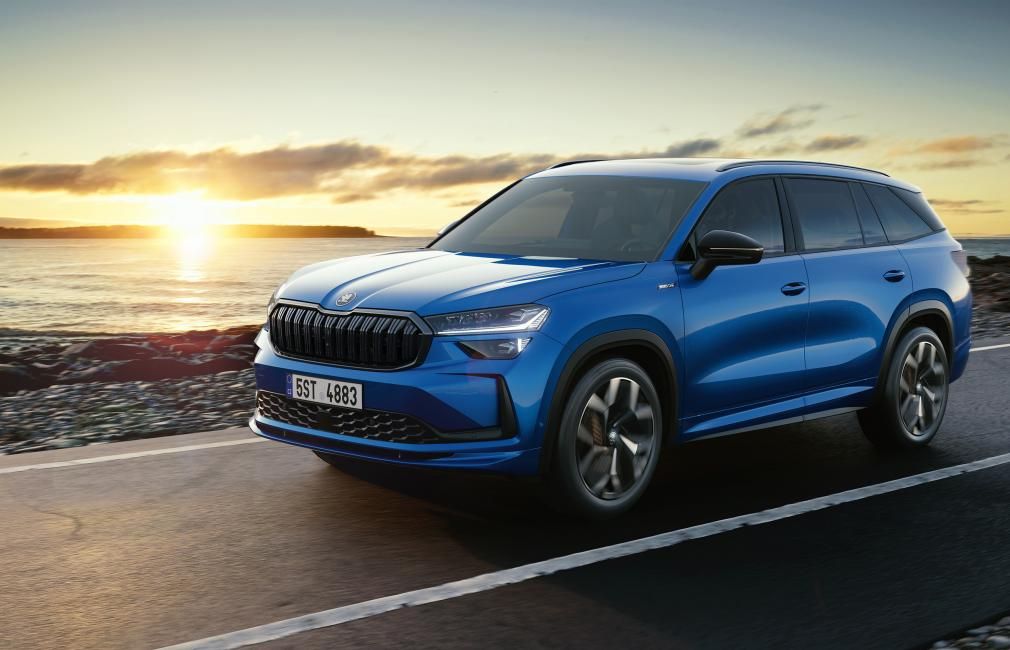
–
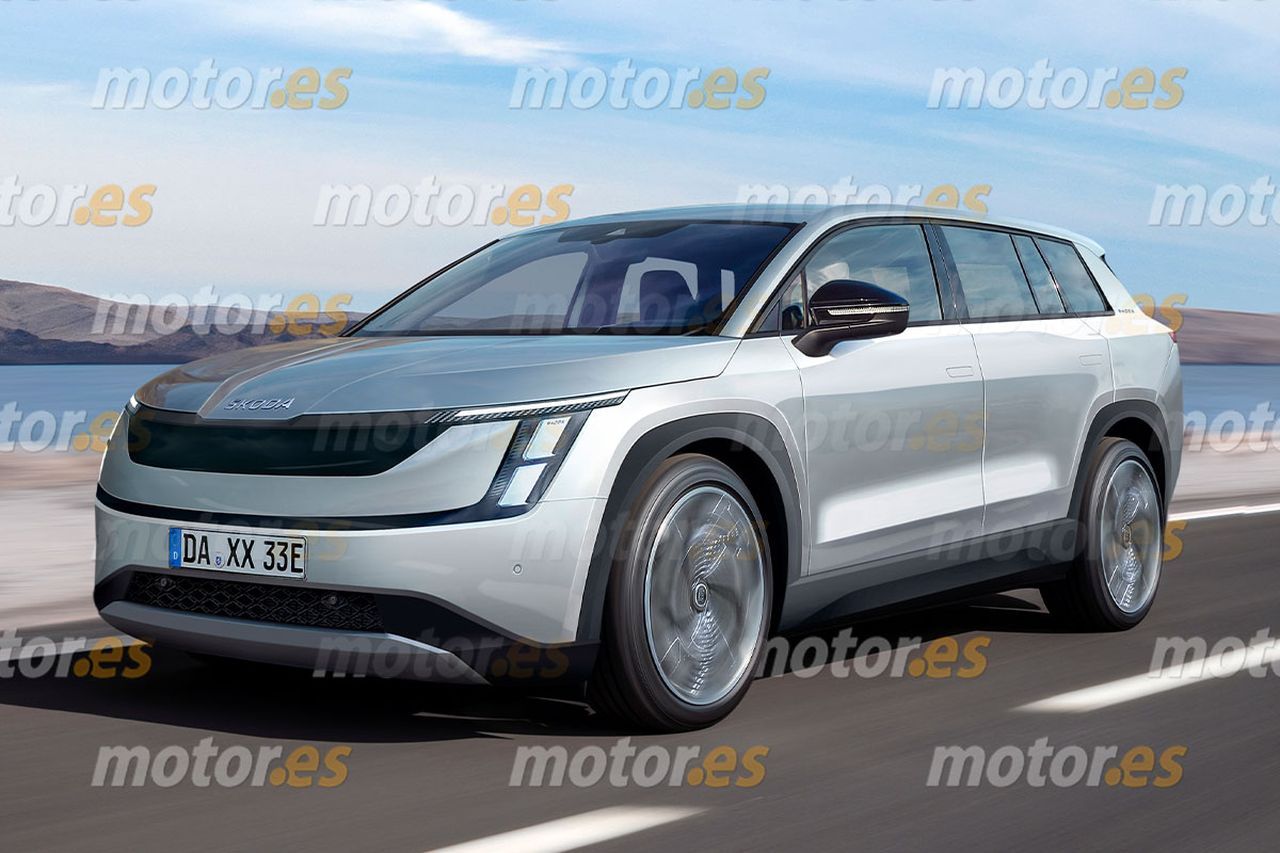
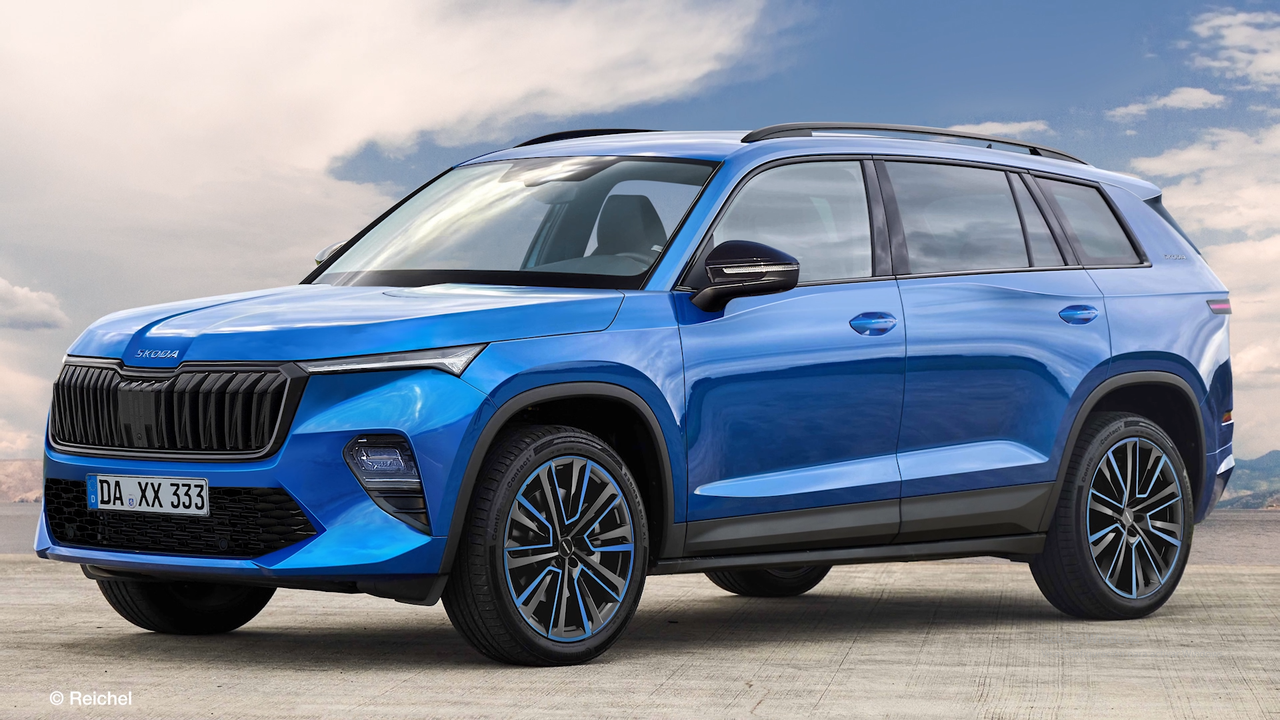
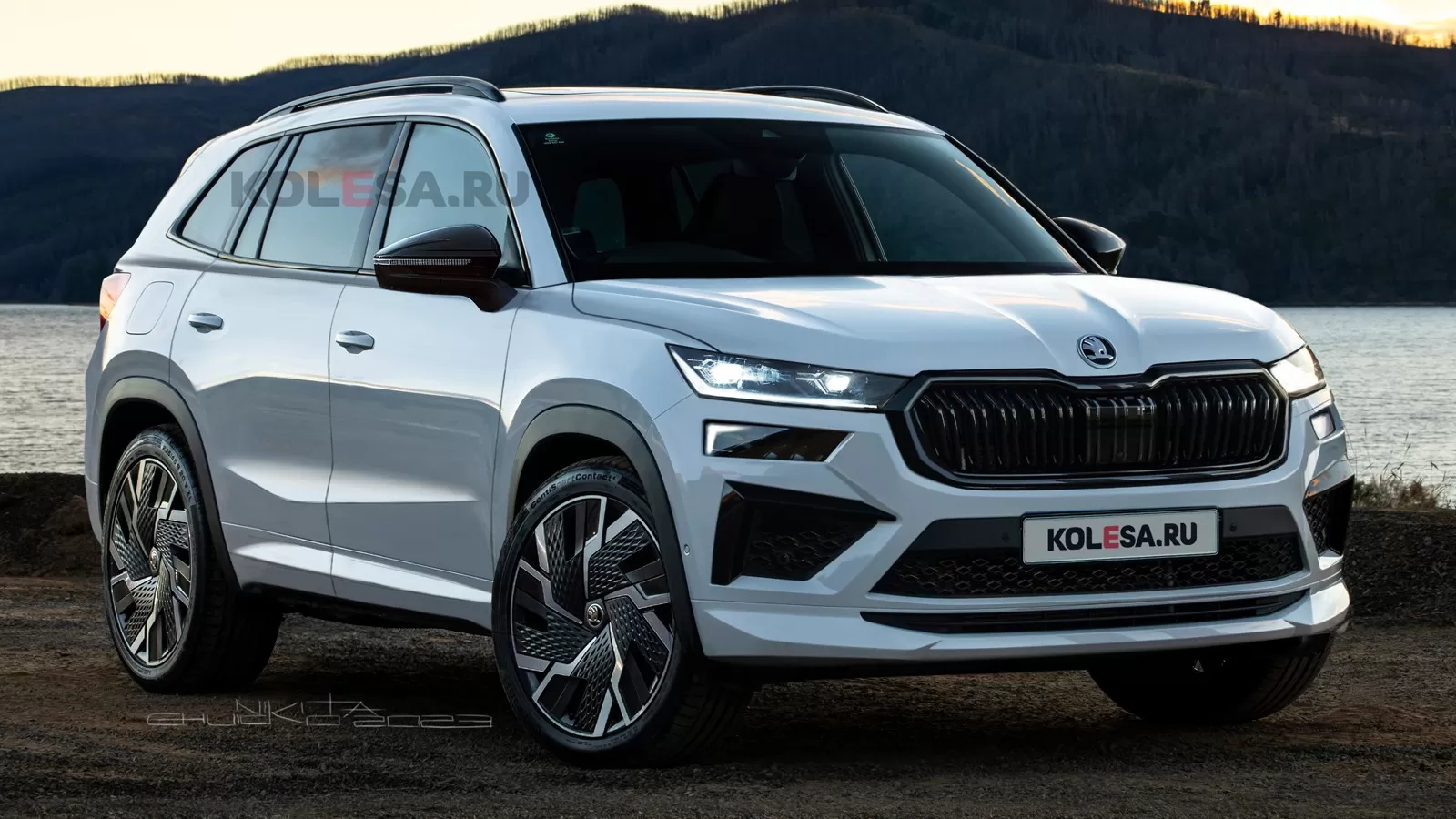
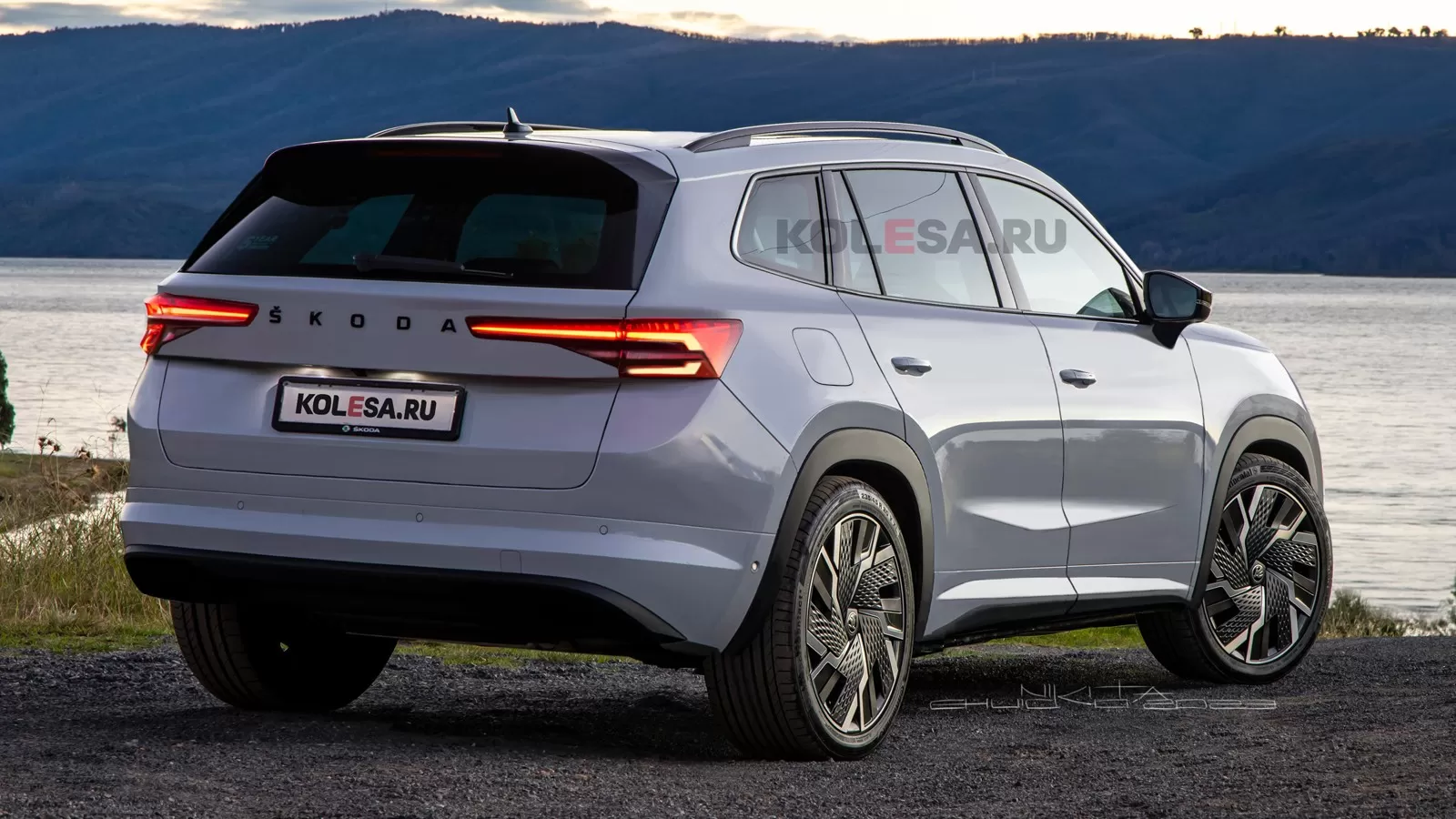
Primer render de la segunda generación del Kodiaq
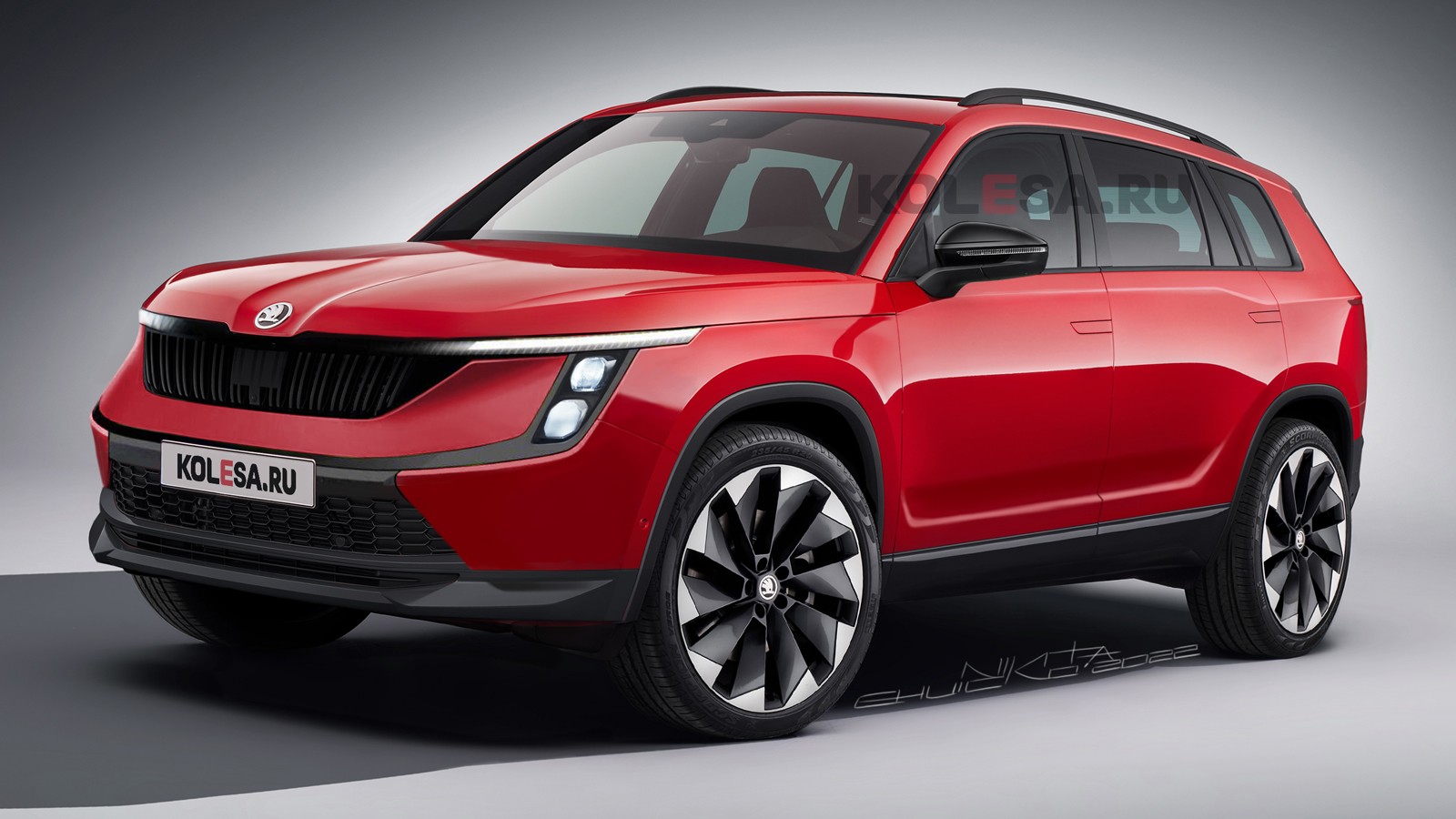
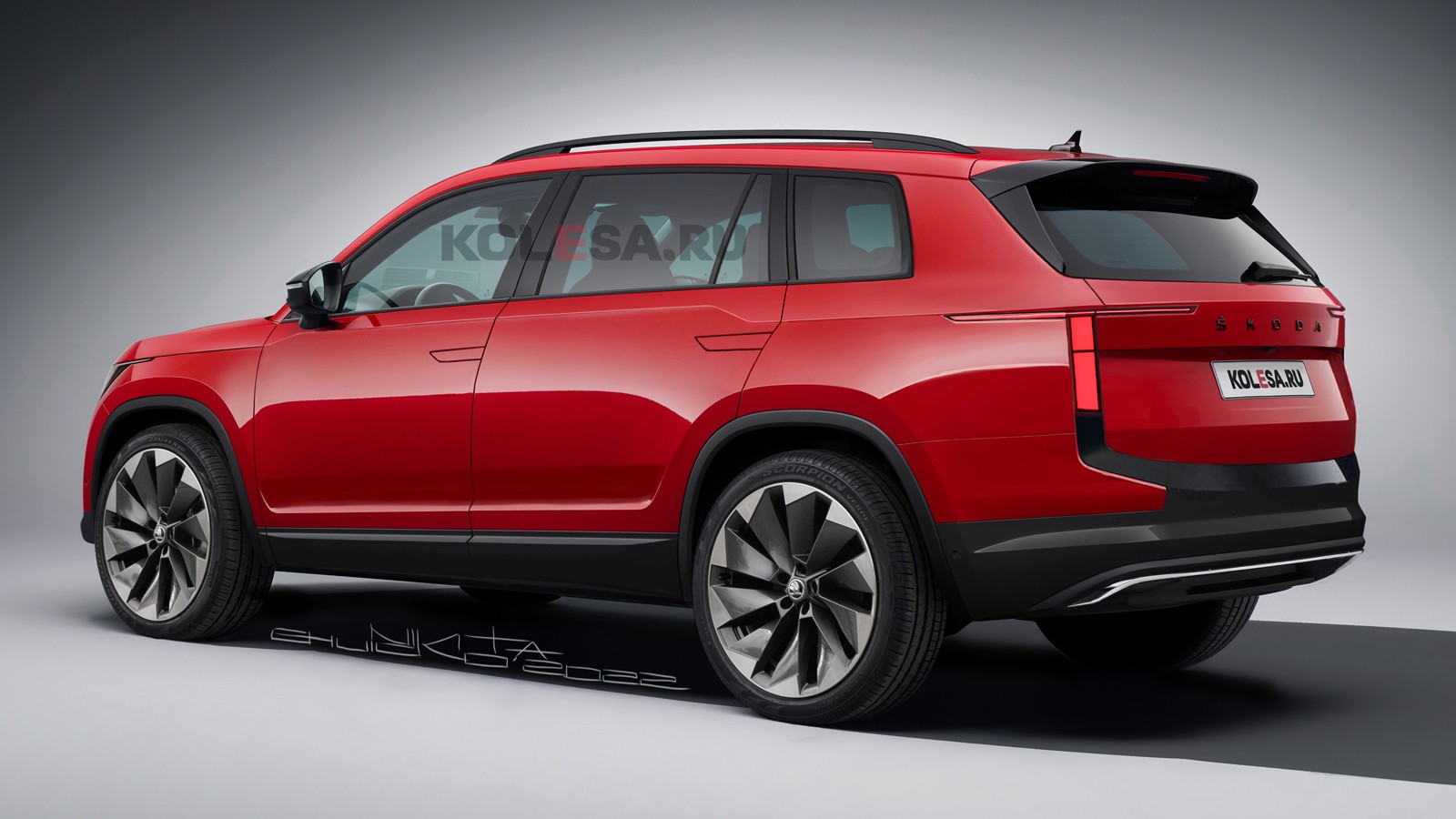
Fuente: Kolesa
Tiene un qué de volvo en la parte delantera y un poco de Land Rover en la parte trasera, pero se ve muy bien si el modelo de producción es así.
Es totalmente range rover esa trasera.
Yo me esperaria a ver el concept 7s que tienen en camino que estrena la futura linea y que seguramente sea la antesala del kodiaq
Me extraña que kolesa se haya adelantado con estoPrimeras fotos de la mula.
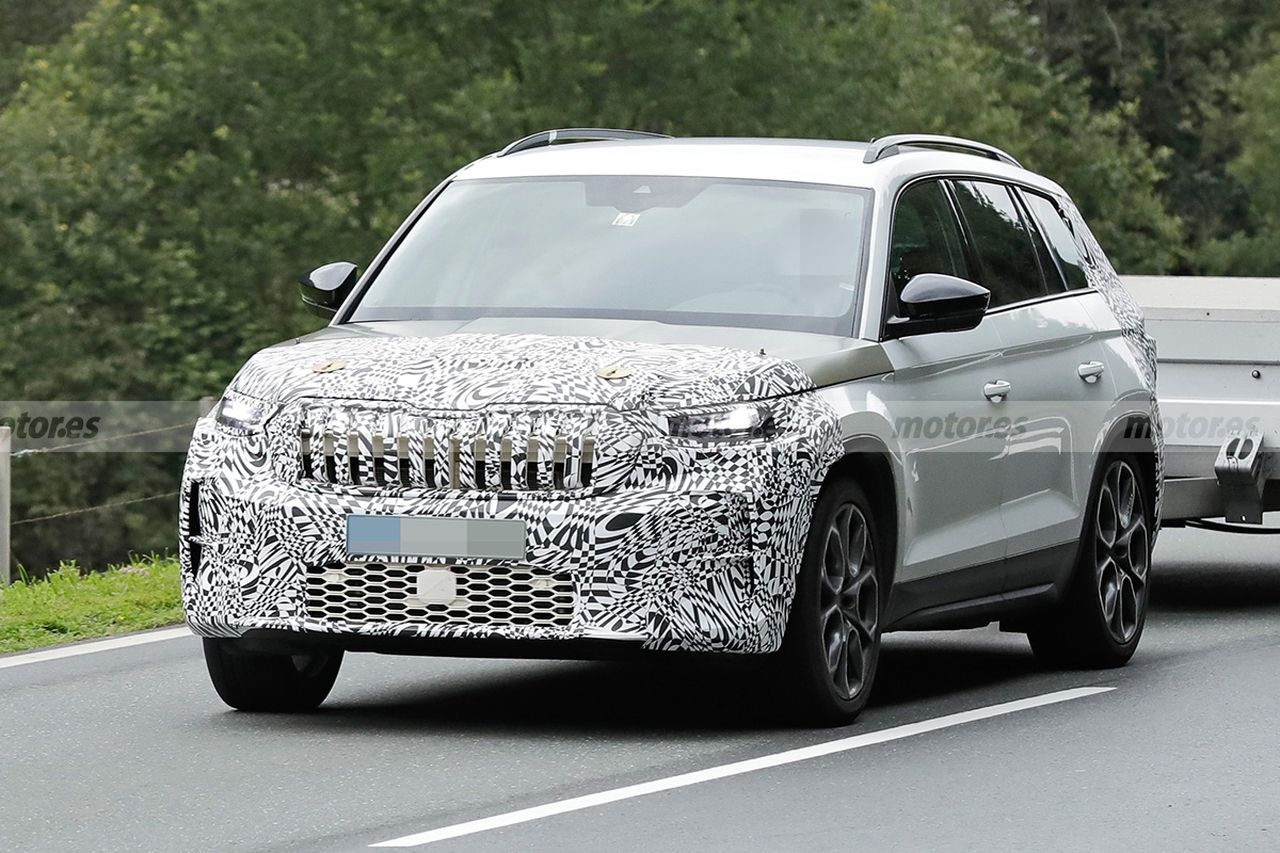
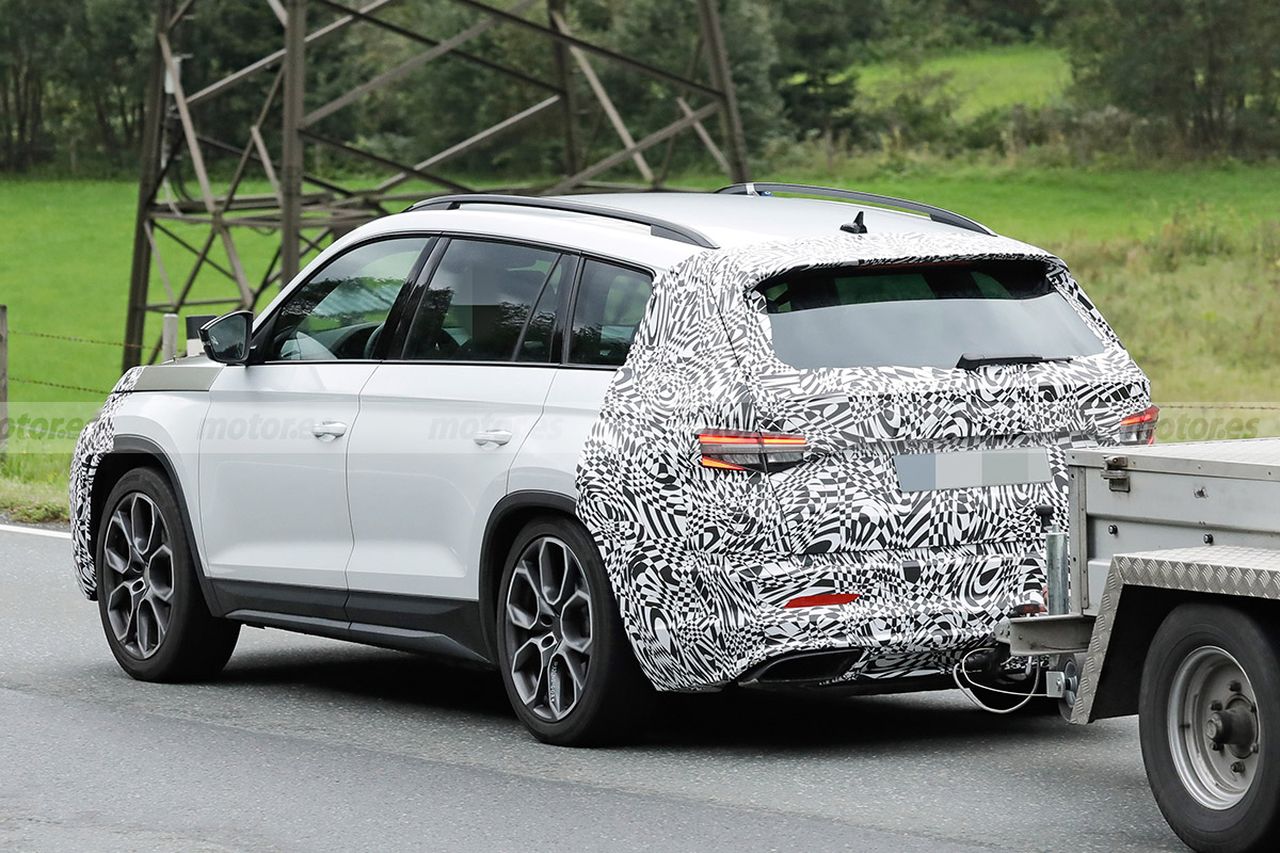
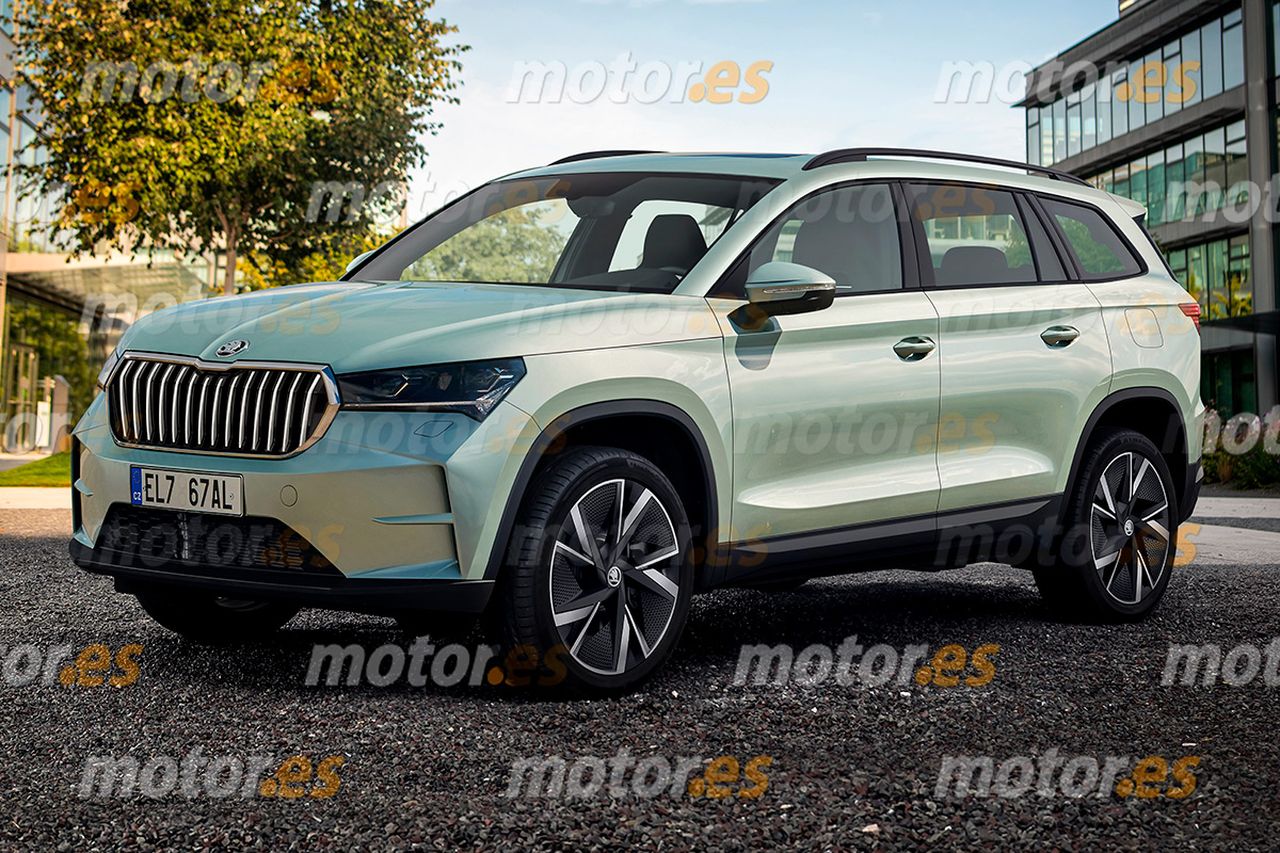
Más fotos y fuente: https://www.motor.es/noticias/skoda-kodiaq-2024-fotos-espia-202289793.html
Soy solo yo, o esta parrilla con el logo en el capó un poco más abajo tiene qué de Kia y su Tiger Nose?
Desde que sacaron el concept con la nueva línea de diseño pienso exactamente lo mismo.
Son clavados a los kiaOh, entonces no soy solo yo, no creo que ayude que los faros sean más verticales en este nuevo lenguaje de diseño de Skoda, cosa que Kia está implementando actualmente en su línea en sus últimos lanzamientos.
Pensemos que el render del azul podría ser lo que te llega de aliexpress de este

Primeras fotos con la carrocería definitiva.
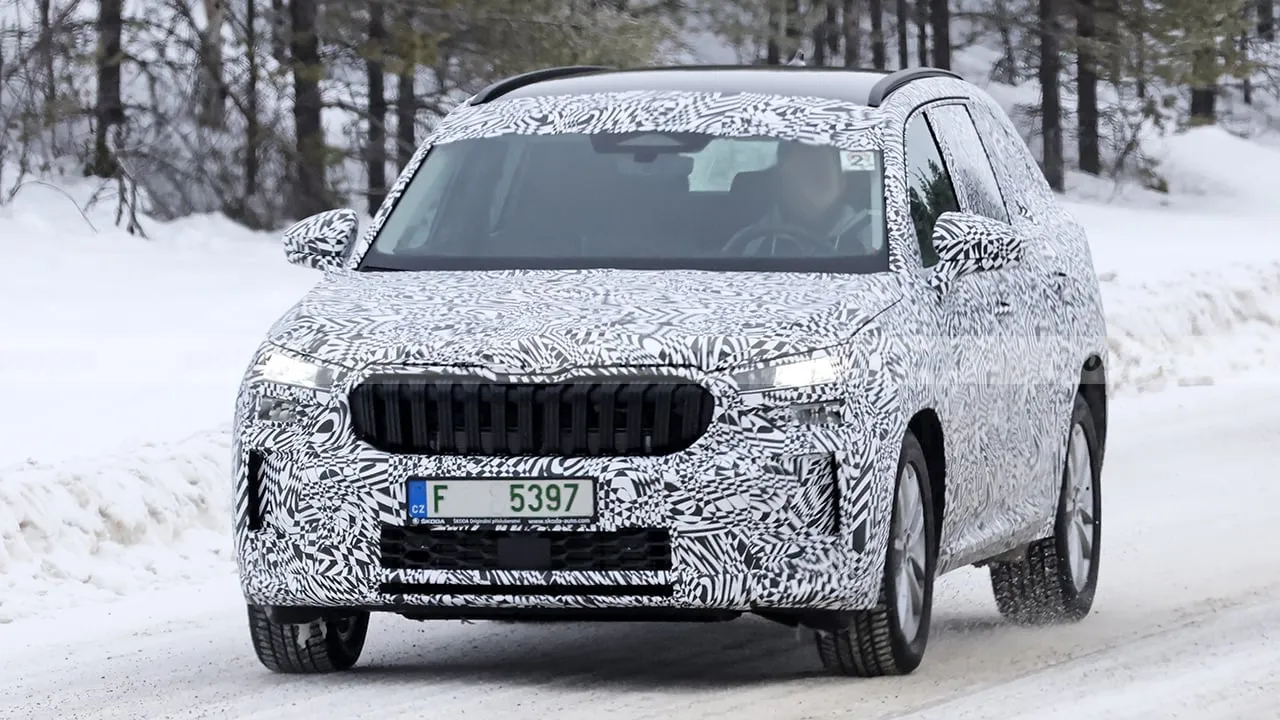

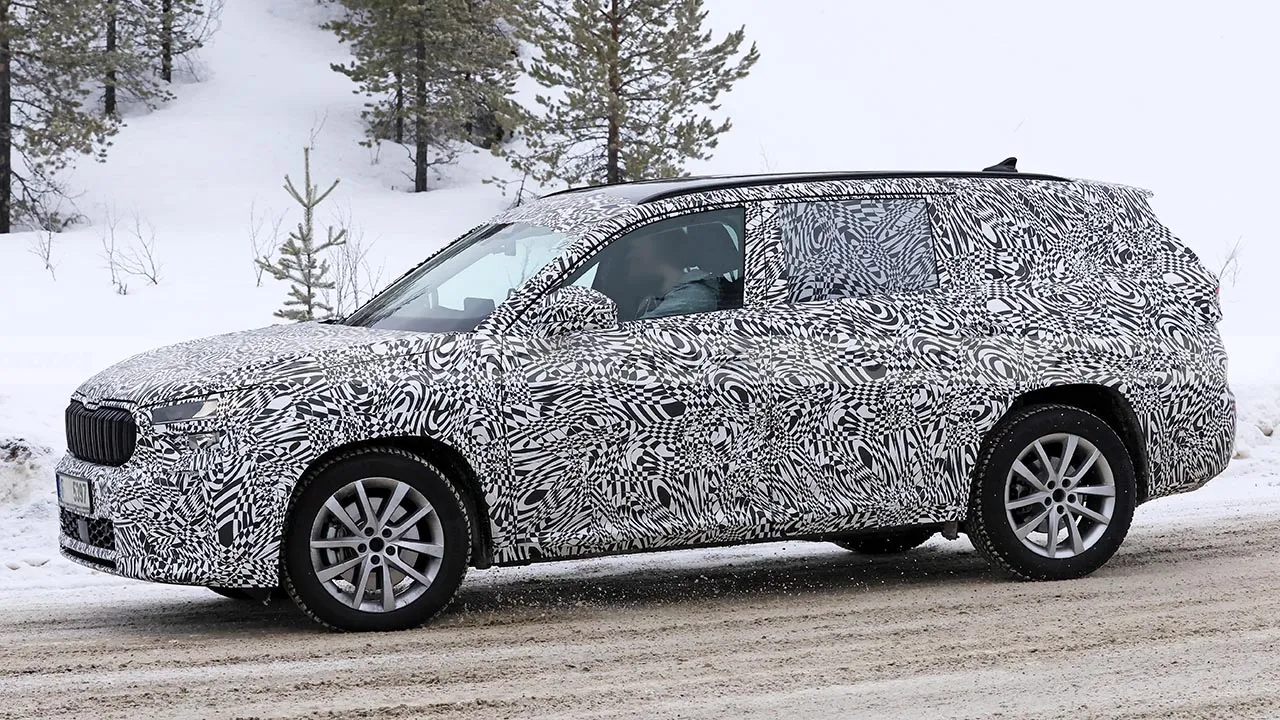
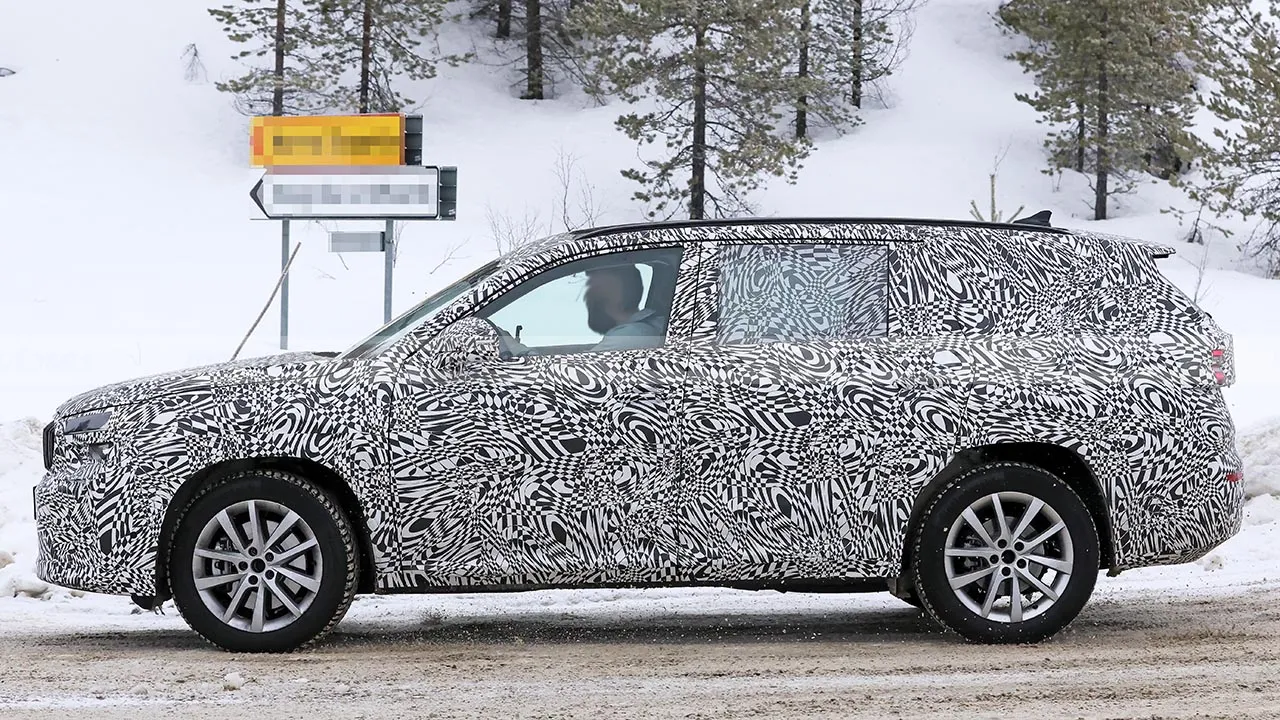
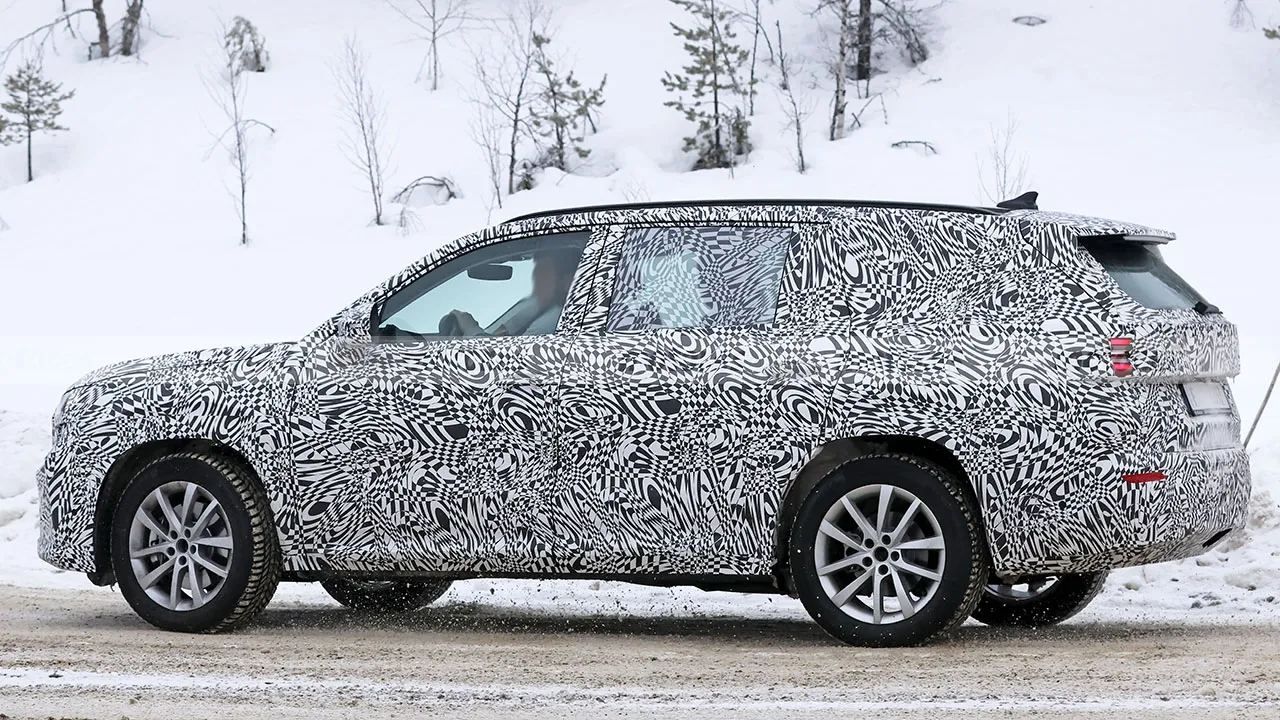
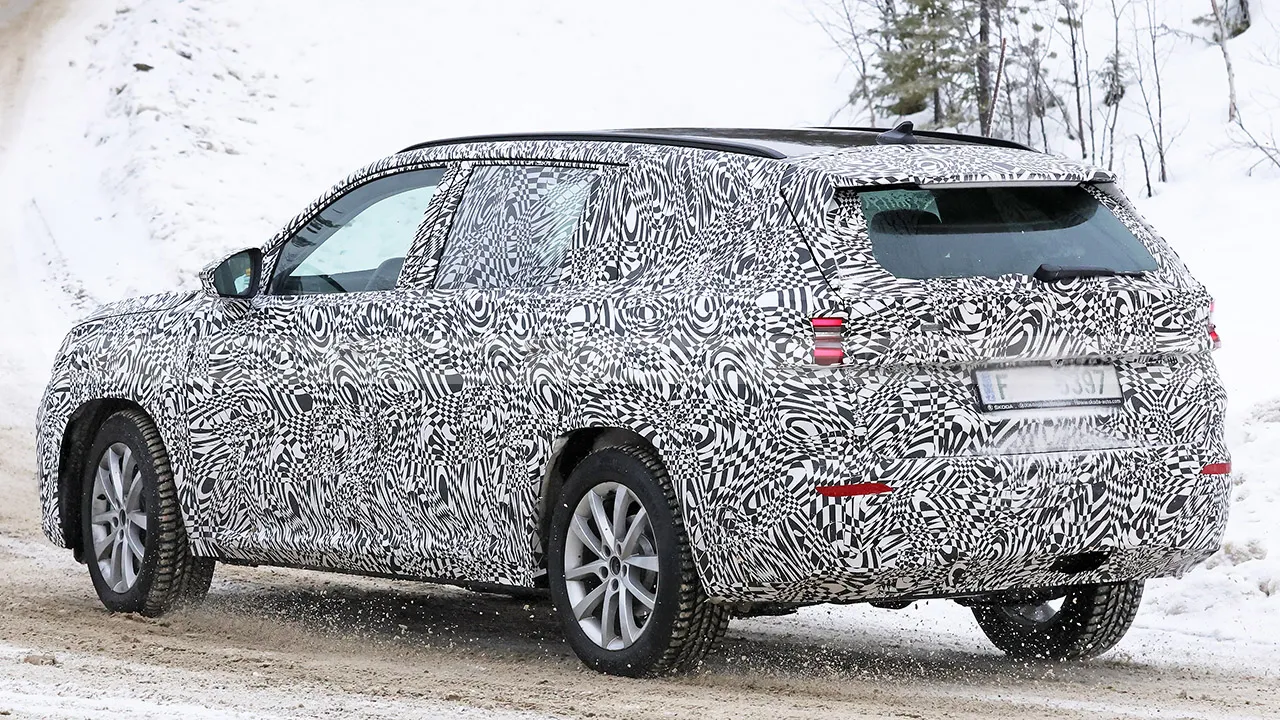
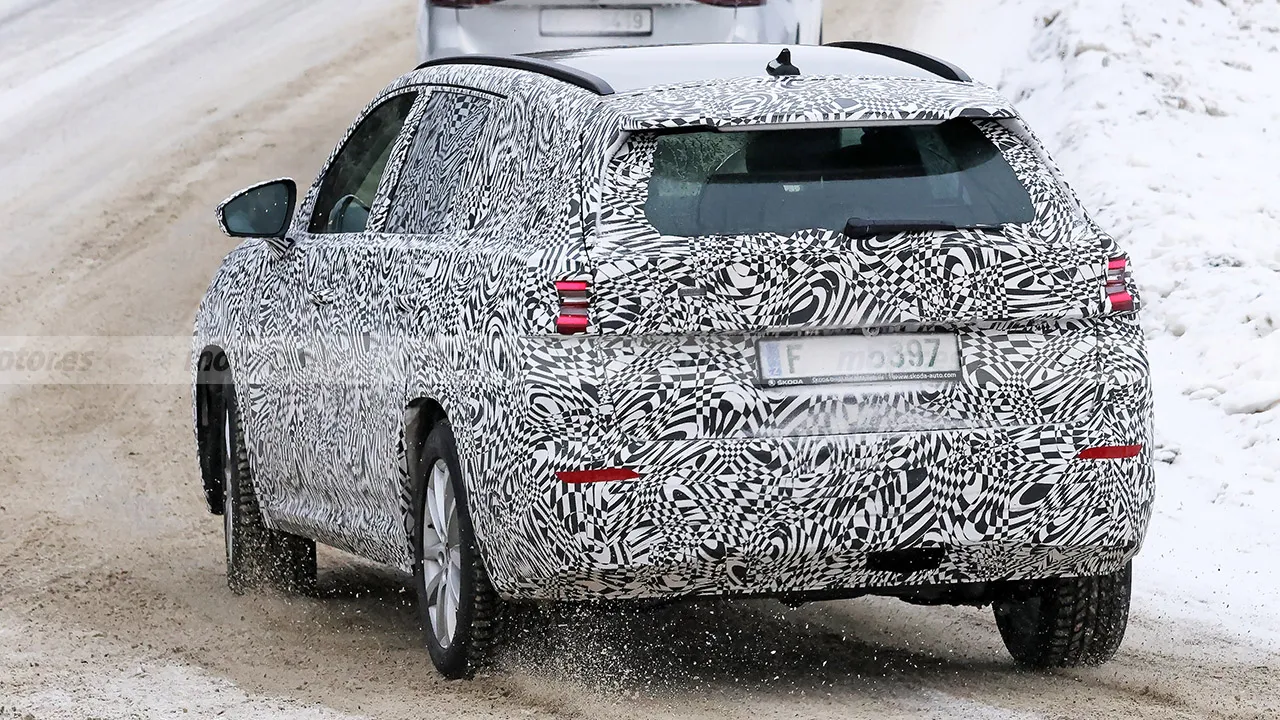
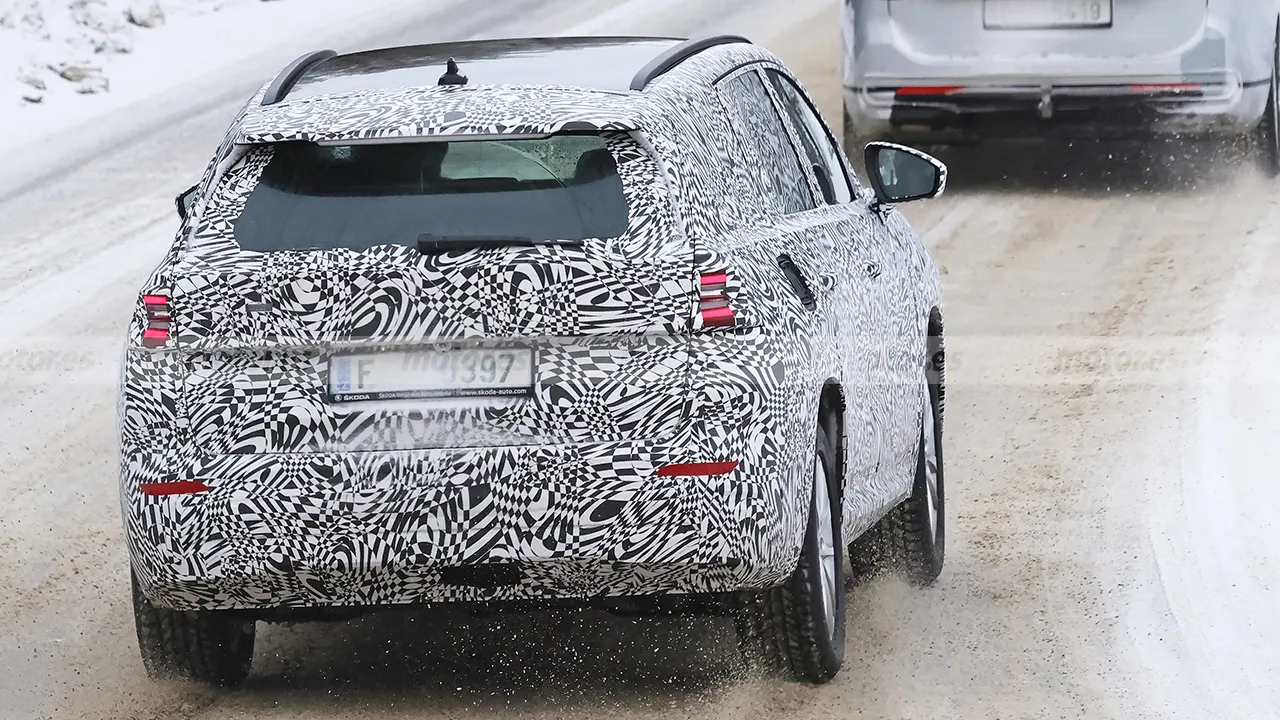
Fuente: https://www.motor.es/noticias/skoda-kodiaq-2024-fotos-pruebas-invierno-202393082.html
Nuevas fotos.
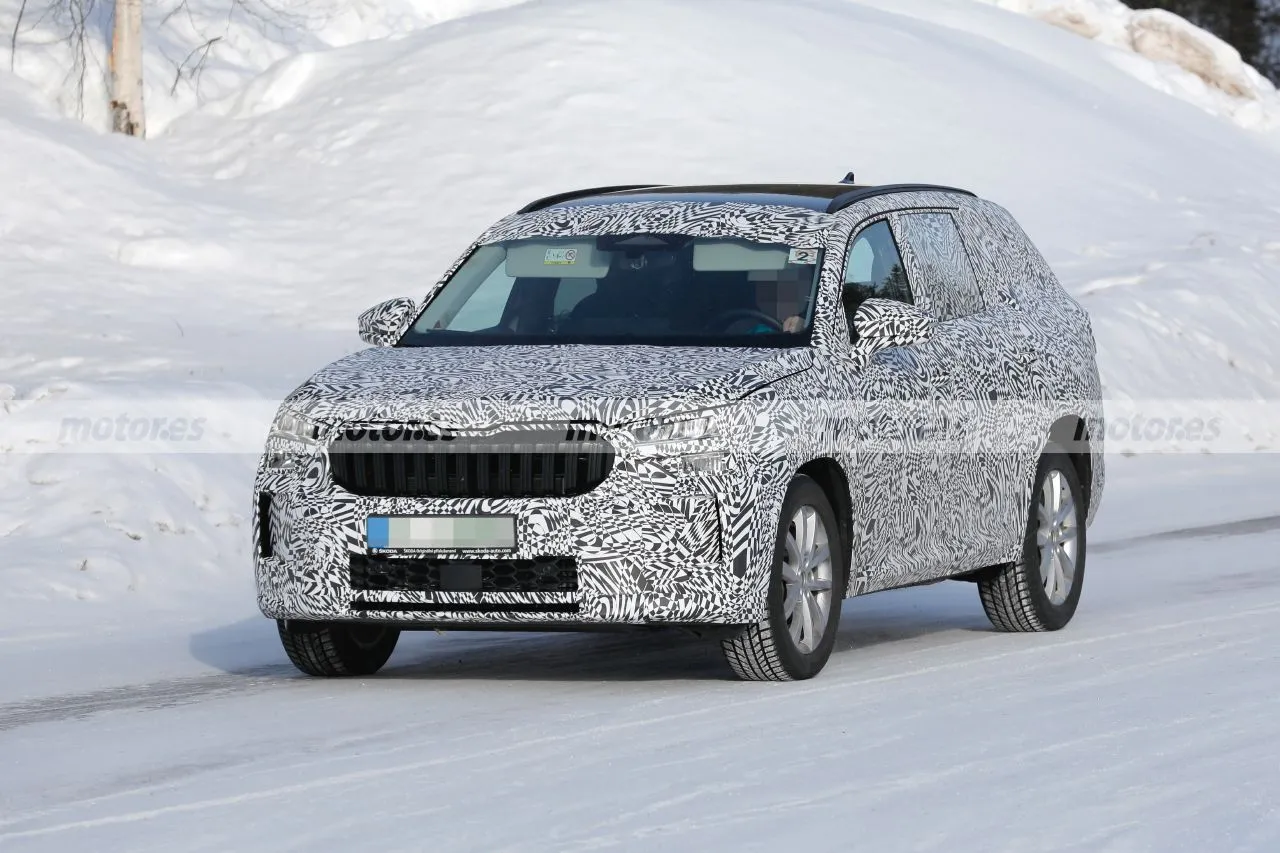
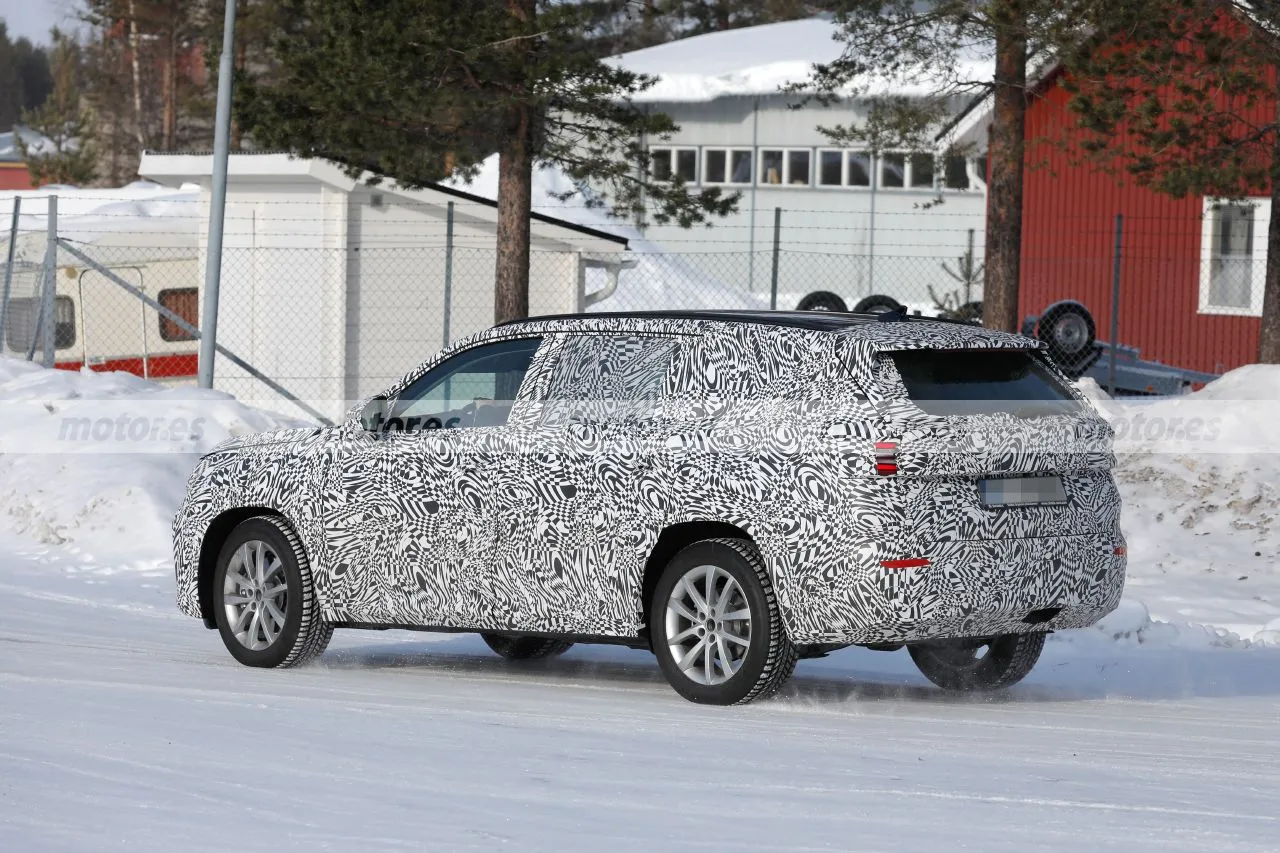
Más fotos y fuente: https://www.motor.es/noticias/skoda-kodiaq-2024-prototipo-fotos-espia-202393634.html
Škoda confirma que presentará el Kodiaq en la segunda mitad del 2023.
Fuente: Škoda
Teaser.
Se estrena en Otoño con motores gasolina, diesel, PHEV y MHEV.

Fuente: Skoda
Con ese concept que salió, parecía que iban a cambiar totalmente el lenguaje de diseño. Al final es lo mismo de siempre.
Supongo que el nuevo lenguaje lo dejarán para la siguiente generación. El rediseño es anterior a la nueva imagen
Nota de prensa, en inglés
New generations of Kodiaq and Superb successfully complete super-cold testing in the Arctic Circle
› Hardware and software endure tests in extremely cold conditions
› Most important findings are immediately incorporated into the further development of the vehicles
› New Kodiaq and Superb will have their world premieres in autumn 2023Mladá Boleslav, 11 May 2023 – The new generations of Škoda’s Superb and Kodiaq models have successfully passed intensive cold testing in the Arctic Circle. The vehicles’ functions, quality and durability were assessed in temperatures as low as minus 30 degrees Celsius. The main focus of these tests was on driving stability, passenger comfort in icy conditions and overall reliability during long winter journeys. In addition, the vehicles had to withstand the extra weight of ice and snow. With the extreme-cold trials completed, testing of the new models now enters the final phase. The new Superb and the second-generation Kodiaq will have their world premieres in autumn 2023.
“Real-world testing in the toughest possible environmental conditions remains a crucial part of new-vehicle development, despite the advances in computer simulation. Our extensive test programmes in desert climates with extremely high temperatures on the one hand and on the other hand in the Arctic Circle ensure that Škoda customers can rely 100 percent on their vehicles in any weather conditions. At the same time, these tests give us the opportunity to identify optimization needs as early as possible and to design the vehicles in the best possible way to meet the requirements of everyday operation.”
Johannes Neft, Škoda Auto Board Member for Technical Development
Comprehensive range of tests covering all vehicle aspects
Intensive test drives in extreme cold conditions are part of the standard programme for new-vehicle development. Škoda Auto regularly conducts such tests in the Arctic Circle, where the fourth-generation Škoda Superb and the second generation of the Kodiaq SUV have now proven that they can cope with any winter challenge. Every part of the test vehicles was scrutinised: chassis, body, engine, heating, and the entire electrical system.Vehicle performance in snowy conditions
To assess the vehicles’ general winter performance, Škoda Auto examines the impact of snow on the bodywork as well as the effects of snow entering the engine compartment and air intakes. All mechanical functions of the vehicle body as well as the electrics must perform flawlessly even at temperatures of minus 25 degrees Celsius, and the engine should start without problems at temperatures close to minus 30 degrees. All doors, the bonnet, and the tailgate as well as the fuel filler cap and the cover of the charging socket on PHEV vehicles must be capable of opening even under such adverse conditions.Tests examining driving behaviour and assistance systems
Numerous aspects of vehicle behaviour are assessed during real-world driving – for example, how well the vehicle copes with slush on the road, or how the front and rear bumpers perform when the vehicle hits a snow barrier. Driving over blocks of ice tests the robustness of the suspension and underbody. The test drivers check how the vehicles behave on icy and snowy roads and how well the assistance systems work. The testers evaluate the cars’ driving dynamics, the performance of the all-wheel drive, if applicable, and the functional characteristics and ride comfort of the suspension. They check whether the transmission shifts faultlessly and whether the windscreen wipers and washers work. The vehicle lighting at night and the acoustic behaviour of frozen vehicle parts are also tested. High-voltage batteries of PHEV vehicles are charged in a frozen state, followed by a determination of the maximum range. To precisely assess the vehicles’ durability in winter conditions, the test drivers cover tens of thousands of kilometres.Testing interior functions
The test programme also looks at many interior functions, for example the performance of the heating system at extremely cold outside temperatures and the level of thermal comfort in the interior. The testers also check whether the windows mist up and how quickly they can be defrosted. Furthermore, they also evaluate whether the heating systems for the seats, the steering wheel, exterior mirrors, windscreen, and rear window perform as expected. Where applicable they also test the optional auxiliary heating. In addition, the drivers check how well the central touchscreen responds when the vehicle’s interior temperature has dropped below zero.La trasera del render me gusta más que el frontal que se queda casi como el actual.








- Regístrate para participar en el debate, puedes iniciar sesión desde el menú superior derecho o registrándote desde el botón "Regístrate" en el final de la página.