
Inicio › Foros › Novedades › Vehículos presentados › Hyundai Ioniq mk1 (2016-2022)
Etiquetado: 2016 Hyundai IONIQ, 2019 Hyundai Ioniq facelift, Hyundai, Hyundai Ioniq (2016-2021), Hyundai IONIQ (2016), Hyundai Ioniq facelift (2020)
- Este debate tiene 78 respuestas, 20 mensajes y ha sido actualizado por última vez el hace 4 años, 4 meses por
 A.P.M..


https://2.bp.blogspot.com/-Rf3xF8nVxCE/VmDGSYPTx1I/AAAAAAABRFg/Z1NZGt1dgIA/s1600/Hyundai-Ioniq-1%2BHybrid.jpg

https://4.bp.blogspot.com/-F21JWRUjO7Y/VmDGSXwtt1I/AAAAAAABRFY/OHhfjDBnKH4/s1600/Hyundai-Ioniq-2%2BHybrid.jpg

https://4.bp.blogspot.com/-uzjtSGClDjI/VmDGS-frrpI/AAAAAAABRFk/QFWvIF89xVQ/s1600/Hyundai-Ioniq-3%2BHybrid.jpg
https://4.bp.blogspot.com/-f7U4mLhvgWs/VmDGTEh_vQI/AAAAAAABRFo/lu6NL2m-rzw/s1600/Hyundai-Ioniq-4%2BHybrid.jpg

https://2.bp.blogspot.com/-dFAWODPBzZs/VmDGTBtC5HI/AAAAAAABRFs/uOHtAe8kiSk/s1600/Hyundai-Ioniq-5%2BHybrid.jpg
https://2.bp.blogspot.com/-BsJY8rAyxn8/VmDGTbLYLJI/AAAAAAABRFw/VNgcnbgjg00/s1600/Hyundai-Ioniq-6%2BHybrid.jpg

https://2.bp.blogspot.com/-dLHA8HWhcs4/VmDGThF8N8I/AAAAAAABRF0/WxRE-iU46-I/s1600/Hyundai-Ioniq-7%2BHybrid.jpg

https://2.bp.blogspot.com/-EmaYzHWFB2s/VmDGTl2yF7I/AAAAAAABRF4/fYSSSnUb22E/s1600/Hyundai-Ioniq-8%2BHybrid.jpg

https://1.bp.blogspot.com/-z8uI7WSNWdk/VmDGT_pvyNI/AAAAAAABRF8/YnZC8nW7Or0/s1600/Hyundai-Ioniq-9%2BHybrid.jpg

https://2.bp.blogspot.com/-cDDhRMwlh20/VmDGSfgt_KI/AAAAAAABRFc/ndu6E–YD9Q/s1600/Hyundai-Ioniq-10%2BHybrid.jpg https://www.carscoops.com/2015/12/spies-get-clear-view-inside-hyundais.html Me gusta el interior más limpio y redondeado que sus hermanos. Totalmente de acuerdo. Es muy agradable a la vista el interior. Ya tenemos nombre: IONIQ
Y teaser

https://4.bp.blogspot.com/-52ISd1AbwTE/VmVWf74uDDI/AAAAAAAAFso/0moJ5SjpGpw/s1600/2017%2BHyundai%2BIONIQ%2Bteaser.jpg Y parece que podrá tener 3 versiones diferentes: electrico puro, hibrido plug-in e hibrido normal
https://www.carscoops.com/2015/12/hyundai-ioniq-teased-will-be-available.html Se descubrió el pastel, lo han cazado rodando un spot
https://www.autoblog.com/2015/12/21/hyundai-ioniq-spy-shots/ No deja de ser curioso lo que se ve en las fotos: hibrido de modelo, ML63 AMG de camara
😀
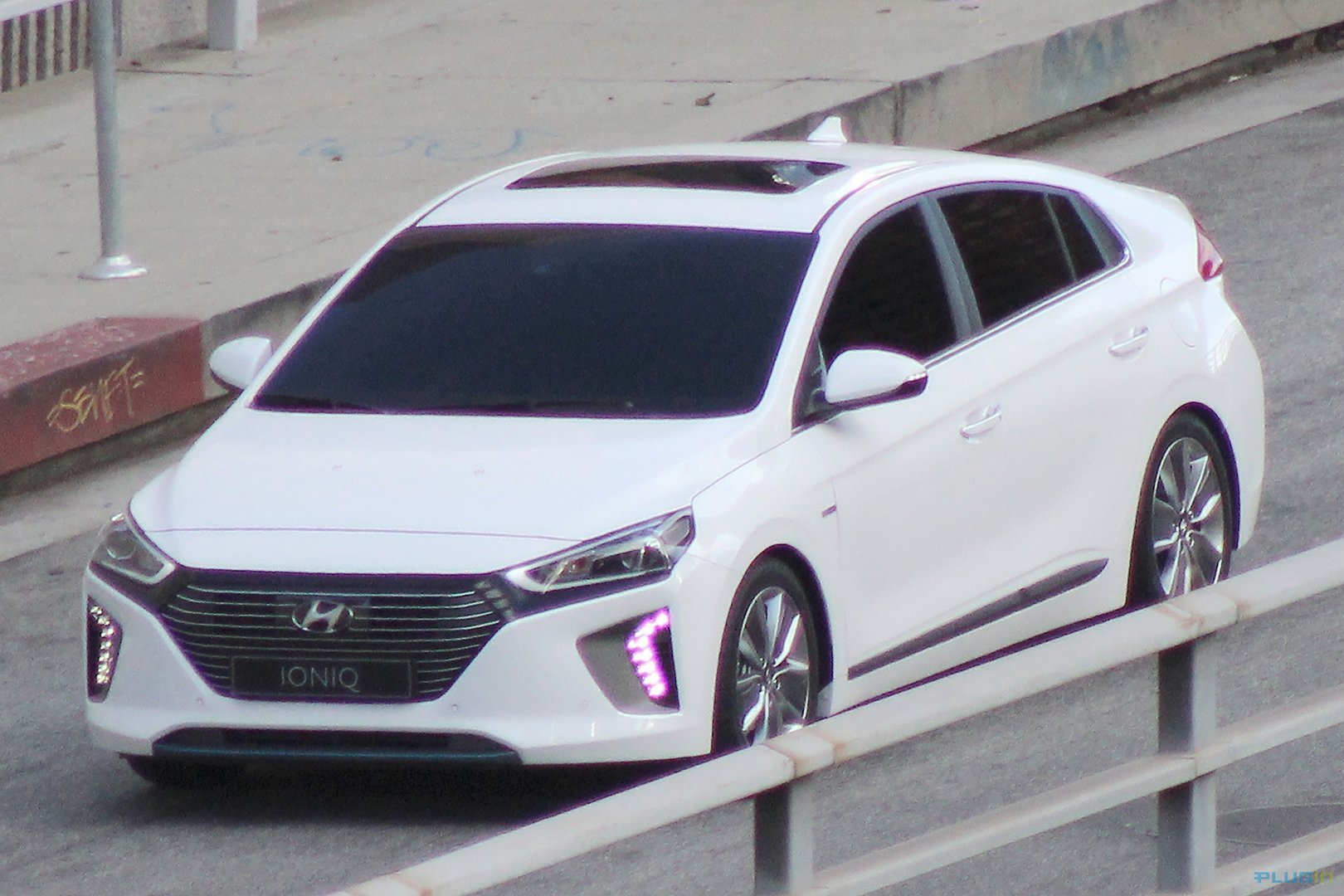
Y la parrilla me recuerda a la del Aston Martin LagondaMuy conseguido estéticamente hablando, mucho mejor que el Volt o Leaf. Por lo que he podido ver, se trata de la versión híbrida sólo. No trae el puerto en la aleta izquierda para cargar. Me gusta, salvo por el frontal que me recuerda al i20, no parece Hyundai. Sinceramente, es el híbrido más logrado. Me gusta lo que se ve por fuera. A ver lo de dentro…
Me quedo con la trasera, sin duda de todas formas el híbrido mejor logrado. Sinceramente, es el híbrido más logrado. Me gusta lo que se ve por fuera.
A ver lo de dentro…
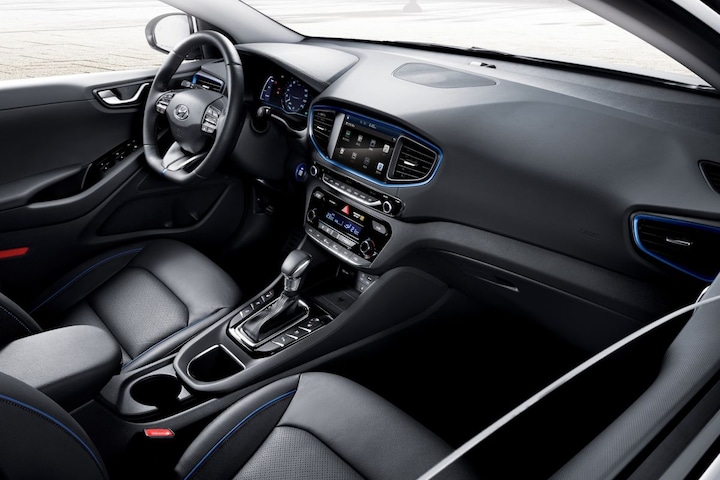
Por dentro super conseguido también, hay fotos espías y un teaser más arriba.
Se hace oficial: CarScoops:http://a.disquscdn.com/uploads/mediaembed/images/3030/433/original.jpg Foto del frontal:

http://a.disquscdn.com/uploads/mediaembed/images/3030/433/original.jpg Cuantísimo ha perdido este proyecto desde sus primeras líneas.. Aunque ha perdido, es muy bonito. Tengo ganas de verlo, tocarlo, y probarlo. Jejeje. No sé si me podré resistir. A ver si dan datos oficiales ya.
Una pena que mi coche tenga 7 meses. Jejeje
Aunque habrá que esperar a que esté tres años en el mercado para analizar posibles fallos-problemas, como cualquier modelo nuevo, y en híbridos, con tanto componente eléctrico, más.
Aunque se ha puesto alguna en espia, abro el hilo. https://www.hyundaipressoffice.co.uk/img/6267/430/0/1363381316568e2d81aa06f.jpg https://www.hyundaipressoffice.co.uk/img/6268/430/0/343949126568e2d83e2dae.jpg Nota de prensa en UK:
[size size=150]
IONIQ: A LEAP FORWARD FOR HYBRID VEHICLES[/size]
Jan 7, 2016Hyundai Motor reveals technical innovations underpinningits evolved hybrid system
Lightweight, high-strength architecture delivers a fun, responsive drive
Next generation drivetrain efficiencies achieve class-leading fuel economy
Electric, plug-in hybrid and hybrid powertrains available in a single body type, a world firstJanuary 7, 2015 – Following its unveiling to domestic media at Hyundai Motor’s Namyang R&D Center in South Korea, details have been confirmed of the IONIQ – the next generation of hybrid vehicles.
Rag Jung, Head of Project Management Division at Hyundai Motor R&D Center said, “IONIQ embodies Hyundai Motor’s new thinking and bold ambitions for the future. This world-class dedicated hybrid will be the starting point of our future mobility.”
Lightweight engineering from a dedicated design
Built on a chassis created specifically to carry the world’s first choice of three efficient and ultra-low emission powertrains, the IONIQ boasts 53% Advanced High Strength Steel combined cleverly with lightweight aluminum. The new model saves 12.6kg (45%) of weight by casting non-structural bodywork from aluminum, such as the hood, tailgate and suspension components. Where crash structure or energy absorption is necessary, the structure features Advanced High Strength Steel that can withstand significant collision forces.
The new model was created with dynamic ride and handling at its core, a characteristic that sets the IONIQ apart from other hybrid vehicles. Positioning the car’s batteries low and forward achieves a low center of gravity that enables highly responsive, stable cornering. The IONIQ furthers its handling prowess with dual lower arm multi-link suspension fitted at the rear.
Inside IONIQ: the evolved hybrid system
The full IONIQ range will feature a choice of electric, plug-in hybrid and hybrid powertrains, a world first for a single model. At the unveiling in Korea, details were shared for the first version to come to market – the hybrid.
With the world’s highest thermal efficiency (40%), the new 1.6-liter Kappa GDi engine developed exclusively for Hyundai Motor’s hybrid engines, combines with the permanent magnetic electric motor to deliver maximum outputs of 105ps and 47ps –engine and motor respectively.
Within the engine, class-leading thermal efficiency of 40% is achieved, while the head and block is split for optimized cooling. Plus, the 200 bar high pressure 6-hole direct fuel injector further improves fuel consumption and CO₂ emissions.
Alongside this, the Lithium Ion Polymer Battery delivers outstanding charge and discharge performance, optimizing output from the high voltage motor and allowing for rapid regeneration. Controlling power distribution is a hybrid-exclusive Dual Clutch Transmission (DCT), which presents a dynamic driving experience unique to IONIQ. Class-leading power transmission efficiency of 95.7% delivers a prompt response, acceleration performance and smooth gear changes to delight drivers with handling alongside the hybrid’s efficiency.
http://www.newspress.co.uk/xstandard/editorImages/X-20160107094057362.jpg http://www.newspress.co.uk/xstandard/editorImages/X-20160107094121495.jpg 
https://www.motor.es/fotos-noticias/2016/01/hyundai-ioniq-2016-201625256_1.jpg

https://www.motor.es/fotos-noticias/2016/01/hyundai-ioniq-2016-201625256_2.jpg

https://www.motor.es/fotos-noticias/2016/01/hyundai-ioniq-2016-201625256_3.jpg
https://www.motor.es/fotos-noticias/2016/01/hyundai-ioniq-2016-201625256_4.jpg
https://www.motor.es/fotos-noticias/2016/01/hyundai-ioniq-2016-201625256_5.jpg

https://www.motor.es/fotos-noticias/2016/01/hyundai-ioniq-2016-201625256_6.jpg
https://www.motor.es/fotos-noticias/2016/01/hyundai-ioniq-2016-201625256_7.jpg
https://www.motor.es/fotos-noticias/2016/01/hyundai-ioniq-2016-201625256_8.jpg
https://www.motor.es/fotos-noticias/2016/01/hyundai-ioniq-2016-201625256_9.jpg
https://www.motor.es/fotos-noticias/2016/01/hyundai-ioniq-2016-201625256_10.jpg https://www.motor.es/noticias/hyundai-ioniq-2016-fotos-espia-201625256.html Versión hibrida: 1.6 105cv y electrico de 47cv
Potencia total: 152cv y 265Nm
https://media.autoweek.nl/m/dnjyrfpbv2t3.jpg
https://media.autoweek.nl/m/kl8yapcbh72t.jpg
https://media.autoweek.nl/m/acmyqulbu6qn.jpg
https://media.autoweek.nl/m/ze1yekub69l0.jpg
https://media.autoweek.nl/m/r2fyhfqbqot0.jpg
https://media.autoweek.nl/m/a6uyl9wbnugg.jpg https://www.autoweek.nl/nieuws/35727/dit-is-nieuwe-hyundai-ioniq Hibrido: 1.6 16v 105cv y electrico (44cv)
Hibrido plug-in: 1.6 16v 105cv y electrico recargable (60cv). 50 km de autonomia electrica
Electrico: 120cv y 295Nm. Autonomia estimada de 250kmhttps://www.carscoops.com/2016/02/hyundai-details-electrified-ioniq-range.html aparte de ser bastante bonito en general, es una maravilla de la tecnología.








- Regístrate para acceder al foro, puedes hacerlo siguiendo el botón "Regístrate" en el final de la página.