
Inicio › Foros › Novedades › Vehículos presentados › Škoda Citigo | VW UP! | SEAT Mii mk1 (2011-2020)
Etiquetado: 2010 Skoda Citigo, 2011 Seat Mii, 2011 Volkswagen Up!, 2012 Volkswagen Up!, 2015 SEAT Mii Restyling, SEAT, Seat Mii (2011-2023), SEAT Mii (2011), SEAT Mii Electric Concept (2017), Škoda, Škoda Citigo (2011-2021), Škoda Citigo Facelift (2017), Volkswagen, Volkswagen UP! (2011-2023), Volkswagen Up! (2011), Volkswagen Up! Facelift (2016), VW Up! 5 puertas
- Este debate tiene 932 respuestas, 122 mensajes y ha sido actualizado por última vez el hace 2 años por
 A.P.M..

Este es el mismo lugar donde luego al Citigo lo ponen muy bien? es el mismo? Un poco de coherencia no estaría mal. Este es el mismo lugar donde luego al Citigo lo ponen muy bien? es el mismo? Un poco de coherencia no estaría mal.
No se, pero si se que los tres desde el principio deberían haber estado en el mismo hilo.
Posible 0.8 TDI bicilíndrico para el UP!, Mii y Cytigo. Paso ref:
https://es.autoblog.com/2012/10/23/volkswagen-trabaja-en-un-motor-0-8-tdi-para-el-up-con-dos-cilin/ Y cito:
«Pese a que los nuevos 1.0i de gasolina son bastante frugales, en ciertos países como Francia, Italia y España los clientes se interesan más por los diésel. De ahí que Volkswagen quiera seguir creciendo y para ello contará con un pequeño 0.8 TDI con sólo dos cilindros. Por ahora no hay demasiada información, aunque se dice sus consumos serán realmente bajos (rondando e incluso rebajando los 3,0 L/100).»
Y otra ref:
Y cito:
«Aunque el 0.8 TDI de Volkswagen es un motor de nuevo diseño, los especialistas de Volkswagen pusieron en práctica también en este caso la sinergia de energías para diseñar un motor tan innovador como económico. El 0.8 TDI se deriva del 1.6 TDI presentado hace algunos meses (…) como nueva versión para los modelos Golf BlueMotion (3,8 l/100 km) y Passat BlueMotion (4,4 l/100 km) – de aquí en adelante los automóviles más ahorradores en su segmento. Debido a su parentesco, los motores 0.8 TDI y 1.6 TDI ofrecen valores idénticos: distancia entre los cilindros de 88 milímetros, carrera de 9,5 milímetros y calibre de 80,5 milímetros. Adicionalmente, los TDI de alta tecnología comparten también importantes características internas del motor para la reducción de la tasa de emisiones como son concavidades del pistón especiales, inyección múltiple, orientación individual de cada chorro de inyección, recirculación de gases de escape, convertidor catalítico de oxidación y un filtro de partículas diésel. Este excelente equipamiento hace que todos los Volkswagen TDI alcancen sobradamente la norma de emisiones Euro 5.»
¿y ese motor 0.8TDI, que irá en coches de menos de 12000€, va a llevar toda esa tecnología? no me lo creo. ¿y ese motor 0.8TDI, que irá en coches de menos de 12000€, va a llevar toda esa tecnología? no me lo creo.
Si no es más que la mitad de un 1.6 TDI, sería absurdo desarrollar un motor con una tecnología distinta al modelo del cual deriva.De todos modos, no creo que el mercado necesite tanto una versión diesel de ese tipo.
Al final los coches funcionarán con el mecanismo de un mechero. ¿y ese motor 0.8TDI, que irá en coches de menos de 12000€, va a llevar toda esa tecnología? no me lo creo.
Si no es más que la mitad de un 1.6 TDI, sería absurdo desarrollar un motor con una tecnología distinta al modelo del cual deriva.De todos modos, no creo que el mercado necesite tanto una versión diesel de ese tipo.
pero el coste del motor no sería muy alto? vamos, que el margen sería mucho más reducido que el del 1.0 «mecanismo de botijo» que llevan ahora… o bien el precio sería cercano a los, no sé, 13000€ que es una barbaridad para un coche así.
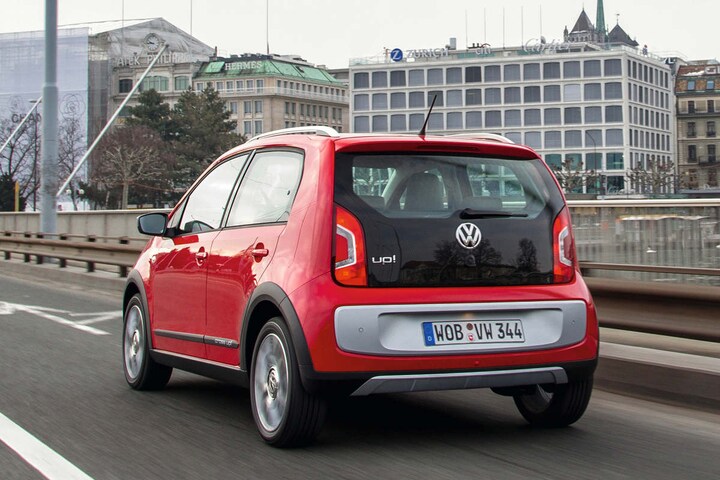
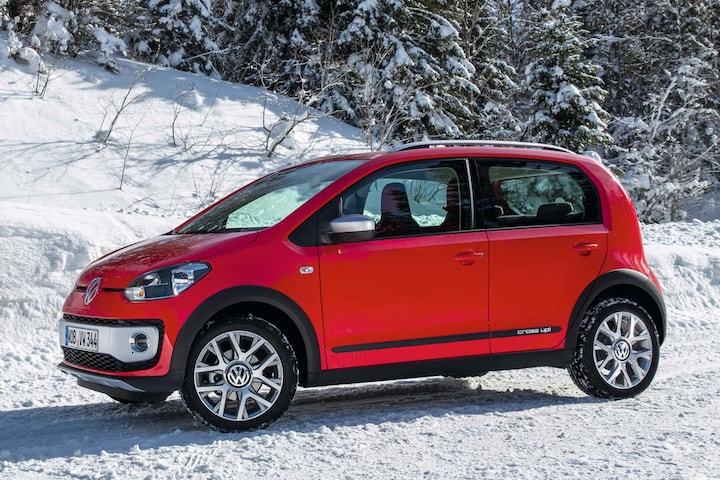
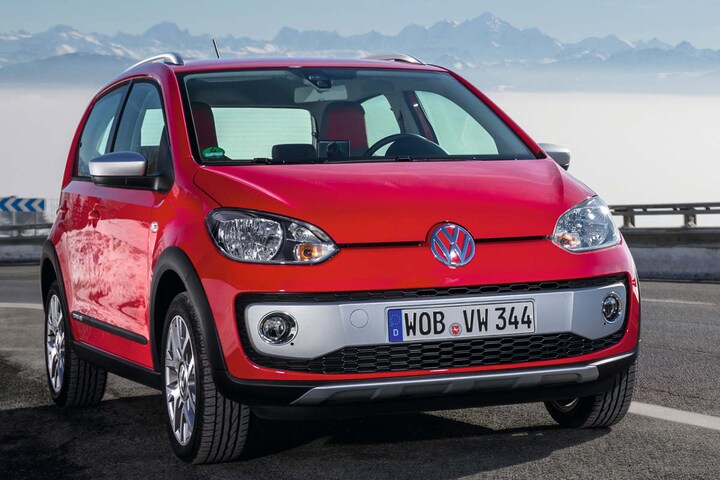
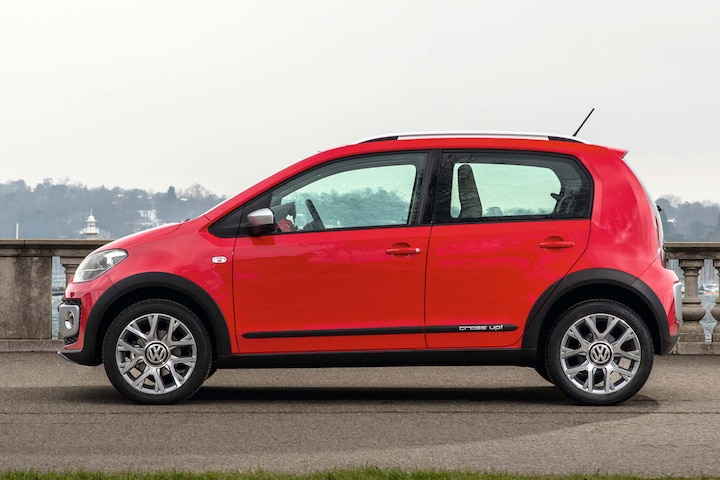
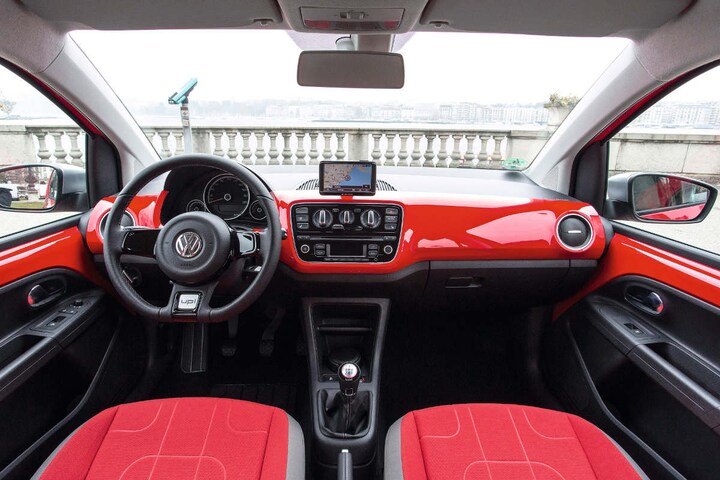
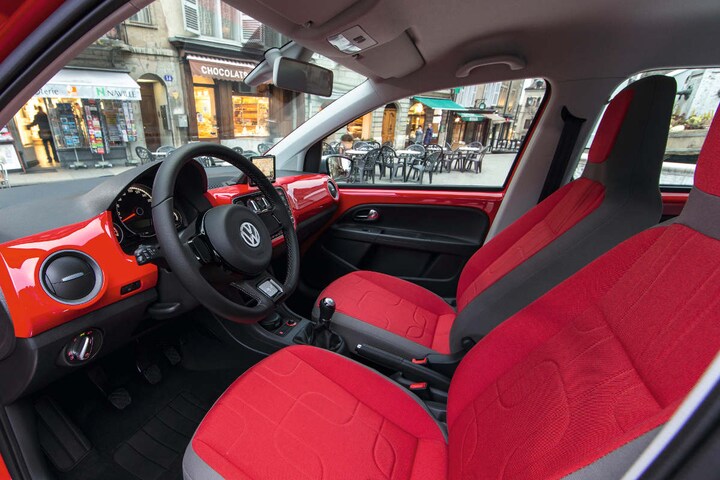
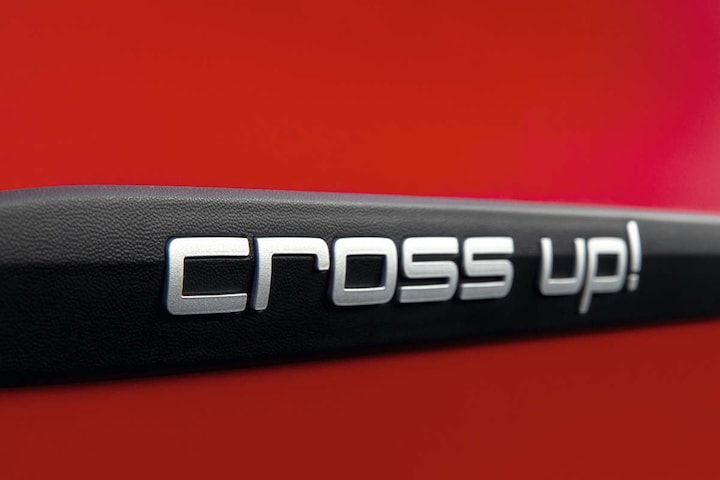
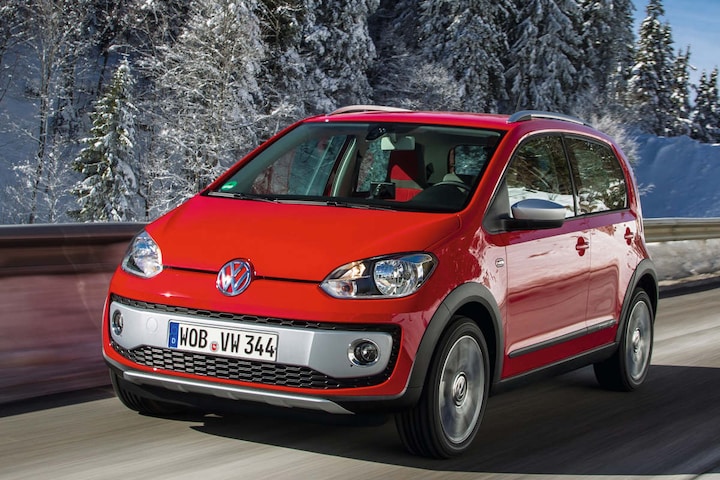
Aqui se presenta oficialmente el CrossUp!
1.0 3 cilindros 75cv

https://media.autoweek.nl/m/m1ny91rbptlg.jpg
https://media.autoweek.nl/m/m1ny91pbcflr.jpg
https://media.autoweek.nl/m/m1ny91pbovll.jpg
https://media.autoweek.nl/m/m1ny91obxclq.jpg
https://media.autoweek.nl/m/m1ny91pbfdli.jpg
https://media.autoweek.nl/m/m1ny91pbqvlk.jpg
https://media.autoweek.nl/m/m1ny91pbsflj.jpg
https://media.autoweek.nl/m/m1ny91pbavls.jpg
https://media.autoweek.nl/m/m1ny91pba7lu.jpg
https://media.autoweek.nl/m/m1ny91pb87lv.jpg
https://media.autoweek.nl/m/m1ny91obxclq.jpg
https://media.autoweek.nl/m/m1ny91pb8vlt.jpg
https://media.autoweek.nl/m/m1ny91pb3tlo.jpg https://www.autoweek.nl/nieuws/22205/klaar-voor-asfaltjungle-volkswagen-cross-up Se verá en Ginebra
lo que me gustaría saber es en qué mercado gusta tanto este tipo de coche. en España está claro que no… lo que me gustaría saber es en qué mercado gusta tanto este tipo de coche. en España está claro que no…
Por aqui si gustan las versiones cross…lo raro es que el UP no se venda, asi que no me queda claro a que mercado apunta
😕 Otra versión mas: cheer up!
Llantas, espejos retrovisores, faros, asientos, radio/MP3 y alguna cosilla mas cambia
https://www.autowp.ru/pictures/v/volkswagen/up/volkswagen_cheer_up_1.jpg
https://www.autowp.ru/pictures/v/volkswagen/up/volkswagen_cheer_up_4.jpg
https://www.autowp.ru/pictures/v/volkswagen/up/volkswagen_cheer_up_2.jpg
https://www.autowp.ru/pictures/v/volkswagen/up/volkswagen_cheer_up_3.jpg
autowp y
Nueva versión Ecofuel
1.0 12v com 68cv (50kw) y 90Nm
Usa gas natural comprimido (aunque tambien puede usarse con gasolina)
Consumo: 2.9 kg CNG/100km y 79 g/km de CO2
Precio en Alemania: €12,050nota de prensa, en inglés
The SEAT Mii Ecofuel: compressing costs can still be a gas– SEAT Mii Ecofuel uses compressed natural gas (CNG) to dramatically reduce running costs, without sacrificing driving dynamics
– SEAT’s lowest-emitting production car ever
– 2.9 kg CNG/100km and 79 g/km CO2 equates to roughly half the running costs of petrol-powered Mii, given European CNG prices
– Utilises Ecomotive Technology including Start/Stop, low rolling resistance tyres and Brake Energy Recovery system
– World debut at the Geneva Motor Show 2013SEAT is expanding the Mii family with the introduction of the new SEAT Mii Ecofuel – the company’s lowest-emitting production car ever. The Mii Ecofuel runs on compressed natural gas (CNG), bringing outstanding efficiency and significantly reduced running costs without sacrificing the fun driving dynamics that the Mii is synonymous with.
The first model with a CNG engine to wear a SEAT badge, and making its debut at the Geneva Motor Show 2013 (4-6 March), the Mii Ecofuel boasts average consumption of just 2.9 kg CNG/100 km. And because the fuel price over this distance is less than 3 Euros (approximately £2.60) in many countries*, the running costs are approximately half those of a Mii with a petrol engine.
The 1.0-litre, 68 PS engine is based on the three-cylinder petrol unit found in the Mii (with 60 PS and 75 PS outputs), but it’s been specifically developed for CNG operation. Its CO2 figure of just 79 g/km is best-in-class.
«The new SEAT Mii Ecofuel now makes environmentally friendly CNG technology affordable for all,» explains James Muir, President of SEAT S.A. «Its attractive starting price and exceptionally low consumption and emissions figures make the Mii Ecofuel one of the most interesting and sensible choices available – even for high-mileage drivers.»
At an entry price of €12,050 in Germany, the new SEAT Mii Ecofuel is the most inexpensive CNG model on the market. The outstanding value-for-money and low maintenance costs are typical for SEAT.
«The Mii Ecofuel combines driving fun, functionality, efficiency and resource conservation without any compromise,» says Dr. Matthias Rabe, Vice President of Research and Development for SEAT. «Thanks to the state-of-the-art vehicle architecture, we were able to locate the two CNG tanks beneath the vehicle floor to save space. This means that the high functionality, safety and driving fun of the SEAT Mii remain virtually unaffected.»
Innovative CNG engine
As in the petrol-driven Mii models, the Ecofuel version features a three-cylinder spark-ignition engine with a displacement of 999 cc. In the CNG variant, the compact power unit generates 68 PS at 6,200 rpm. The exceptionally lightweight and high-revving engine reaches its maximum torque of 90 Nm at 3,000 rpm. Its average fuel consumption of just 2.9 kg of CNG per one hundred kilometres and the associated CO2 figure of just 79 g/km are best-in-class.
The CNG engine in the SEAT Mii is technically very similar to the petrol engines, and also made from aluminium. To achieve optimum CNG operation, the three-cylinder engine has been modified in several areas.
An increase in compression ratio from 10.5:1 to 11.5:1 improves combustion efficiency in CNG operation. Because of the higher pressures and combustion chamber temperatures, the spark plugs now have a higher ignition voltage. The lower lubrication characteristics of gaseous fuels are compensated by different valves, as well as special guides and valve seats. The cam profiles and engine control unit are also modified.
In the new SEAT Mii Ecofuel, the ECU also handles the management of the gas injector valves and the electronic gas pressure regulator. Moreover, the engine control unit uses a lambda sensor to recognise the different qualities of ‘low gas’ and ‘high gas’, as they are sold on the German market in particular. When running on low gas, which has a lower calorific value due to its lower methane content, injection timing is adapted to suit.
Compared with conventional petrol, the combustion of CNG produces around one quarter less CO2, as well as significantly less carbon-monoxide and hydrocarbons. Fine particulates or soot are not emitted at all, although unburnt residual methane has to be converted by the catalyst. For this reason, the catalytic converter is equipped with slightly different precious metals.
Compatible with petrol, too
Despite being specifically engineered to run on CNG, the Mii Ecofuel engine can also run on unleaded petrol. With a full CNG tank (11 kg), the Mii Ecofuel has a range of up to 240 miles; the reserve petrol tank (10l) extends the range by up to 140 miles. This means that, with a full tank, a total range of up to 380 miles is possible.
A special fuel level indicator in the instrument panel informs the driver of the level in both the gas and the petrol tank. The ranges available in both operating modes are also shown in the multi-function display.
Perfect integration of the gas tanks beneath the vehicle floor
Thanks to the tidy integration of the CNG technology into the vehicle architecture, there are virtually no restrictions on use and functionality – the only difference between this and the petrol models is the absence of a spare wheel well. The connector for filling up the SEAT Mii Ecofuel at any one of the increasing number of CNG fuel stations across Europe is located beneath the same flap as the petrol cap.
The SEAT Mii Ecofuel’s low consumption and emissions figures are achieved through standard fit fuel-saving Ecomotive Technology, including a Start/Stop system and a Brake Energy Recovery system. This is combined with a low kerb weight (956 kg, without driver), good aerodynamic characteristics (cw = 0.32; frontal area = 2.07 m2) and an efficiently matched engine/transmission combination. The high energy content of CNG also plays a key role: one kilogram of CNG has the same energy content as around 1.5 litres of petrol.
Initially, SEAT will introduce the Mii Ecofuel in markets such as Germany, Italy, Austria, Switzerland, the Netherlands, Sweden and the Czech Republic where there is a clear demand for CNG fuelled cars and the infrastructure to support it.
There are currently no plans to sell the Mii Ecofuel in the UK, owing to lack of supporting infrastructure.
El coche del futuro, hasta que en 2018 le den el palo al gas. En Tenerife no hay ni una gasolinera de gas.
Se presenta la versión electrica e-Up!
55cv y 210 Nm de par (con un pico de 81cv)
Capacidad de la bateria: 18,7 kWh
150km de autonomia (NEDC)
Recarga el 80% en 30 minutos
Peso: 1185kg
0-100km/h en 14seg
135km/h de velocidad maxima
https://es.autoblog.com/2013/03/14/volkswagen-muestra-el-e-up-de-produccion/ nota de prensa, en inglés
The new e-up!
Compact four-seater makes its debut at the Annual Press and Investors ConferenceThe first all-electric Volkswagen will have its premiere at the IAA
Four-seat electric pioneer with range of up to 150 km
Wolfsburg, 14 March 2013 – Volkswagen is writing a new chapter in mobility in presenting its first fully electric production vehicle: the new e-up!. The four-seat car – which operates with nearly zero noise – is being shown at today’s Annual Press and Investors Conference in Wolfsburg. The new e-up! impresses with its driving range of 150 km and excellent everyday practicality.
Innovations that fascinate: the e-up! offers entry to a new pioneering vehicle concept with an electric drive and four seats. A car for daily use in the city ? but it is also ideal for commuters or as an innovative second car. It can handle distances of up to 150 km effortlessly. Afterwards, the e-up! can be recharged to as much as 80 per cent of its energy storage capacity within 30 minutes.
With nearly zero noise, the e-up! is powered by an electric motor with 60 kW / 82 PS peak power – without any disturbing gearshift interruptions or powertrain noise. Its continuous power is 40 kW / 55 PS. Its maximum torque of 210 Newton meters is available immediately with the first revolution. It accelerates from 0 to 100 km/h within 14 seconds and reaches a top speed of 135 km/h. The lithium-ion battery integrated in the underfloor area has a total energy storage capacity of 18.7 Kilowatt-hours (kWh); this means that the car can cover up to 150 km (per NEDC) on a single charge thanks to its low vehicle weight of 1,185 kg.
The port for charging the battery in the e-up! is hidden behind the “fuel door”. As an option, the Combined Charging System (CCS) is used, which has been standardised by Volkswagen and other carmakers. It supports both DC and AC charging, so that drivers can easily charge their cars at most charging stations – regardless of the power sources or charging rates that they offer.
The styling of the e-up! is subtle and expresses high quality. One distinctive exterior feature is the curved layout of the LED daytime running lights in the front bumper. In addition, the front end, sills and underbody have been aerodynamically optimised.
The e-up! can be made out at first glance by its machine-polished 15-inch alloy wheels, Volkswagen emblems with blue backgrounds and an e-up! logo at the rear.
The vehicle’s interior features e-up! light-grey seat covers with blue top-stitched seams. Special leather and chrome accents have been used to convey a puristic impression that matches the vehicle concept of a full-fledged urban electric car.
In autumn, the e-up! will celebrate its fair premiere at the International Autoshow in Frankfurt and can be ordered subsequently.
El precio para el e-Up! es de 26.900€ (sin ayudas) en Alemania, incluyendo ya el aire acondicionado, paquete eléctrico completo, sistema de sonido, instrumentación específica, llantas de aleación, paragolpes específicos, etc. https://es.autoblog.com/2013/07/08/la-version-electrica-del-up-costara-2-5-veces-mas-que-el-normal/ En el salón de Frankfurt veremos el e-Up!
Also making its debut in a world premiere at the IAA is the four-seat e-up!. Its electric motor produces 60 kW / 82 PS. This motor transmits 210 Nm of torque to the driven front axle from a standstill. It completes the sprint to 100 km/h in 12.4 seconds. Top speed: 130 km/h.El e-Up ya estuvo en el salón de Barcelona en mayo, pero lo metieron ahí sin pena ni gloria. En Frankfurt sí que le dieron bombo.
[i](foto de es.autoblog.com)[/i] Aquí las fotos de la exposición del finde pasado en Barcelona. Review
[url url=https://cochespias.net/viewtopic.php?f=13&t=9941&p=457286#p457277]aquí[/url] https://i.imgur.com/PCQz2iV.jpg https://i.imgur.com/mODRZBE.jpg https://i.imgur.com/aegfu1f.jpg Es que en el 90% de los coches la ventana entera no entra en la puerta, pero eso se soluciona facil poniendo una parte fija y otra que suba y baje. Como por ejemplo el Picanto.
Pero en el caso del Up, si hubieran querido que la ventana bajara, quedaría tal que así:
[img width=1024 height=682]https://i.imgur.com/bWkYg.jpg Sin contar que por debajo hay un poco más de cristal (fallo mío a la hora de recortar).
O si hacemos lo que dices tú (es lo lógico):
[img width=1024 height=682]https://i.imgur.com/nkp4i.jpg Y no sé hasta qué punto es mejor no hacerlas pivotantes, si la ventana sólo se puede bajar hasta la mitad.
Desconozco por qué no han hecho esto.
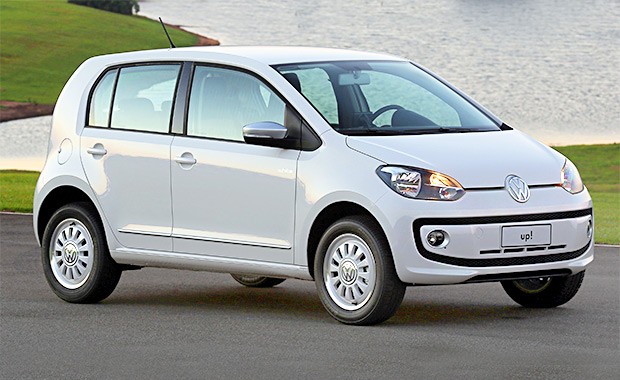
Bueno, pues la versión para Brasil sí tiene ventanillas traseras practicables… Creo que voy a pedir explicaciones
😀 Es más grande que el europeo (más alto sobre todo, se aprecia bastante).
[url url=https://revistaautoesporte.globo.com/Noticias/noticia/2014/01/vw-nacional-aparece-em-primeira-foto.html]revistaautoesporte[/url] Yo creo que sólo es más alto, de eso no cabe duda, pero para mi no es más largo como dicen en Autoblog. Simplemente que al ser la ventana trasera descendente, se modifica el aspecto externo del pilar B, pero sin alargar el coche. Yo no creo que ea más grande que el europeo, el pilar B es diferente y parece mayor porque en el europeo está oculto por la ventanilla pero aparentemente es del mismo tamaño. Y la altura es porque está más separado del suelo. Aquí se puede ver el brasileño camuflado, que creo que no lo teníamos:
http://bestcars.uol.com.br/bc/informe-se/noticias/volkswagen-up-flagrado-o-novo-modelo-de-entrada/ En las fotos de ésta página veo que el brasileño tiene el pilar C más grueso y más voladizo posterior: https://autoblog.com.ar/2013/12/exclusivo-el-volkswagen-up-mercosur-se-destapo-en-montevideo/ Nuevo Mii by Mango
Martorell, 21/01/2014. – SEAT potencia su vinculación con el diseño -uno de sus principales valores- a través de la moda gracias al acuerdo de colaboración al que ha llegado con la multinacional española MANGO, abriendo un nuevo canal de comunicación con su público gracias al carácter joven e innovador de la marca. De esta forma, las dos compañías unirán sus fuerzas a través de diferentes acciones en las que se combinará la tecnología para disfrutar característica de los modelos SEAT con el innovador diseño de la firma de moda MANGO.Gracias a este acuerdo, SEAT lanza al mercado el nuevo Mii by MANGO, una edición especial del modelo urbano de la marca española que será presentado en la próxima edición de la 080 Barcelona Fashion, que se celebrará entre el 27 y el 31 de enero de 2014 en la Ciudad Condal.
El nuevo SEAT Mii by MANGO destaca, como no podía ser de otra manera, por su atractivo diseño tanto exterior como interior, incorporando pintura exclusiva en colores Glam Beige y Negro, molduras exteriores específicas, llantas de aleación de 15 pulgadas en color gris oscuro, espejos exteriores eléctricos y calefactados también en color gris oscuro y el lettering “Mii by MANGO” en la parte izquierda del portón trasero y en el montante B.
El interior del SEAT Mii by MANGO es muy práctico, con un habitáculo caracterizado por su diseño y por equipamientos diferenciadores respecto al modelo base del urbano de SEAT. Destacan elementos en color gris, así como el volante y el pomo del cambio en piel. Los asientos delanteros y traseros de alcántara con ribetes en color beige son exclusivos, con la denominación “Mii by MANGO” en los reposacabezas. Además, el nuevo modelo de SEAT también incluye un gancho para el bolso y espejo en el parasol del conductor, así como alfombrillas, taloneras y una funda de la llave con motivos específicos.
Este nueva versión estará disponible en los concesionarios antes del verano, en las carrocerías de 3 y 5 puertas del Mii y junto al acabado Style, contando con un amplio equipamiento como el ESC, ABS, airbag frontal y lateral para conductor y acompañante, airbags de cabeza-tórax, desactivación airbag de acompañante, anclajes Isofix con Top Tether en las dos plazas traseras, aire acondicionado, radio CD/MP3 + Aux-in, asistente de arranque en pendiente, cierre centralizado con mando a distancia, toma de 12V en consola central, y elevalunas eléctricos delanteros, entre otros.
https://seat-mediacenter.es/assets/Master/2014/01/21/Mii-by-Mango/_resampled/SetRatioSize900650-Mii-3D-MANGO-001.jpg
https://seat-mediacenter.es/assets/Master/2014/01/21/Mii-by-Mango/_resampled/SetRatioSize900650-Mii-3D-MANGO-004.jpg
https://seat-mediacenter.es/assets/Master/2014/01/21/Mii-by-Mango/_resampled/SetRatioSize900650-Mii-3D-MANGO-007.jpg
https://seat-mediacenter.es/assets/Master/2014/01/21/Mii-by-Mango/_resampled/SetRatioSize900650-Mii-MANGO-001.jpg
https://seat-mediacenter.es/assets/Master/2014/01/21/Mii-by-Mango/_resampled/SetRatioSize900650-Mii-MANGO-003.jpg
https://seat-mediacenter.es/assets/Master/2014/01/21/Mii-by-Mango/_resampled/SetRatioSize900650-Mii-MANGO-008.jpg
https://seat-mediacenter.es/assets/Master/2014/01/21/Mii-by-Mango/_resampled/SetRatioSize900650-Mii-MANGO-010.jpg
https://seat-mediacenter.es/assets/Master/2014/01/21/Mii-by-Mango/_resampled/SetRatioSize900650-Mii-MANGO-015.jpg
https://seat-mediacenter.es/assets/Master/2014/01/21/Mii-by-Mango/_resampled/SetRatioSize900650-Mii-MANGO-018.jpg








- Regístrate para acceder al foro, puedes hacerlo siguiendo el botón "Regístrate" en el final de la página.