
Etiquetado: aerodinamica, Alejandro Mesonero-Romanos, Alianza vag, Altea y Exeo, Audi, Audi A1, Audi A3, Audi confirma su "anti-X6", Audi construirá nueva planta en China para fabricar el nuevo A3, Audi desarrolla un A5 que se tumba en las curvas, Audi diferenciará más sus modelos entre sí, Audi e-tron concept (PPE) 2020, Audi inicia la producción de vehículos en Indonesia, Audi logra las mejores ventas de su historia, Audi presenta e-Bike, Audi TukTuk (2022), Audi y BMW podrían ser vetados en Corea del Sur, Autobild: El Seat Tribu llegará en 2013, Autocar confirma producción del Lamborghini Estoque, Bentley, BMW, bugatti, Coche oficial de varios clubes de futbol españoles, Colección privada Porsche a subasta, con 100 millones de presupuesto, CUPRA, diseño, donckerwolcke leaves seat, DSG, Ducati, ebike, El Audi A1 se venderá fuera de Europa, El nuevo Audi A6 será un 20% mas ligero, El nuevo logotipo de SEAT, El nuevo Volkswagen Beetle irá a Detroit, El túnel aerodinámico de Audi, El Volkswagen Polo estrena motor 1.2 TSI con 90 CV, grupo volkswagen, grupo volswagen marcas, italdesign, James Muir (SEAT) anuncia Berlina en segmento del Jetta en Ginebra, Johnnie Walker, La producción del Audi A1 alcanza las 100.000 unidades, Lambo confirma un modelo de acceso, Lamborghini, Las cuatro nuevas plataformas del grupo VW, leon, MAN, máxima eficiencia, Muere Ferdinand Alexander Porsche, No habrá baby Porsche, noticias del grupo vag, noticias del grupo volkswagen, noticias para vag, noticias rimac, Noticias Seat 2011, Noticias Seat 2012, noticias vag, noticias volkswagen, Nueva Plataforma MQB VW, nuevo jefe de diseño de SEAT, Nuevo modelo de Lamborghini presentado en Frankfurt, Nuevo Seat Ibiza 1.2 TSI 105cv 6 vel a partir de semana 40, Nuevos motores para SEAT Ibiza, plataforma, Porsche, Porsche 911 GT1 Evolution a la venta, porsche 918 spyder, Porsche 919, Porsche compra las instalaciones de Nardó, Porsche desarrollara una nueva plataforma deportiva para VAG, Porsche diseña un minibar para "Juanito Caminante", PORSCHE quiere siete modelos en su gama, Porsche registra el nombre 919, Porsche se encargara de desarrollar las grandes berlinas de VAG, Rimac, rimac noticias, Scania, SEAT, SEAT abre en 3 semanas la nueva submarca deportiva, SEAT en la cuerda floja, SEAT estudia entrar en el mercado chino, SEAT invertirá 300 millones de euros anuales durante los próximos 5 años, Seat León Serie especial "60 Aniversario", SEAT tendrá que duplicar ventas para poder sobrevivir, SEAT y Castrol, Škoda, Škoda renueva en el Salón de París su gama Greenline, su prototipo de bicicleta eléctrica, Travolution, Tri-turbo para el próximo 911 turbo (serie 991), vag, vag news, vag noticias, Video: el Test Martin Winterkorn para el VW Gol Trend, Volkswagen, Volkswagen amplia el sistema Kessy a mas modelos, Volkswagen autoriza a SEAT a fabricar un modelo que competirá con el Q3, Volkswagen China y el Gobierno alemán se comprometen con la electromovilidad, Volkswagen industriales, Volkswagen negocia la compra de Ducati, Volkswagen quiere un nuevo SUV por debajo del Tiguan, Volkswagen se hace con el 90, volkwagen, VW, VW confirmará en Portugal su campaña en el WRC, VW eGolf para el 2013, VW gasta más que nadie en investigación y desarrollo, VW pide disculpas por los fallos de la caja DSG
- Este debate tiene 1,755 respuestas, 121 mensajes y ha sido actualizado por última vez el hace 2 días, 23 horas por
 Reppu.
-
Volkswagen presenta el nuevo 1.5 TSi
– EA211 EVO
– Relación de compresión: 12.5:1
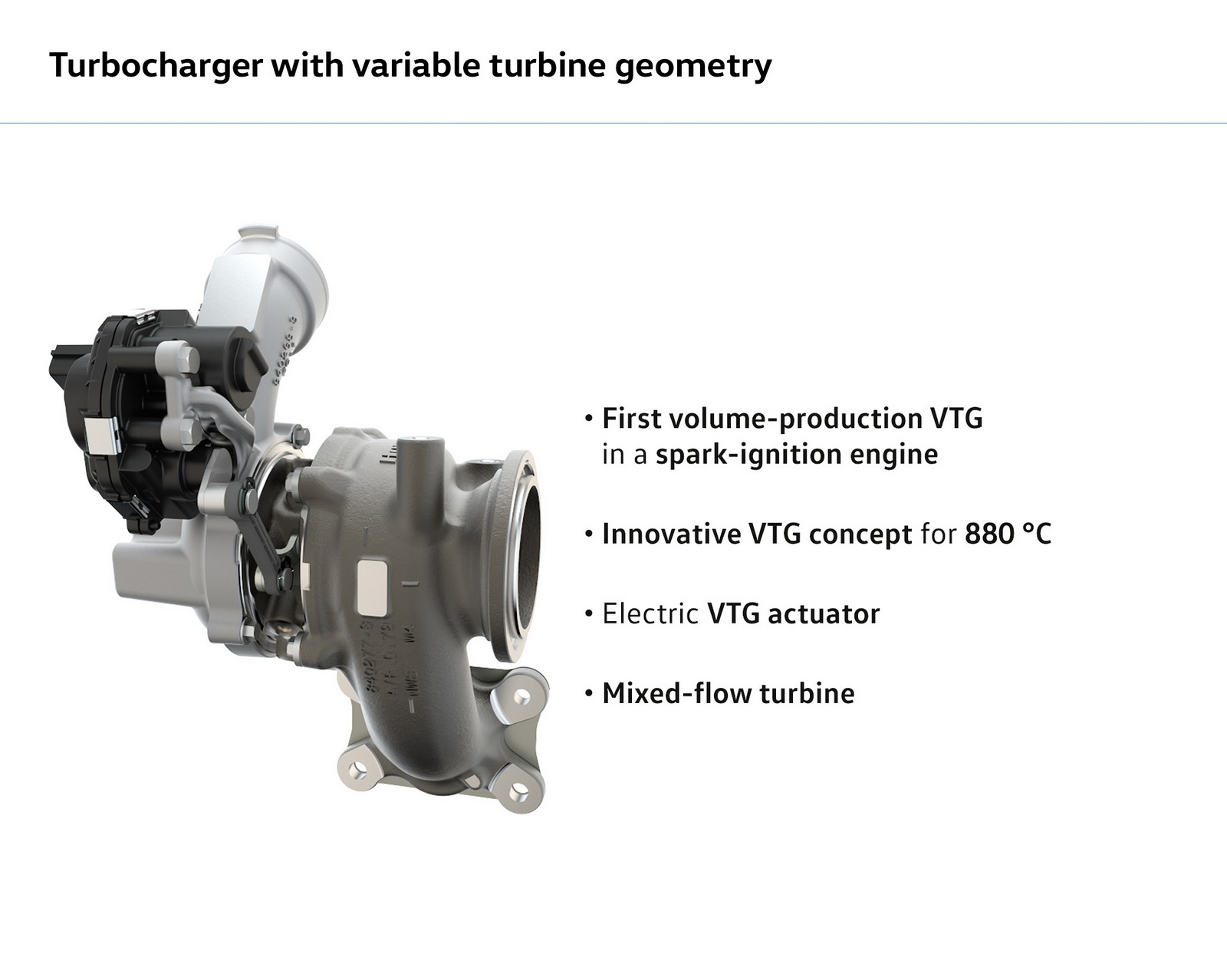
– turbo de geometria variable
– desactivación de cilindros
– inyección directa de 350 bares
– ciclo Miller
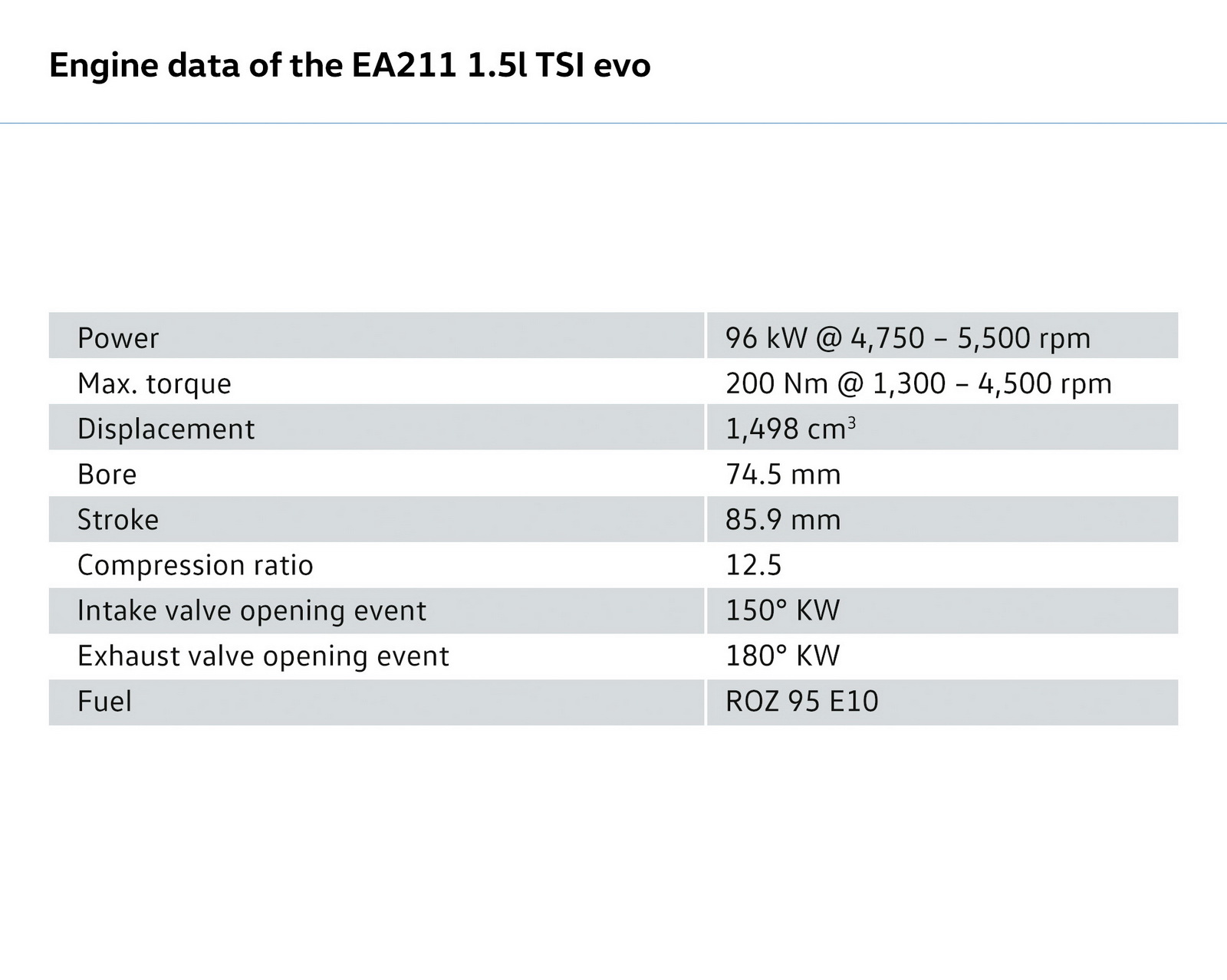
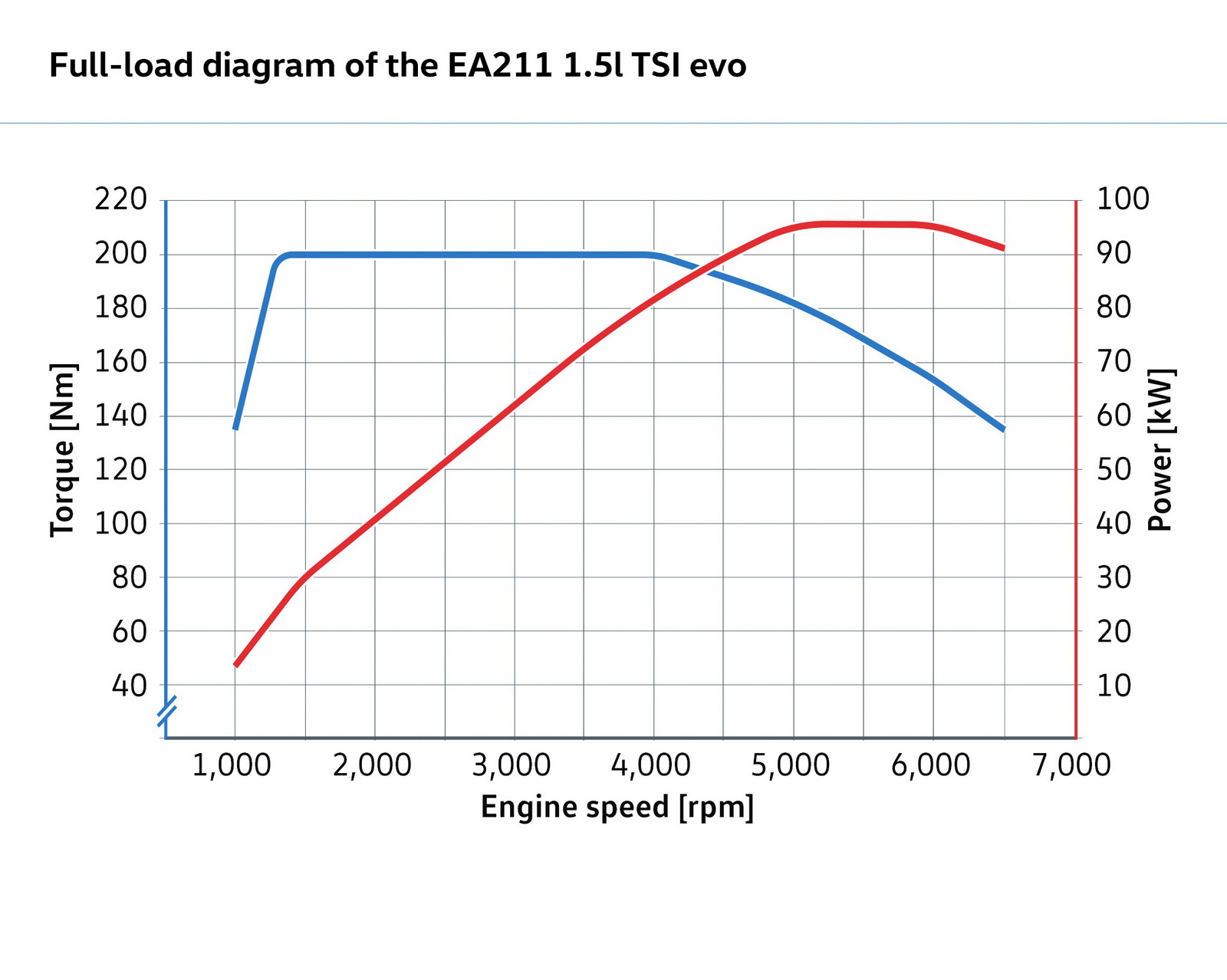
– 2 versiones: 130 y 150cv. El par es de 200 en el pequeño, a 1300rpms
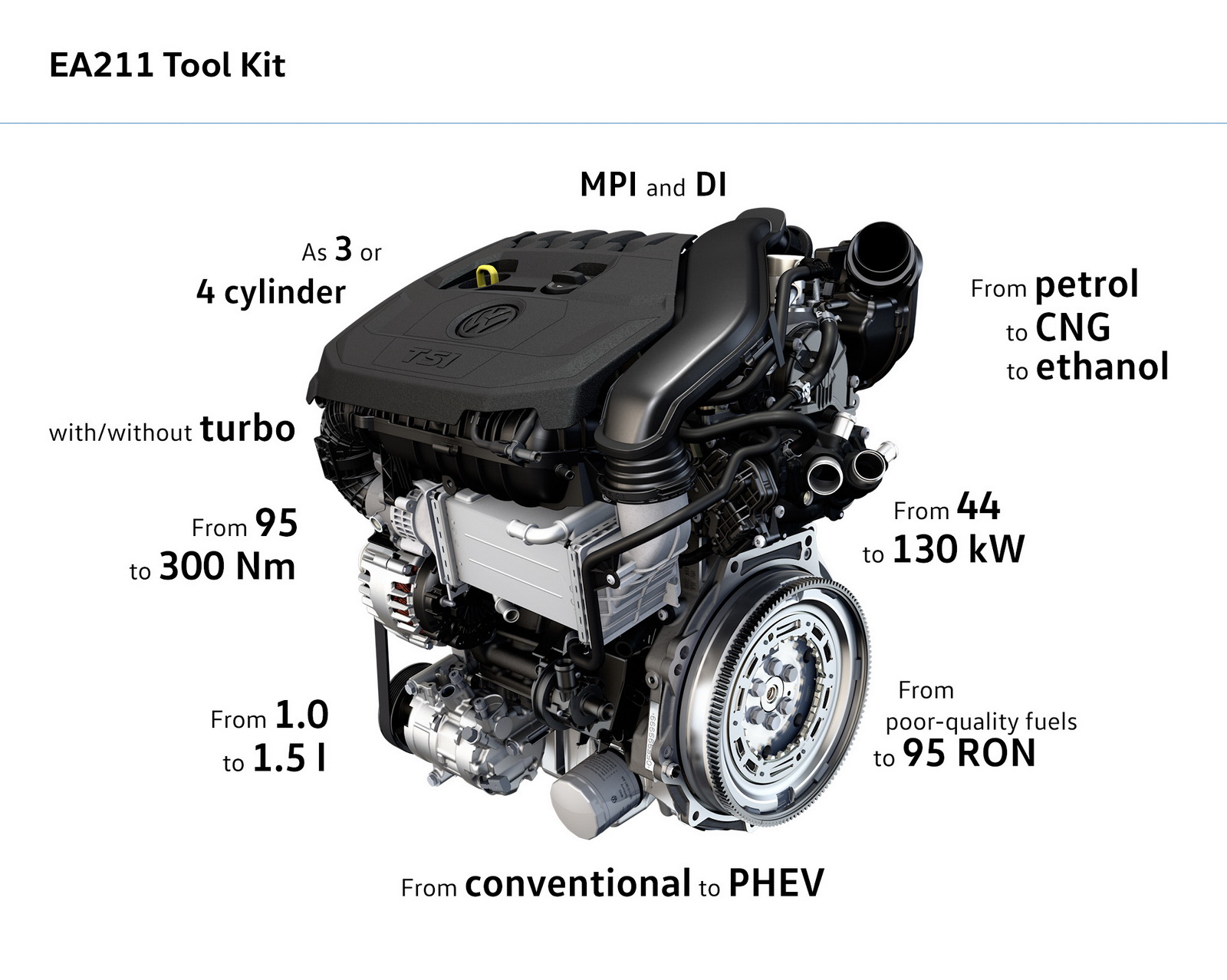
– 10% mas eficiente con referencia al 1.4 TSi 125cvLa ultima foto que se ve, parece que es el nuevo EA211EVO en varias cilindradas (1.0 3cil. y 1.5 4cil.), atmosferico y turbo (entre 60 y 175cv, y 95 a 300Nm), con varias posibilidades de combustión (gasolina, etanol y gas) e incluso hibridación

https://1.bp.blogspot.com/-pAq_9Feae-A/VyINOtkwZYI/AAAAAAAAgm4/p5PU6zDfpb47tO-ht4aRDB5NMxWnLzFUgCLcB/s1600/2016-vwtsi-01.jpg
https://3.bp.blogspot.com/-eQubVEbuVMk/VyINOROWdcI/AAAAAAAAgmw/O8PXHjj9Hngsv0LqrUi0T2stLGHcexRWgCLcB/s1600/2016-vwtsi-02.jpg
https://2.bp.blogspot.com/-sQQ-2rpbKM0/VyINO1C4SPI/AAAAAAAAgm8/kVuDxl29jqkF787-KLp5lS7RMgrxXWDPwCLcB/s1600/2016-vwtsi-04.jpg
https://4.bp.blogspot.com/-vmrLOaqPR1g/VyINPEJvU7I/AAAAAAAAgnE/HuXSOmD-eEEl7dwJ3Q-HjAmaHHEKV8IqwCLcB/s1600/2016-vwtsi-06.jpg
https://1.bp.blogspot.com/-g4IumZ7ZV34/VyINOk9fYJI/AAAAAAAAgm0/y7pRBddtQgATMwXBwNBx8ZCcFy7T0XbAACLcB/s1600/2016-vwtsi-03.jpg http://www.carscoops.com/2016/04/vws-next-gen-15l-tsi-engine-detailed.html Nota de prensa, en inglés
Volkswagen at the 37th Vienna Motor Symposium– New TSI engine generation is significantly more efficient
– Miller combustion cycle in combination with higher compression as the basis for further reduction in fuel consumption
– VTG turbochargers in volume-produced spark-ignition engines for the first timeVolkswagen is presenting the latest generation of the so-called EA211 TSI evo at the 37th International Vienna Motor Symposium. The first model in this future generation of spark ignition engines is the 1.5-litre TSI. This simultaneously fuel-efficient and high-torque TSI engine is set to launch in late 2016, initially with outputs of 96 kW and 110 kW. One of the numerous highlights of the new power unit is the turbocharger with variable turbine geometry, which features for the first time in a volume-produced spark ignition engine.
Future fleet and emissions legislation demands further progress in terms of fuel consumption, CO2 and emissions. In order to achieve these ambitious targets, a large number of technical innovations have been combined in the new EA211 TSI evo, which have been considered in a new kind of combustion process. The result is a maximum torque that is available extremely early (from 1,300 rpm) and over a broad range of engine alongside with significantly enhanced customer fuel economy, with consumption reduced by up to one litre over one hundred kilometres.
For more than ten years, Volkswagen has been supplying the direct-injection and turbocharged spark-ignition engines with TSI technology. During this time, numerous innovations have come onto the streets. Thanks to single-stage and two-stage turbocharging, integrated charge-air cooling, integrated exhaust manifold with thermodynamic benefits and also the cylinder deactivation implemented in the four-cylinder for the first time, the spark-ignition engine has evolved increasingly into a fuel-saving specialist.
With the latest generation of engines, Volkswagen is going one step further: the main technology elements of the new EA211 TSI evo result in efficiency benefits of up to 10 per cent compared with the previous 1.4l TSI (92 kW). An important aspect here is that the improvements in fuel economy take effect across a wide range of the engine map. Consequently, they do not merely apply under test bench conditions but also have a distinct impact on the customer’s everyday driving. Details of the new/revised technologies featured are as follows:
– Miller combustion cycle with a high compression ratio of 12.5:1
– Turbocharger with variable turbine geometry (VTG).
– Common-rail injection system with up to 350 bar pressure
– Innovative thermal management
– Cylinder deactivation (ACT)
– APS-coated cylinder walls (atmospheric plasma spray)In detail this means: the cylinder liners in the aluminium crankcase for the 110 kW power variant are coated using the APS process (atmospheric plasma spray). Fine-grain spray powders combined with a specifically optimised grinding process lead to the creation of tiny lubrication pockets, which ensure that the piston rings glide smoothly with low friction and little wear. Further benefits of this solution are the increased heat dissipation compared with cast iron, the resulting improvement in antiknock properties during combustion and improved corrosion resistance in respect of poor-quality fuels on global markets. APS technology has also demonstrated particularly good wear resistance in hybrid applications, whereby the cold engine is often started under higher loads.
The cylinder head has been extensively re-engineered. Initiatives include optimisation of the water jacket for improved heat dissipation and adaptation of the valve angle and combustion chamber for the best possible execution of the Miller combustion process. The proven concept of the exhaust manifold integrated into the cylinder head has been retained. In contrast to the EA211, the intake camshaft is adjusted using a high-speed hydraulic camshaft actuator with a central control valve. The adjustment speed of up to 300° of crank angle (CA) per second enhances the dynamics of the cylinder-fill control.
The cylinder deactivation, another subassembly from the EA211 engine assembly kit, has been improved and is entering volume production with the TSI evo. This, too, benefits engine efficiency and is an important feature when it comes to the customer experience. It closes off the intake and exhaust valves of cylinders two and three up to the mid-load range, while at the same time deactivating fuel injection.
The new map-controlled cooling module provides the engine with efficient thermal management. Among other things, the cooling module ensures the water in the crankcase and the engine as a whole remains stationary during the warm-up phase. The resulting rapid engine warming improves heating in the car’s interior and reduces engine friction during the warm-up process. A further benefit of the map-controlled cooling module is that the engine can be cooled in close correlation with its requirements across the entire operating range.
Other features of the TSI evo include an extensive friction package. This encompasses a map-controlled, fully variable oil pump, polymer coating of the first main crankshaft bearing and a switch to low-viscosity 0W20 oil.
The Miller combustion cycle is a key innovation in the new EA211 TSI evo. The resulting improvement in thermodynamic efficiency has been systematically implemented through four main development targets:
– Increase in the geometric compression ratio to improve efficiency in customer-relevant operation
– Reduction of the final compression temperature through early intake valve closing and resulting expansion cooling in the intake stroke.
– Optimisation of the charge motion in the interests of rapid flame propagation to reduce knock tendencies at high specific loads
– Increase in charge density through efficient exhaust gas turbochargingA world first for the TSI evo is the use of an exhaust gas turbocharger with electrically actuated variable turbine geometry (VTG). Due to early intake valve closing in the Miller combustion cycle, volumetric efficiency is lower than for an engine with standard valve timing. Under partial load, the resulting de-throttling leads to a fuel-consumption benefit for the TSI evo. High charge pressure balances out the effect of the inherently lower effective stroke volume to create high low-end torque. At low engine speeds in particular, this places very high demands on the turbocharging system. Through adaptation of turbine flow characteristics to match the operating points, an exhaust-gas turbocharger with variable turbine geometry presents the opportunity to provide very high turbine output and thus high charge pressure from low engine speeds. The increased accumulation effect on the VTG turbine, in combination with a reduced moment of inertia in the turbocharger, additionally results in very spontaneous response characteristics. Compared with a 1.4l TSI (92 kW), the step change in load to the maximum torque takes place some 35 per cent faster. Overall, VTG technology forms an integral part of the TSI evo combustion process.
The indirect charge-air cooling has also been modified. In contrast to the EA211, the cooler is located in the pressure pipe, downstream of the compressor outlet and before the throttle valve, meaning it, too, is cooled. The new installation position made it possible to increase the size and performance of the cooler, while maintaining a very compact overall package. It is now able to reduce the temperature of the charge air to 15 Kelvin above that of the ambient air.
The injection system is the first application of the fourth-generation Volkswagen direct- injection system. Optimisation of the overall system and its components facilitated an increase in injection pressure to 350 bar. The resulting smaller droplet size improves mixture formation, leading to benefits such as a substantial reduction in particulate emissions.
The innovation of reducing the diameter of the injector tip to 6 mm, which is beneficial for integration into the combustion chamber, improves stiffness and reduces temperatures at the injector plate.
Volkswagen comienza a llamar a los Golfs por el DieselgateDe momento con el 2.0 TDi BMT
Nota de prensa, en inglés
Volkswagen starts recall of the first Golf model– Federal Motor Transport Authority (KBA) grants approval for the software solution for affected Golf 2.0l TDI BMT
– Customers can arrange workshop appointments at short notice
– Recall of further volume models to follow soonThe Volkswagen passenger car brand is starting the technical modification of vehicles affected with engine type EA 189. The first model that customers will be soon able to make a service appointment for is the Golf TDI Blue Motion Technology (BMT) with a 2.0l engine. In Europe around 15,000 Golf cars affected with a manual gearbox are being called to the workshops. Further Volkswagen passenger car brand models will follow shortly in the recall process.
In the development of the technical measures customer-friendly solutions have top priority. This is why the vehicles concerned will be staggered in several groups for the workshop recall to ensure efficient implementation of the modifications. Following examination and confirmation by the KBA, all customers affected have already received a first letter informing them about the recall measure. In a further letter at a later point in time the vehicle owners will be asked to make a workshop appointment with a Volkswagen partner company of their choice. This letter will shortly be sent to all owners of Golf 2.0l TDI BMT.
In close coordination with the Federal Motor Transport Authority it is Volkswagen’s declared aim that the technical solution does not result in any changes to the fuel consumption levels, performance data or noise emissions of the vehicles concerned. For the Golf 2.0l TDI BMT the KBA has confirmed that this objective has been achieved in full.
Volkswagen is working at full speed to implement the technical solutions and will rectify all vehicles affected by the NOx issue. This will be done in close coordination with the responsible authorities. In Europe Volkswagen is exercising its right as a manufacturer to remedy defects. Volkswagen customers will not incur any costs as a result of these technical measures. Furthermore, as part of the recall process all customers will be offered appropriate replacement mobility options free of charge.
Over and above this the vehicles affected are technically safe and roadworthy. They can be driven on roads without any limitations until the modifications are implemented. The implementation of the necessary technical measures is being carried out throughout Europe in accordance with a timetable and action plan coordinated with the Federal Motor Transport Authority (KBA).
Porsche presenta un nuevo motor V8 biturboLos datos:
– 404 kW (541 CV) a 5.750 rpm
– 770 Nm de par desde las 1.960 hasta las 4.500 rpm
– Desactivación de cilindros (4) en condiciones de baja carga (entre 950 y 3.500 rpm)
– Start-stopEsatarán montados en los Panamera y Cayenne
Parece que podria terminar en el vano motor de otros modelos de otras marcas, incluso hibridarsehttp://www.diariomotor.com/2016/05/06/porsche-cayenne-panamera-nuevo-v8-2016/
http://www.autonocion.com/asi-es-el-nuevo-motor-v8-biturbo-de-porsche-el-fin-de-los-grandes-v8-alemanes/#close [size size=150]Volkswagen fabricará un segundo modelo en Navarra[/size] Hoy se ha anunciado oficialmente. El grupo alemán ha concedido a Landaben la producción de un segundo modelo a partir de 2018, que estará basado en el Volkswagen Polo de la siguiente generación. En otras palabras, los dos estarán basados en plataforma MQB. De esta forma, casi todos los coches del segmento B del Grupo VAG se fabricarán en España en esas fechas. Prácticamente todos apostamos a que será un derivado SUV del popular utilitario.
Es una buena noticia para la industria española, después de saberse que PSA invertirá 700 millones de euros entre Vigo y Villaverde, y Renault meterá 750 millones para sus fábricas españolas (inicialmente se dijo “más de 600”). Mientras que en Europa se ha echado el cerrojo a muchas fábricas, en España solo han cerrado dos, y las demás han recibido cada vez más trabajo y son fuentes de elogios de los altos directivos de los fabricantes.
El acuerdo entre los tres sindicatos principales (CGC, CCOO y UGT) se produjo en marzo, en el que se pactó una mejora de la competitividad. Así se ha evitado que el nuevo modelo se adjudique fuera de España. Landaben ha producido más de siete millones de Polo, el año pasado se rascó un volumen de 300.000 unidades. El 91% de lo producido fue destinado a la exportación, y el Polo suele estar entre los superventas españoles.
Entre los puntos del acuerdo, está garantizar el trabajo de la fábrica otros 15 años, con una producción diaria de más de 1.400 coches. Habrá aumentos de sueldo más adelante, pero también se currará más. Además, Volkswagen se compromete a crear entre 300 y 500 empleos, por lo que la población laboral de Landaben se acercaría a 5.000 almas. En el sector auxiliar se generarán hasta 2.000 empleos por la demanda adicional de componentes para el Polo y su hermano. Aunque no todos los sindicatos estuvieron de acuerdo, empresa y trabajadores llegaron al necesario entendimiento.
Vía :
http://www.pistonudos.com/noticias/volkswagen-fabricara-un-segundo-modelo-en-navarra/ Video en el enlace.
Cuánto más fabriquen en Spain, Mejor. Jejeje. Citroen, Vw, Renault…a ver quién es el siguiente.
El Brexit, pienso, podría generar la huída de alguna fábrica de las islas. Aunque, seguramente, buscarán mano de obra barata. Los países del Este.
La explicación al DieselGate. Dejo el enlace porque es muy largo…
http://www.lavanguardia.com/economia/20160618/402601523850/volkswagen-dieselgate-fraude.html La gama del grupo VW se reestructuraráParece que va a eliminar en total unos 40 modelos de todo el grupo. Veremos reducir el numero de carrocerias
Pero lo positivo es que aumentarán el numero de vehiculos hibridos y electricoshttp://www.diariomotor.com/2016/06/21/volkswagen-recortes-40-modelos/ Nuevo plan: «TOGETHER – Strategy 2025»Se centrará principalmente en la mejora de las emisiones de sus motores. En los TSI/TFSi se irá incorporando el FAP para reducir en un 90% las particulas salidas por el escape a partir de junio del año que viene
Tambien se destinara varios millones de € para el desarrollo de vehiculos electrificados, ya sea puros como hibridos. En 2025 habrá mas de 30 modelos electricos, esperando vender entre 2 y 3 millones por esas fechas
Tambien el desarrollo de los vehiculos autonomosNota de prensa, en inglés
https://www.volkswagen-media-services.com/en/detailpage/-/detail/Matthias-Mller-We-have-launched-the-biggest-change-process-in-Volkswagens-history/view/3710903/7a5bbec13158edd433c6630f5ac445da?p_p_auth=XUg6tR1A Dos directivos de VW, acusados de manipular el mercado
Manipulación del mercado por parte de dos de sus máximos responsables, Herbert Diess y el ex CEO de la marca Martin Winterkorn.Según informan desde Reuters y DPA, los dos cabecillas del Grupo Volkswagen son actualmente el blanco de una investigación relacionada con el tema de las emisiones de los vehículos diésel del fabricante, estando acusados de haber llevado a cabo una manipulación del mercado financiero al advertir a algunos inversores las millonarias pérdidas financieras que se desatarían tras desvelarse el escándalo. Todo ello, claro está, tiempo antes de que éste tuviera lugar.
La propia oficina del fiscal de Brunswick, Alemania, en el estado natal de la Baja Sajonia de Volkswagen, ha sido la encargada de confirmar a los medios que Winterkorn se encuentra bajo investigación, y a pesar de que al mismo tiempo también reveló que otro de los miembros de la junta directiva actual se encontraba en la misma situación, prefirió no revelar su nombre.
Al parecer, la investigación fue motivada por los cargos presentados por el regulador financiero germano BaFin, y en caso de llegar a ser cierta la acusación, en Alemania el delito de manipulación del mercado conlleva una pena de prisión de hasta cinco años o una cuantiosa multa, grave problema que se sumaría a los que ya acumula Volkswagen. ¿Cómo acabará la historia?
[size size=150]El Audi Q5 2.0 TDI contamina más al pasar la revisión del Dieselgate[/size] Más problemas para Volkswagen, esta vez en Europa. La Organización de Consumidores Europeos (BEUC) denuncia que un Audi Q5 2.0 TDI, tras haber sido su motor revisado por el caso Dieselgate, sigue sin cumplir con el límite de homologación de la normativa Euro 5, el que debería haber cumplido cuando salió a la venta. Para mayor precisión, los óxidos de nitrógeno están un 25% por encima de 180 mg/km.
El grupo italiano Altroconsumo ha realizado una prueba con la colaboración de OCU, Test-Achats y Deco Proteste. El vehículo fue probado antes y después de pasar por un servicio oficial Audi, tanto en banco de rodillos como en carretera (con un equipo de medición portátil, o PEMS). En teoría, la reprogramación de la centralita debería reducir las emisiones de NOx, la autoridad certificadora alemana -KBA- dio el visto bueno a dicha rectificación.
La realidad es diferente, de acuerdo a los datos proporcionados. En carretera no se han observado grandes diferencias, ya que la centralita no ha detectado condiciones de homologación, y no ha activado el modo tramposo. En el banco de rodillos sí se aprecia un comportamiento distinto, ya que ahora la centralita no detecta el ciclo de pruebas, no activa el modo tramposo, por lo que las emisiones han subido un 13,2%. Tal y como suena, parece una monumental tomadura de pelo.
En la carta que Volkswagen -y sus marcas- manda a los dueños para conminarles a rectificar los motores, se especifica que los valores de homologación no han sido alterados. En otras palabras, estarían mintiendo a sus clientes. Los 225 mg/km de NOx que da el coche en banco de rodillos tras el apaño superan el umbral de 180 mg/km, por lo que no se podría haber homologado como Euro 5, aunque sí como Euro 4. El Q5 se homologó para Euro 5 porque ya estaba en vigor.
El consumo no ha variado, es un 40% superior al homologado antes y después de la intervención
OCU y demás asociaciones de usuarios están preparando una demanda colectiva contra Volkswagen, exigiendo una indemnización, y recomiendan que los propietarios no realicen las modificaciones propuestas por el fabricante. En teoría, la modificación solo elimina la detección de la prueba, por lo que estaría contaminando lo mismo en condiciones reales.
Lamentable por VAG.
[size size=150]Volkswagen provisiona otros 2.200 millones por el diésel-Gate y prevé un aumento del beneficio[/size] El grupo automovilístico alemán Volkswagen ha adelantado este miércoles que su beneficio operativo para el primer semestre del ejercicio es «significativamente más alto» de lo previsto, al tiempo que ha anunciado una nueva provisión de 2.200 millones de euros por el caso del software.
La corporación que preside Matthias Müller afirmó que su resultado operativo antes de efectos extraordinarios fue de 7.500 millones de euros, lo que supone una cifra muy por encima de las expectativas de mercado para la primera mitad del ejercicio y a pesar del impacto económico derivado del problema de los motores diésel.
Volkswagen explicó que su beneficio operativo registró un impacto de 2.200 millones de euros derivado de las provisión adicional a los 16.200 millones de euros previstos anteriormente, por los riesgos legales en Norteamérica. De esta forma, el resultado operativo después de extraordinarios se situaría en 5.300 millones de euros.
La multinacional con sede en Wolfsburg afirmó que esta mejora de su beneficio operativo antes de extraordinarios entre enero y junio es consecuencia de la mejora experimentada por la marca Volkswagen en el segundo trimestre.
También han contribuido a esta evolución positiva otros factores como la mejora del mercado automovilístico europeo, la recuperación de los pedidos de flotas de empresa y los impactos positivos del programa de eficiencia que está llevando a cabo la compañía.
Para el conjunto del ejercicio, Volkswagen contempla registrar una cifra de negocio hasta un 5% inferior a la registrada el año anterior, en función de las condiciones económicas y de la evolución del tipo de cambio de las divisas.
El consorcio automovilístico, que publicará el próximo 28 de julio sus resultados semestrales definitivos, afirmó que para el conjunto de 2016 prevé obtener un retorno operativo sobre ventas de entre el 5% y el 6%.
[size size=150]Los nuevos Audi A3 y Audi Q4 se retrasan por culpa del Dieselgate[/size]
Información de Auto Motor und SportYa se ha cumplido un año desde que el caso del escándalo Volkswagen saliera a la luz y aún está causando problemas al gigante alemán; no solo a nivel económico, sino también en el desarrollo de sus productos. En este caso, la marca perteneciente al Grupo Volkswagen afectada es la de los cuatro aros, Audi.
La multinacional de Ingolstadt tendrá que retrasar los planes de lanzamientos que tenía previstos, y es que un buen número de ingenieros del grupo está trabajando en terminar de llevar a cabo las modificaciones necesarias para que los motores afectados por el dieselgate cumplan la normativa, por lo que no pueden centrarse totalmente en el desarrollo de nuevos modelos.
Según Auto Motor und Sport, una fuente interna de la marca habría declarado que: “estamos atrasados en la planificación de los siguientes modelos basados en la plataforma modular MQB”. Dos de los productos de Audi que deberían presentarse dentro de pocos años serían la cuarta generación del Audi A3 y el nuevo crossover Audi Q4, sin embargo, estos modelos se verán retrasados.
Este mismo medio apunta que la renovación del best-seller de Audi, el Audi A3, no estará listo hasta finales del año 2019, es decir, dentro de tres años. Por su parte, el nuevo crossover Audi Q4, que llegaría para crear un nuevo segmento dentro de Audi con un estilo más vistoso (en teoría similar al concepto del Audi Q2) y diferente a la mayoría de los modelos que ofrece actualmente, no se dejaría ver hasta nada más y nada menos que dentro de cinco años, en 2021.
La compañía de Ingolstadt no ha confirmado ni ha desmentido las declaraciones de Auto Motor und Sport hasta el momento pero, de ser así, podría ser un duro palo para Audi. De ser cierto, nos llega la duda de si el resto de marcas pertenecientes al Grupo Volkswagen también tendrán que verse forzados a retrasar parcialmente el desarrollo de sus futuros vehículos; más aún cuando el gigante alemán prepara una fuerte ofensiva de productos con vehículos eléctricos e híbridos para los próximos años.
Vía:
[url]http://www.actualidadmotor.com/audi-a3-audi-q4-retrasan-culpa-dieselgate/ [/url] Y no sé si ya es oficial, su retirada del mundial de Rallies. OFICIAL:
Algunos Audi automáticos con motor V6 habrían falseado sus emisiones de CO2, según la CARB californianaTras el escándalo de las emisiones del Grupo Volkswagen y los motores TDI trucados, parecía que las aguas volvían a su cauce en Wolfsburgo. Las noticias de los últimos meses se han centrado en la recompra de vehículos afectados en Estados Unidos, así como indemnizaciones al otro lado del charco. Desde hace apenas unas horas, se ha sabido que la CARB (California Air Resources Board) habría descubierto un software en las cajas automáticas de algunos Audi con motor V6, mediante el que se habrían falseado a la baja sus emisiones de CO2.
¿Cómo funciona este software? ¿Es realmente ilegal?Según CARB – la agencia medioambiental californiana – ha descubierto, es un software presente en algunos Audi con motor V6 y cambio automático AL551, el conocido Tiptronic de ocho relaciones y convertir de par, de origen ZF. Este software es capaz de detectar cuándo el vehículo se encuentra en un banco de rodillos, y modifica entonces su estrategia de cambio de marchas. La caja de cambios entra en una suerte de modo “Eco”, y a la hora de practicar su homologación de consumos y emisiones de CO2, arroja cifras inferiores a las reales.
¿Cómo lograba Audi que el coche detectase que estaba en un banco de rodillos? Al igual que en el caso de los TDI trucados, a través de la dirección. El sistema estaba programado para entrar en este “modo de pruebas eficiente” si detectaba que durante un determinado tiempo el volante no se movía más de 15 grados. El software no variaba la relación de cambio, ni practicaba modificaciones en la combustión del motor. Sólo variaba la estrategia de cambio, entendemos que adelantando los puntos de cambio, por ejemplo.
La CARB californiana detectó este software hace ya cuatro meses, pero ha sido ahora cuando ha salido a la luz, a los pocos días de haber rechazado el organismo californiano la última solución a los V6 TDI trucados en Estados Unidos. Audi habría dejado de implementar este software en sus vehículos desde mayo de 2016, meses después del escándalo de los TDI. Las implicaciones para Audi son importantes, pues la marca hasta ahora había declarado ser una víctima del software trucado diseñado para los motores TDI por Volkswagen.
Ahora bien, ¿está realmente cometiendo Audi un delito al instalar este software? Sabemos que las marcas utilizan todo tipo de estrategias y estratagemas para lograr emisiones de CO2 inferiores. Inflan los neumáticos más allá de los límites recomendados, emplean aceites diferentes para el motor, o incluso llegan a aligerar los vehículos. Mi compañero David Clavero ha escrito un interesante artículo en el que nos habla de hasta 10 formas que utilizan los fabricantes para reducir el consumo homologado de un vehículo.
En Estados Unidos, Audi sí podría tener problemas a causa de este software, descubierto por la CARB en un Audi de modelo anterior a 2016. En Europa, es un medio perfectamente legal a la hora de homologar las emisiones de un coche, tarea de la que se encarga el propio fabricante – resultando en consumos muy diferentes al de un coche de calle, en un ciclo NEDC cuya credibilidad es ya nula. Este tipo de software, y en especial su ocultación, podría obligar a Audi a pagar indemnizaciones millonarias a los dueños de vehículos afectados.
Propietarios que han comprado un coche cuyo consumo homologado no refleja la realidad del vehículo – siquiera la realidad del propio ciclo de homologación. Por el momento, ni la CARB ni Audi han emitido un comunicado al respecto.
http://www.diariomotor.com/noticia/audi-caja-cambios-emisiones-co2/ Volkswagen presenta su nuevo plan: TRANSFORM 2025+– Transformación en 3 fases:
hasta 2020: reestructuración completa
hasta 2025: intentar liderar la movilidad electrica
2030: liderar el nuevo mundo de la movilidad
– Estrategias diferentes para cada región: ir haciendo vehiculos destinados a cada región, incluidos los electricos
– Ofensiva electrica:
A aprtir de 2020 empiezan a aparecer modelos electricos en la marca. Para 2025 espera vender 1 millón de electricosNota de prensa, en inglés
TRANSFORM 2025+
Volkswagen presents its strategy for the next decade– Brand CEO Diess: we want to create a new Volkswagen
– Consistent restructuring and repositioning
– Return to sustainable, profitable growth; operating margin to rise to 6 percent by 2025
– Multi-billion euro investments: Volkswagen to become the world market leader in e-mobility by 2025 and to develop the industry’s strongest digital ecosystem
– Turnaround plans for regionsVolkswagen is comprehensively repositioning itself. The Board of Management of the Volkswagen brand has decided on the TRANSFORM 2025+ program which will set the course for the brand over the next decade and beyond. The new strategy focuses on clearer brand positioning across the various regions and segments, backed by significant improvements in efficiency and productivity. At the same time, the brand will be making massive investments in e-mobility and connectivity. Enthusiastic customers, earnings power ensuring a secure future, sustainable mobility and a new team culture will lay the foundation for the Volkswagen brand’s journey to the future. The new vision which is valid throughout the world is: «Volkswagen: Moving People Forward».
The Chairman of the Volkswagen brand Board of Management, Dr Herbert Diess, said in Wolfsburg: «Our goals are high and our strategy is very ambitious. We want to benefit from change and to take Volkswagen into the lead in the new automobile industry with determination. Over the next few years, Volkswagen will change radically. Very few things will stay as they are. In the final resort, the new strategy is a major transformation program.»
Transformation in three phasesThe reorientation of the Volkswagen brand is to take place in three phases. In phase 1, up to 2020, the brand will be entirely restructuring its core business and completing a transformation along the entire value stream. At the same time, the company will develop new competences. In Phase 2, up to 2025, Volkswagen intends to take the lead in e-mobility on the basis of its regained strength as a leading, profitable volume manufacturer. The strategy in this phase aims to create a broader earnings base, for example through new mobility services. Volkswagen also intends to play a key role in shaping the major transformation in the industry expected after 2025. The objective is to achieve a leading role in the new world of mobility by 2030.
Volkswagen aims for global «top of volume» positionA key element of the new strategy is positioning at the top end of the volume segment, near to the premium competitors. To date, Volkswagen has only achieved its objective of becoming «top of volume» in China and Europe. In future, Volkswagen aims to achieve this position throughout the world through a realignment of product strategy – with an SUV offensive in the first stage and the electrification wave in the second stage. A further element of the new strategy is a uniform global brand system with a new design concept.
E-mobility offensiveIn future, e-mobility will be part of the Volkswagen brand core. «From 2020, we will be launching our major e-mobility offensive. As a volume manufacturer, we intend to play a key role in the breakthrough of the electric car. We are not aiming for niche products but for the heart of the automobile market. By 2025, we want to sell a million electric cars per year and to be the world market leader in e-mobility. Our future electric cars will be the new trademark of Volkswagen,» said the brand CEO.
The e-mobility offensive is to be financed by a number of measures including the discontinuation of certain low-volume, low-earnings conventional models and model variants. This will release funds in excess of €2.5 billion for e-mobility.
A leading role in connectivityThe brand will develop its own digital platform. By adopting this approach, Volkswagen will be moving closer to its customers on the one hand and developing new earnings potential with a comprehensive range of services on the other hand. By 2025, Volkswagen expects to have about 80 million active users throughout the world. This would mean that the brand would have the leading digital ecosystem in the entire automotive industry. Volkswagen estimates that its sales revenue from services related to networked vehicles will reach about €1 billion per year by 2025 and expects a significant contribution to earnings from this business area.
Turnaround for the regionsIn North America, Volkswagen intends to evolve from a niche supplier into a relevant and profitable volume producer. Diess: «We will be significantly stepping up our activities in the USA. The main focus will be on the key segments in the country, large SUVs and limousines. In those segments, we will be strongly expanding our range. In a second stage, we will then take our new electric cars to North America. Over the next few years, we will be making considerable investments in electric infrastructure.» Local production of MEB vehicles is to start from 2021.
In China, Volkswagen intends to strengthen the «top of volume» position it has already reached. This will be achieved by an SUV offensive and by rapidly launching electric vehicles. In China, Volkswagen also aims to benefit from the potential in the strongly growing economy segment. Work has already started on the development of appropriate models. In other major markets such as India, South America and Russia, Volkswagen also intends to develop the economy segment.
Transformation of corporate culture and organizationThe strategic offensive is to be supported by a comprehensive organizational reform. The reorganization will aim for agility, a stronger entrepreneurial spirit, a more transparent discussion culture, flatter hierarchies and more flexible working models. This will be backed by a new corporate mission – with specific goals as regards earnings power, sustainability and attractiveness as an employer– as well as a new leadership model and a broad-based integrity campaign.
Profitable growth through higher sales revenue and lower costsThe brand Board of Management expects a significant increase in sales revenue over the next 10 years as a result of the consistent implementation of the TRANSFORM 2025+ program. At the same time, the profitability of the brand is to improve considerably. The operating margin is to double from about 2 percent in 2015 to 4 percent by 2020, with a further increase to 6 percent by 2025. Further improvements are aimed for after 2025.
A key step towards profitability safeguarding the future of the brand will be the pact for the future presented on 18 November. Specifically, the pact for the future is to have a positive impact on earnings of €3.7 billion per year by 2020, with the German facilities accounting for €3.0 billion.
Over the next few years, the Volkswagen brand will keep its investments stable at about €4.5 billion. Together with improved operating earnings power, this will result in significant positive net cash flow in the medium term.
Increíble pero cierto.
Siendo honesto, se merece más castigo. No vender tanto.
A la gente le da igual todo. Contaminación. Es VAG. No sé para qué se preocuparon por lavar su imagen. Aunque hayan sido todas las que engañan, de momento, son las únicas que demostraron que tenían un sistema adaptado para engañar en la prueba de emisiones.Particularmente estoy decepcionado con el grupo. Pero será que soy un raro. :007:
https://www.motor.es/noticias/volkswagen-bate-records-en-2016-201733147.html No voy a ser el que defienda el engaño, pero cuentan muchos factores a la hora de la compra…gusros, experiencia con la marca, etc… En mi caso, en la familia ha habido principalmente audi, y con muy buen resultado, y sobretodo, un excelente trato en el servicio oficial. Ademas de la calidad de interiores, y de que un encuentro con un jabali, que acabo en susto y no en algo peor, da un resultado de fidelidad bastante alta…
Vale que hayan engañado a los clientes, pero sinceramente, yo creo que no dejaría de comprarlos, ademas, yo compraría una versión en gasolina o híbrida 😀 .Sinceramente, con dinero, quizás acabaría con un Audi, o con un VW o puede que no fuese un VAG, como un Volvo, o lo que sea
;D Será que soy mas rebelde.
Repetiría, a regañadientes. Y estrujándoles todo lo que pudiera y más.
Me va a doler que la mujer se compre el A1.
Ya se lo compraron los suegros…Esto no parece que lo teniamos, es de abril de 2016
Se filtran los planes de Seat para 2017
https://static.motor.es//fotos-noticias/2016/04/min652x435/planes-seat-2017-201627488_1.jpg https://www.motor.es/noticias/planes-seat-2017-201627488.html Novedads de VW en 2017
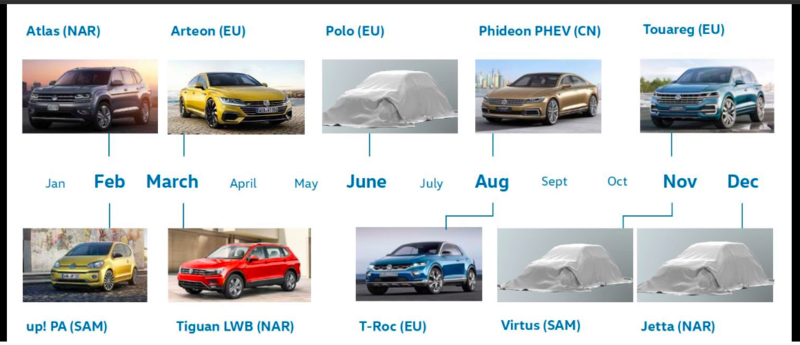
https://i58.servimg.com/u/f58/14/14/63/55/captur17.png Sacado del hilo del SUV B de VW
La gama SUV de Skoda, en China, constará de 4 modelos

https://2.bp.blogspot.com/-z4hDXiecmtU/WNEQzLvLEUI/AAAAAAAA5F4/bDqq9Dz7f2s1NQNQnbdWOlLK_oWutRiKACLcB/s1600/skoda-suv-china.jpg Los que no tienen nombre parece ser que uno seria el Yeti, el otro igual es un SUV mas pequeño, pues dicen que se basa en la misma base, la MQB. Del Kodiaq coupe ya sabiamos que se iba a hacer
http://www.carscoops.com/2017/03/range-of-mysterious-skoda-suvs-heading.html Esta es la planificación 2017-2019
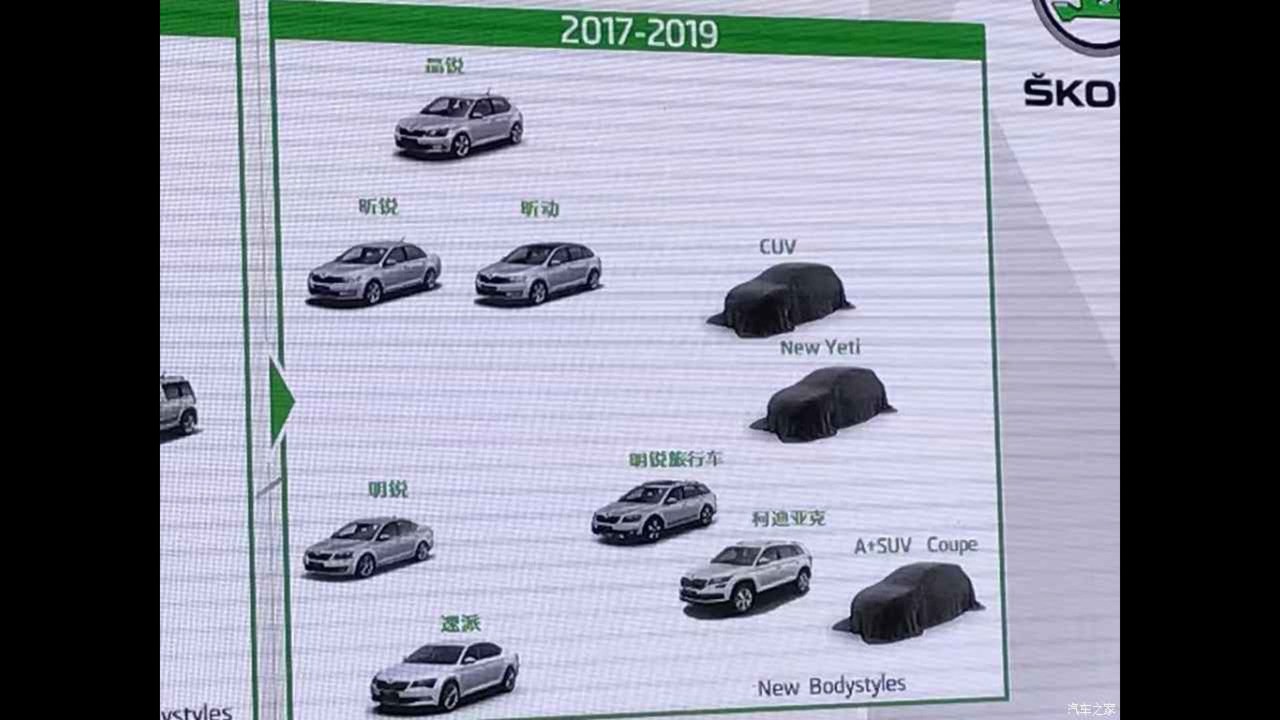
https://s1.cdn.autoevolution.com/images/news/gallery/skoda-teases-new-concept-vehicle-it-s-a-coupe-styled-model-called-vision-e_1.jpg
autoevolution





- Regístrate para participar en el debate, puedes iniciar sesión desde el menú superior derecho o registrándote desde el botón "Regístrate" en el final de la página.