
Etiquetado: Alianza renault, alianza renault nissan, Alpine, Alpine A480 (2021), Automobiles Alpine Renault, Automobiles Alpine Renault: Asociación Renault-Caterham, Avis, Avis alquilará coches eléctricos Renault, Avtovaz da ganancia por primera vez en años, Comienza a fabricarse el nuevo Nissan Juke del que hay 22.500 pedidos, Dacia, Dacia Sandero, Datsun, El Renault Koleos se despide de Reino Unido, El terremoto de Japón desbarata la producción del Nissan Murano CrossCabriolet, Elpais, Entrevista al Director Programa Vehículo Eléctrico de Renault, Francia, Francia confirma que hay un caso 'grave' de espionaje a Renault, Infiniti, Infiniti presentará dos nuevos modelos de la familia M en Pebble Beach, la estrategia ecológica de Nissan, La producción del Megane obliga a trabajar los domingos, Los Renault Clio y Twingo contarán con el dCi 90 FAP, Mahindra, Mañana (30-11-2011) presenta un nuevo modelo, Misterioso teaser de Infiniti y registro de las siglas JX, Mitsubishi, Mitsubishi Alliance, Mitsubishi confirma que el Evo seguirá vivo pero con cambios importantes, Nissan, Nissan adjudica la nueva furgoneta a Barcelona, Nissan aumenta la producción de su planta de Barcelona, Nissan barcelona, Nissan crea la marca Venucia para China, Nissan Leaf: 3.754 solicitudes de reserva en Japón en sólo 3 semanas, Nissan venderá en Asia y EE UU el Twizy que se fabricará en Valladolid, Nissan Zona franca, Noticias, Noticias Alianza Renault-Nissan (C), Noticias Alianza Renault–Nissan–Mitsubishi, Noticias MITSUBISHI, Noticias Renault–Nissan–Mitsubishi Alliance, Planta zona franca, Presentación europea de Fluence ZE y Kango ZE en Sevilla en octubre, Pure Drive, Renace Datsun, Renault, Renault 2016 - Drive The Change, renault 4 air, renault 4 showcar, Renault AIR4, Renault AIR4 Showcar (2021), Renault alcanza el hito de 1 millón de automóviles vendidos en Brasil, Renault Clio, Renault inicia la fabricación del Twizy en la factoría de Montaje de Valladolid, Renault rompe su alianza con Mahindra, Renault Samsung Motors sustituye el manual de instrucciones por un Galaxy Tab, Renault Twizy: éxito de ventas, Road show de vehículos electricos de Renault en Madrid, samsung motors, Se fabricará en Córdoba un nuevo Renault Clio para el Mercosur, Ventas, Venucia, Ya hay 3500 pedidos de particulares para el Twizy
- Este debate tiene 1,117 respuestas, 78 mensajes y ha sido actualizado por última vez el hace 4 días, 13 horas por
 A.P.M..
-
[size size=150]Mitsubishi Motors España cesa la comercialización del Lancer[/size] Lo que le ha ocurrido al Lancer en el mercado español era una muerte anunciada. Desde hace meses, las matriculaciones del compacto japonés no levantan cabeza y Mitsubishi pese a los esfuerzos realizados con las promociones y descuentos, no ha conseguido llamar la atención del consumidor.
Desde febrero el Lancer dejará de ser comercializado en España y sólo estarán disponibles aquellas unidades en stock durante un tiempo limitado. La única versión a la venta desde hace un tiempo está equipada con el motor 1.8 díesel de origen Mitsubishi con 150 CV y en combinación con el cambio manual de seis velocidades. Tras la desaparición de la versión sedán en nuestro mercado, sólo hay unidades del Sportback con cinco puertas.
La actual generación del Lancer llegó al mercado español en el año 2008. Inicialmente se podía adquirir con la carrocería SportSedán y motores de gasolina de 1,5 y 1,8 litros con tecnología MIVEC, y el diesel de origen Volkswagen con 140 CV. Con el tiempo se fue completando la oferta con el nuevo 1.8 diésel de 150 CV y la carrocería Sportback, además de las versiones deportivas Ralliart en algunos países europeos.
Las ventas del modelo en España han sido las siguientes: 2008: 1.104 unidades
2009: 1.794 unidades
2010: 1.451 unidades
2011: 645 unidades
2012: 117 unidades
Las últimas unidades del Lancer disponibles están asociadas al nivel de terminación Motion que incluye el climatizador automático, paquete eléctrico, sensor de parking posterior, sensor de lluvia, radio CD MP3, bluetooth, puerto USB, control de velocidad, llantas de aleación, ordenador de viaje, faros antiniebla, seis airbags, ABS, EBD, ESP, TCS, anclajes ISOFIX y alerón posterior. El precio recomendado es de 25.240 €, si bien sabemos que se están aplicando fuertes descuentos que lo dejan en tarifas cercanas a los 21.000 € e incluso inferiores.Via
http://es.autoblog.com/2013/01/26/mitsubishi-motors-espana-cesa-la-comercializacion-del-lancer/ Si habla de la versión de 5 puertas lo entiendo, si es la versión de 4 pues es una pena, porque esteticamente el coche llama la atención.
Deberian haber hecho mas anuncios para seguir atrayendo a la gente, pero lo han dejado morir…Todos los que he visto por la calle han sido de la versión compacta, no he visto ningún berlina. Copiarón la jugada de Subaru y les ha ido mal, aunque me gustaría saber que tal le ha ido al Imprezza, cuya presencia es casi testimonial en las calles (al menos he visto un par de STi por la calle, cosa que de EVO X ninguno).
[size size=150]Nissan invierte 130 milolones de € y añade 1000 puestos de trabajo en la fabrica de Barcelona[/size] [url url=http://es.autoblog.com/2013/01/29/ahora-si-nissan-fabricara-el-nuevo-almera-en-barcelona/]Ayer[/url] Para empezar, el acuerdo está cerrado, pero supeditado a que la central de Nissan asigne oficialmente el nuevo compacto a la planta de la Zona Franca, algo que debería suceder a lo largo de los próximos siete días. Dada la importancia estratégica del anuncio, es muy probable que además de la nota de prensa que esperamos también se organice alguna especie de rueda de prensa en la factoría barcelonesa.
El nuevo compacto de Nissan supondrá la contratación, según estimaciones, de hasta mil nuevos trabajadores para la línea de producción de manera directa, al tiempo que generará, a buen seguro, un número importante de empleos indirectos.
La inversión estimada para adaptar la planta de la Zona Franca al nuevo modelo se ha estimado en 130 millones de euros.Las nuevas condiciones laborales que se han pactado satisfacen a ambas partes: Por un lado, los sindicatos han logrado blindar los contratos de los empleados actuales, que no reducirán sus ingresos, al tiempo que no podrán ser despedidos para ser sustituidos por nuevos empleados.
Y es que las nuevas contrataciones tendrán un salario un 20% inferior al de los trabajadores ya integrantes de la plantilla. Esto generará un escalón salarial y desigualdades, pero protegerá los intereses de los que ya están en la factoría.
Por otro lado, Nissan buscaba una ampliación de la productividad de la factoría, ya que según el fabricante nipón, la Zona Franca trabaja 46 horas menos al año que otras plantas del grupo situadas en Reino Unido y Francia (Sunderland, de Nissan y las factorías de Renault). Desconocemos el acuerdo que se ha alcanzado a este respecto, pero sabemos que sobre la mesa estaba la ampliación de los días laborales en siete, y un incremento de la jornada laboral de unos ocho minutos diarios.
Según nuestras fuentes, podemos dar por hecho que el nuevo compacto se fabricará en Barcelona, por tanto, pero no se puede descartar la ínfima posibilidad de que la administración central de Nissan prefiera tratar de renegociar alguno de los aspectos pactados, lo que podría complicar esta asignación de nuevo.
http://es.autoblog.com/2013/01/30/mil-puestos-nuevos-de-trabajo-y-130-millones-de-inversion-para-l/ enorme noticia, 1000 puestos (más industria indirecta). se trata del nuevo Almera/Tiida para Europa no?
enorme noticia, 1000 puestos (más industria indirecta).
se trata del nuevo Almera/Tiida para Europa no?
Si, el nuevo compacto de la marca. Veremos a ver lo que sacan, porque si es lo que vimos, como que menudo engaño nos quieren meter…enorme noticia, 1000 puestos (más industria indirecta).
se trata del nuevo Almera/Tiida para Europa no?
Si, el nuevo compacto de la marca. Veremos a ver lo que sacan, porque si es lo que vimos, como que menudo engaño nos quieren meter…Pienso como tu Xavi
En todas las grandes empresas estan buscando abaratar costes, con la excusa de supuestas perdidas
[size size=150]El compacto de Nissan se fabricará en Barcelona[/size] Nissan acaba de convocar una rueda de prensa a las 12:30 de este medio día en la planta de la Zona Franca para confirmar lo que ya te contamos la semana pasada aquí mismo: el nuevo compacto de la marca nipona se fabricará en Barcelona.
Artur Mas, Luís Valero, y Frank Torres (vice-presidente de operaciones industriales de Nissan en España), serán los encargados de detallar esta adjudicación, que se ha logrado tras el acuerdo de la semana pasada con los empleados.
El nuevo modelo a fabricar complementará la gama del fabricante nipón en el segmento C, sirviendo de apoyo al Qashqai, ofertándose como un modelo más convencional.
http://es.autoblog.com/2013/02/04/nissan-confirma-la-produccion-de-su-nuevo-compacto-en-barcelona/ ampliamos… [size size=150]La Zona Franca se queda tres contratos con Nissan[/size] Tres buenas noticias en una sola se han anunciado esta medio día en la factoría de la Zona Franca de Barcelona, por parte de Nissan. La primera es la ya conocida de sobras, porque te la hemos repetido hasta la saciedad: el nuevo compacto del segmento C de la marca nipona se producirá en Barcelona.
Este complemento del Qashqai se planteará como un compacto «convencional», al estilo de lo que en su día fue el Nissan Almera. Se montará sobre la misma plataforma compacta de la próxima generación de los Megane y Qashqai, y estéticamente evolucionará el concepto ya visto en el nuevo Note, con laterales más esculpidos y la calandra característica de la marca.
Nissan espera producir 80.000 unidades anuales de este nuevo compacto, lo que no es una cifra espectacular, pero sí suficientemente ambiciosa como para abrirse un hueco en el segmento más competido de Europa, donde ahora mismo coloca nada menos que 207.855 Qashqais al año.
Con esta medida Nissan reforzará su enfoque comercial doble: fabricar coches de nicho «aspiracionales» (Juke, Qashqai, Hi-Cross, Murano) y cubrir el mercado «convencional» con productos «generalistas» (Pixo, Micra, Note, este nuevo compacto…).
La producción del nuevo compacto arrancará en 2015, por lo que deberíamos verlo en algún salón internacional el año que viene.
Pero las buenas noticias no acaban ahí. Nissan también ha adjudicado un extra de producción anual de 24.500 unidades a las 70.000 ya comprometidas de la próxima generación de la pick-up (Navara, pero conocida de momento bajo el código «One Ton») de la marca, destinadas principalmente a mercados árabes (la demanda de las pick-up en Europa está de capa caída).Por último, la división de transmisiones situada en la misma factoría de la Zona Franca se quedará con la producción de cajas reductoras del Nissan Leaf (y de la eNV200), ahora que el eléctrico comenzará a producirse en Sunderland. De esta manera, Barcelona colaborará con la planta británica, proveyéndola de este mecanismo.
Gracias a estas tres adjudicaciones, Nissan espera crear 1.000 empleos directos, 3.000 indirectos, garantizar la estabilidad de la plantilla (de no haber llegado esta triple adjudicación, había la posibilidad de perder hasta 750 empleos), y convertir en empleados fijos a 170 de los 400 trabajadores temporales que hasta la fecha operaban en la factoría.
http://es.autoblog.com/2013/02/04/la-zona-franca-se-queda-tres-contratos-con-nissan/ [size size=150]Carlos Ghosn se rebajará su prima anual un 30% durante los proximos 3 años si los sindicatos aceptan un nuevo acuerdo laboral[/size] Renault-Nissan CEO Carlos Ghosn has promised to lower his annual bonus by 30 percent for the next three years if the automaker’s trade unions accept a controversial labor deal. Ghosn made the decision in response to a wave of criticism from the French government.
The CEO said that he is willing to take the pay cut in order to set an example for white- and blue-collar workers that are being asked to do the same, but he will only keep his promise if the terms of the proposed labor deal are accepted and fully applied. In addition to a pay freeze, the deal would make it mandatory for employees to work longer hours and to move from factory to factory when requested.
French newspaper Les Echos estimates that pay cut represents about €430,000 a year, which converts to roughly $577,000.
Interviewed this morning by radio station France Info, Arnaud Montebourg, the minister who publicly asked Ghosn to «make an effort» on his salary last month, said that he is not fully satisfied with the CEO’s announcement.
«It’ll help but it’s not enough,» said Montebourg, who pointed out that the government has its word to say because it owns 15 percent of Renault.
Representatives from the automaker’s trade unions were not satisfied, either, and accused Ghosn of being arrogant.
«It’s absolutely ridiculous, [Ghosn] will still earn about €26,000 a day,» said Ali Kaya, a spokesman for the CGT trade union.
http://www.leftlanenews.com/renault-ceo-promises-to-trim-annual-bonus-by-30-percent.html [size size=150]Renault anuncia sus resultados de 2012 con ganancias en sus cuentas[/size] 729 millones de euros de ganancias brutas, antes de impuestos, es el balance total de 2012 para Renault, bajando desde los 1.090 millones de euros de 2011.
Estas ganancias se corresponden con el 1,8% del total de la facturación de la compañía, y tienen su «extra» (no incluido en las mismas), sobre todo, en la venta del 6,5% de Volvo AB, el fabricante de camiones, que todavía controlaba. La operación, que se cerró en diciembre, supuso unos ingresos de 1.480 millones de euros, ayudó a que la facturación combinada del grupo haya quedado en números positivos, con cifras de 1.490 millones de euros de «flujo positivo» en la caja de la casa del rombo.
La división puramente automovilística de Renault registró, en todo caso, pérdidas por valor de 25 millones de euros, algo que es «poca cosa», sobre todo cuando lo comparamos con el varapalo que se ha llevado PSA.
Las ventas de Renault y Dacia cayeron un 6,3% en el conjunto global, pero la firma francesa espera recuperar parte del camino perdido gracias a la renovación del Clio y de la nueva gama de Dacia.
Lo cierto es que «con la que está cayendo», los resultados de Renault son sorprendentemente buenos.
http://es.autoblog.com/2013/02/14/renault-anuncia-sus-resultados-de-2012-con-ganancias-en-sus-cuen/ Novedades o posibles novedades de la gama R.S., ya que según Patrice Ratti (jefe de Renault Sport Technologies) quieren aumentar la familiar a 4 o 5 modelos
Ya han hablado un poco del proximo[url url=http://cochespias.net/viewtopic.php?f=1&p=445244#p445244]Megane IV R.S.[/url] Aparte de esto, quiere aumentar el numero de unidades vendidas de R.S., para ello, intentará ampliarlo a nuevos mercados
http://www.autoexpress.co.uk/car-news/geneva-motor-show/63005/renault-reveals-rs-plans [size size=150]Nuevo acuerdo entre Renault y los sindicatos franceses, y algunas novedades[/size]
L’accord de compétitivité a été signé aujourd’hui entre les 3 syndicats FO, CFE-CGC et CFDT et la direction de Renault lors d’un comité central d’entreprise. En marge de la réunion, Carlos Ghosn s’est félicité de cet accord et a employé un vocabulaire guerrier pour évoquer l’avenir de Renault qu’il voit nettement plus rose que ce qu’il est aujourd’hui.Carlos Ghosn a accordé un entretien au journal Les Echos dans lequel il parle de Renault et de la signature de l’accord de compétitivité qui a eu lieu aujourd’hui. Le patron de l’Alliance Renault-Nissan se veut optimiste et ambitieux.
Pour lui, cet accord est d’une importance capitale « car il n’y avait pas de plan B ». En d’autres termes, il fallait absolument convaincre les syndicats pour permettre à Renault de consolider sa base industrielle en France qui passera de 530 000 voitures produites en 2012 à 710 000 en 2016 et ainsi appuyer le redéveloppement de la marque sur celle-ci. Pour Carlos Ghosn, l’accord résout les problèmes actuels et prépare le long terme en permettant 500 millions d’euros d’économie par an mais aussi des économies indirectes difficiles à chiffrer.
« La base opérationnelle France démontre à tous nos partenaires industriels qu’elle peut redevenir compétitive. Les usines françaises redeviennent crédibles et attractives. Renault ne doit plus partir à l’assaut de l’international la fleur au fusil. Envoyer des mercenaires pour conquérir une colline et planter en fanfare un drapeau ne sert à rien. Quand on s’internationalise, il faut pouvoir s’appuyer sur une infanterie qui occupe le terrain. Il ne faut pas se précipiter, il faut se préparer pour conquérir rapidement des parts de marché et viser une rentabilité économique»S’il estime que « le marché européen a sans doute touché le fond en ne représentant plus que 18% du marché mondial (contre 30% en 2000) », il avoue aussi que « 2013 démarre sur des bases plus faibles qu’attendues ». Il a tout de même rassuré en affirmant que « le plan était bâti pour traverser un environnement sans croissance du marché. »
Concernant l’inquiétude des ouvriers qui voient là le début d’une paupérisation de leur catégorie, Carlos hosn répond que « l’objectif n’est pas d’aligner la France sur des pays à faibles coûts de main-d’œuvre mais d’atteindre une compétitivité comparable aux meilleurs en Grande Bretagne aux USA ou en Espagne ».
«L’Europe est notre marché naturel et nous avons l’intention de reconquérir notre titre de numéro 2 européen. À l’international, nous travaillons en Inde sur le sub-entry, le low cost pour les pays émergents. Nos premiers modèles seront lancés en 2014, ils répondront aux 30% de la demande des pays émergents pour qui la gamme Entry (Dacia) est encore trop chère. En Chine, nous allons effectuer le démarrage le plus rapide jamais réalisé. Le terrain est préparé, l’infanterie est prête ! Quant à nos ambitions dans le Premium, elles sont toujours d’actualité. Le Premium c’est 12% des volumes mais 50% des profits, on ne peut passer à côté et vous le verrez avec le prochain Espace l’an prochain. »
http://www.caradisiac.com/L-accord-de-competitivite-signe-Carlos-Ghosn-part-en-guerre-85184.htm Traducido por google
El acuerdo firmado competitividad, Carlos Ghosn va a la guerraEl acuerdo fue firmado hoy entre la competitividad de los tres sindicatos FO, CFDT y CFE-CGC y la gestión de Renault en un comité central de empresa. Al margen de la reunión, Carlos Ghosn dio la bienvenida a este acuerdo y emplear un vocabulario guerrero para discutir el futuro de Renault ve mucho más rosa de lo que es hoy.
Carlos Ghosn dio una entrevista al diario Les Echos, en las que habla de Renault y la firma de la competitividad que ha tenido lugar hoy. El jefe de la Alianza Renault-Nissan es optimista y ambicioso.
Para él, este acuerdo es de suma importancia «porque no había plan B». En otras palabras, era esencial para convencer a los sindicatos para que Renault para fortalecer su base industrial en Francia aumentó de 530.000 vehículos producidos en 2012 a 710.000 en 2016 y así apoyar la reconstrucción de la marca en este caso. Carlos Ghosn, el acuerdo resuelve los problemas actuales y se prepara a largo plazo por € 500 millones de ahorro por año, sino también ahorros indirectos difíciles de cuantificar.
«La base de operaciones en Francia demuestra nuestros socios industriales que pueden llegar a ser competitivo. Plantas francesas vuelven a ser creíble y atractiva. Renault ya no de la embestida de violeta internacional reduciendo. Enviar mercenarios para conquistar una colina y plantar una bandera en fanfarria es inútil. Cuando se internacionalizan, debe ser apoyada por la infantería que ocupa el campo. No se apresure, hay que prepararse para ganar cuota de mercado rápidamente y el objetivo de rentabilidad «Él cree que «el mercado europeo probablemente ha tocado fondo en la representación de sólo el 18% del mercado mundial (contra el 30% en 2000)», también admite que «2013 comienza en bases más débiles de lo esperado» . Todavía tranquilizó diciendo que «el plan fue construido para cruzar un crecimiento medio del mercado libre. ‘
La preocupación por los trabajadores que ven este principio del empobrecimiento de su categoría, Carlos Hosn respondió que «el objetivo no es llevar a Francia a los países con bajos costes laborales, sino lograr una competitividad comparable a los mejores de Gran Bretaña en los EE.UU. o España «.
«Europa es nuestro mercado natural y tenemos la intención de recuperar nuestro número de título 2 en Europa. A nivel internacional, estamos trabajando en la India en la sub-entrada, el bajo costo para los países en desarrollo. Los primeros modelos se lanzarán en el 2014, van a cubrir el 30% de la demanda de los países emergentes para que la gama Entry (Dacia) es demasiado caro. En China, vamos a hacer arrancar el más rápido nunca. El terreno está preparado, la infantería está listo! Sobre las ambiciones de la prima, siguen siendo válidas. La prima es del 12% del volumen, pero el 50% de los beneficios, no te puedes perder y verá con la siguiente zona el próximo año. ‘
[size size=150]Nissan reducirá en un 15% el peso de sus vehiculos[/size] Nissan has announced a new initiative to drastically cut vehicle weight over the next few years. Nissan’s plan calls for the use of high-strength steel in up to 25 percent of all new vehicle parts.
High-strength steel is nothing new to the auto industry, but its applications have been somewhat limited. High-strength steel has proven to be great for saving weight, but can be very difficult to mold into complex shapes.
However, Nissan has solved that issue with the development of a new 1.2 GPa ultra high strength steel. The new 1.2 GPa steel retains all the structural benefits of typical high-strength steel, but offers a higher degree of formability and greater elongation, allowing it to be used for parts with complex shapes.
Moreover, Nissan says its current production lines can be modified to use the new steel without any major investments.
Nissan will begin the widespread use of 1.2 GPa steel in 2017. Nissan says the new material should trim its average vehicle weight by about 15 percent.
General Motors recently announced that it is also looking to cut weight by 15 percent through the use of advanced materials.
http://www.leftlanenews.com/nissan-to-used-high-strength-steel-to-cut-vehicle-weight.html La cuestión es saber qué modelos serán los que vean reducido su peso, ya que pueden ser los americanos, los europeos, todos…
Creo que es una decisión que están tomando todas las marcas para cumplir la normativa anticontaminación. Todo lo nuevo que está llegando es más ligero que su predecesor.
Toca reducir peso y obtener mejor aerodinámica
El nuevo motor 1.2 energytce 130cv (ya puesto en los hilos del Megane y Scenic)
nota de prensa, en inglés
http://i46.tinypic.com/16k1jsz.jpg Continuing the renewal of its range of downsized engines, Renault welcomes its ninth Energy engine. Designated Energy TCe 130, this petrol new engine is a more powerful derivative of the Renault Energy TCe 115 and takes over from the former 1.4-litre TCe 130. It is due to go on sale in April under the bonnet of New Mégane, New Scénic and New Grand Scénic.
Energy TCe 130: a 1.2 turbo petrol engine tailored for the open road
With a power output of 130hp at 5,000rpm and peak torque of 205Nm at as low as 2,000rpm, this 1.2-litre turbo petrol engine is equipped with latest-generation direct injection and offers the performance of a normally-aspirated two-litre powerplant, making it ideal for use on major roads.
Thanks to the Energy technologies it employs, some of which are
derived from Renault’s F1 experience, its fuel consumption represents a saving of between 15 and 20 per cent – depending on models – compared with the engine it replaces, which equates to more than one litre saved for every 100km covered.
This responsive and extremely smooth new engine picks up eagerly from low revs, making it a pleasure to drive. At the same time, it is easy to forget thanks to its silent operation and unobtrusive ultra-rapid Stop&Start system.Fuel savings of more than 1L/100 km and CO2 emissions reduced by up to 20%
In addition to standing out as the market’s highest-performing 1.2 litre petrol engine, the Renault Energy TCe 130 also shines when it comes to making savings at the pump thanks to a reduction in fuel consumption of 20%*compared with the TCe 130. The Energy TCe 130 version of New Scénic Xmod returns combined-cycle fuel consumption of just 6.2 litres/100km*, while that of New Mégane Hatchback with the same engine is 5.4 litres/100km*, an improvement of more than 1 L for every 100km travelled. That equates to CO2 emissions of only 124g/km* for New Mégane Hatchback (down 29g/km) and 140g/km*in the case of Scénic Xmod.
Running costs have consequently been reduced significantly, while the lower CO2 emissions allow customers in some countries to benefit from state subsidies or tax incentives. At the same time, servicing has been facilitated by an oil-change interval of 30,000km (with ecological oil filter) and lifetime timing chain. Made for the open road, this 1.2 litre petrol turbo engine stands comparison with diesel power for annual distances
travelled of up to 25,000km or 30,000km (based on French statistics).Packed with technologies
The Renault Energy TCe 130 benefited from a particularly thorough acoustic refinement process, the result being a smooth, muted sound profile, even at high engine speeds.
The engine features the same technical specifications as the Energy TCe 115 petrol engine. Features like direct fuelinjection, turbocharging, an integrated turbo manifold and variable valve timing combine to deliver maximum torque at low revs and ensure the availability of torque across a broad effective rpm range. Fuel is injected directly into the combustion chamber for optimum efficiency as a function of the running conditions, the advantage for the customer being
valuable fuel savings and reduced CO2 emissions.Enfin le Energy TCe 130 bénéficie d’un Stop&Start avec démarrage ultra-rapide. Le système détecte la position exacte des pistons et injecte le carburant dans le cylindre le plus favorable à une mise en action instantanée du moteur. L’énergie « gratuite » stockée grâce au système de récupération d’énergie au freinage est utilisée pour recharger la batterie et assurer les redémarrages.
The Energy TCe 130 engine is equipped with a Stop&Start with ultra-rapid restart. Sensors in the system detect the precise position of each piston and inject fuel into the cylinder that is best placed to restart the engine instantaneously. The ‘free’ energy recovered and stored under braking is used to charge the battery and restart the engine.
* Homologated fuel consumption and emission values in accordance with appropriate legislation.http://www.renault.com/en/innovation/gamme-mecanique/pages/energy-tce-130.aspx [size size=150]Renault presentará 2 concept en el festival de Goodwood (11 al 14 de Julio)[/size]
Llevará muchos modelos, pero entre ellos, 2 concepts. Uno de gasolina y otro electrico
http://www.worldcarfans.com/113032255543/renault-confirms-two-new-concepts-for-goodwood nota de prensa, en inglés
RENAULT AT THE 2013 GOODWOOD FESTIVAL OF SPEEDThis year’s Goodwood Festival of Speed sees Renault following its substantial 2012 appearance with a celebration of its highly successful, 35-year long commitment to Formula 1, the revival of the famous Alpine sports car brand and the showcasing of an exciting array of new road cars, including two yet-to-be-seen concept models. The event will be held from 11th to 14th July in the grounds of Goodwood House, 60 miles south of London.
Landmark vehicles from Renault’s sporting heritage include the 1978 RS01 that was the first turbo F1 car, the sensational 1978 Le Mans-winning Alpine A442B, the stylish 1977 Groupe 5 Alpine A310 rally car, the enormous and extraordinary-looking 1926 Renault 40CV ‘des records’, a 1902 Renault Type K that was one of the world’s earliest racing cars, and the dramatic Renault 5 Maxi Turbo of 1984.
Making their UK debut at Goodwood, and guaranteed to draw crowds, will be two new sports concept cars, one of which will be 100% electric
Besides these surprises Renault’s main Goodwood stand will showcase the four examples of Renault RS27-powered F1 cars from the 2013 championship, including the race-winning Lotus E21, the Red Bull RB9, the Caterham CT03 and the Williams FW35, as well as an array of exciting new road cars. These include the much-anticipated Clio Renaultsport 200 Turbo EDC, the handsome new Renault Captur crossover and the stylish Renault ZOE.
Renault is bringing famous drivers too, including legendary four times F1-championship winner Alain Prost, Monte Carlo rally winner Jean Ragnotti, and Susie Wolff.
Goodwood: Racing through time and a country house garden
Renault has long been an enthusiastic participant in the Goodwood Festival of Speed, appearing on six consecutive occasions from 2001 to 2006, before making a comeback in 2012 after a five-year break. The company’s 2013 appearance coincides with the 20th anniversary of this now world-famous and much-loved event, and promises to be one of the most eye-catching yet.
Held in the grounds of Goodwood House, an elegant and historic country residence nestling amid England’s picturesque South Downs, the Festival provides the startling sight of racing cars charging through its bucolic grounds, the house’s driveway turned into a dramatic, challenging and rather beautiful hillclimb venue.
Racing cars and Goodwood have been synonymous for decades, the first motorsport event occurring in 1936 when the ninth Duke of Richmond organised a hillclimb through the house’s grounds. World War 2 brought this pursuit to a close, but also saw the construction of a nearby airfield whose perimeter road would eventually be turned into the famous Goodwood circuit. The first race was held in 1948 and the last in 1966, and when the Charles Gordon-Lennox, the current Earl of March and a major car enthusiast was prevented from reviving races at the circuit, he decided to stage his own Festival of speed in the grounds of Goodwood House. The first event attracted 30,000 visitors, and it now draws 180,000, many considering it the finest motoring event in Britain.
Besides the hillclimb there is also a concours d’elegance, a pavilion of concept cars and technical exhibits of the future, an air display, events for younger visitors and much more. A highlight of the event remains the paddock, where fans can stand mere inches from some of the most famous racing cars in history and better still, meet their drivers.
RENAULT – 115 years of history, underpinned with a unique commitment and passion for Motor Sport
Renault has raced for almost as long as the company has been alive. In 1902 a Renault Type K won its first victory in the Paris-to-Vienna road race, propelled by a four cylinder engine producing slightly more than 40 horsepower. It beat the more powerful Mercedes and Panhard racers because they broke down, proving very early on that to finish first, first you have to finish. In the same year Renault patented the turbocharger, something it had not forgotten when in 1977 it was the first manufacturer to race a turbocharged Formula One car. The RS01 was initially nicknamed the ‘Yellow Teapot’ by amused rival teams, but intensive development eventually saw it scoring fourth place in the 1978 US Grand Prix, and a pole position the following year. Within three years of the Yellow Teapot’s arrival most rival teams were also using turbochargers.
Although today’s Renault RS27-2013 engine is a normally aspirated V8, as required by the regulations, from 2014 it will be replaced by a highly advanced, downsized 1.6-litre turbocharged V6 featuring a pair of powerful energy recuperation systems that feed twin electric motors. These include an Energy Recovery System (ERS-K) that harvests Kinetic energy, and a second Energy Recovery System (ERS-H) that captures Heat. The aim is to deliver the same power as the 2013 V8 engine delivers using a V6 turbo and twin electric motors, to use 40percent less fuel.
Developing competitive power outputs while using less fuel is precisely the goal Renault is striving for in the road car world, the 2014 F1 rules perfectly matching a powertrain strategy founded on the company’s unrivalled commitment to electric motors, coupled to the intensive development of the internal combustion engine . The aim? Spectacular fuel consumption, and major CO2 efficiency gains. A drop of fuel means as much on the track as it does on the road, and Renault’s expertise lies in extracting the maximum energy from it.
And this is why Renault participates in the most competitive motorsport arena in the world. What it learns from engine development feeds directly into its road car programmes, both by adopting F1 technologies and by moving its engineers between the two disciplines. It’s a highly successful strategy that has not only yielded 11 titles, 152 victories, 202 pole positions and 283 podiums during the company’s current 35-year participation in F1, but also a long and impressive run of Renault road cars that sit at the forefront of automotive technology. And reliability too, what Renault has learnt from developing an F1 engine that revs to 18,000rpm regularly for lap-after-lap, transferring directly to its production engines.
Advanced engine technology not only produces highly efficient performance, but also road cars that make an exciting drive. Every Renault with an Energy engine comes with the thrilling power delivery of a turbocharger, and has been engineered by men and women with a genuine passion for cars. The same engineers work in the disciplines of both the race and road cars worlds, and they don’t forget what they know of one when they’re working in the other. Which is why a strong vein of motorsport DNA courses through the heart of every Renault, be it a classic Alpine A310, a Renault 5GT Turbo or today’s latest Clio and Captur.
Excitement on the track means excitement on the road
Renault will showcase no less than three major new models at Goodwood this summer, including the much-anticipated Clio Renaultsport 200 Turbo EDC, the stylish new Captur compact crossover and the revolutionary electric ZOE. Not only that, but there will also be two previously unseen, performance-oriented concepts on show, one of which will be 100% electric.
Plenty of Goodwood Festival-goers will make a beeline for the latest Clio Renaultsport, this hot hatch enjoying a legendary reputation for out-handling exotic machinery costing vastly more. The latest version – now 36kg lighter for an all-up weight of only 1204kg – sprints to 62mph in a spectacular 6.7 seconds and will spear 143mph. A 200hp, direct-injection 1.6 turbo engine produces the power behind this performance via a new six-speed, paddle-shift, dual-clutch transmission, which is supplied with a fat 240Nm torque that streams unabated from 1650-5500rpm. Three driving modes – two of them reducing throttle lag and raising the idle speed – trick hydraulic compression control shock absorbers that blend a supple ride with extraordinary body control, an R.S. diff and a Launch Control system ensure that this latest Renaultsport Clio will be even more exciting than its illustrious predecessors. And yes, there’s an optional, keenly priced Cup chassis option too.
Capturing eyes
Just as eye-catching is the Renault Captur, a new and particularly stylish supermini crossover that combines the high-set seating of an off-roader with the space and versatility of a small MPV, and the handy manoeuvrability of a small hatchback besides. An athletic stance that positions the wheels sportily close to the bodywork, doors shaped to prevent shoes and clothes from getting muddy when you step in and a colourful, high quality interior finish underline the attention to detail that characterizes this car. Handy features include optional unzippable seat covers, a sliding rear seat, a multi-position boot floor, and Renault’s new R-link infotainment system.
Like the Clio, the Captur features turbocharged Energy engines, including a TCe 90 petrol and dCi 90 diesel. This is also a car that you can personalise. Two-tone paint schemes, exterior graphics, light and dark interior trim themes and optional highlights in grey, ivory, chrome, orange, green or blue give the interior an appealingly distinctive character, as do décor packs that coordinate with the optional exterior graphics.
Like the new Clio and the ZOE, the Captur is a striking car, and Renault’s chief designer Laurens Van Den Acker will be appearing at this year’s Goodwood Festival of Speed to explain his already widely admired design strategy for the marque.
Electric Style
Just as distinctive as the Captur is Renault’s stylish new ZOE, an electric car that promises to attract new buyers to this growing segment. With prices starting at only £13,650 after the government’s subsidy, the ZOE is the most affordable, purpose-designed electric car on the market. It also has the biggest range, which is officially homologated at 130 miles, and has also been awarded the full NCAP five stars for occupant protection. A five-door hatchback of particularly appealing lines, the ZOE debuts no less than six ‘world premiere’ features and carries 60 patents, all of them aimed at enhancing its range, user-friendliness and connectivity.
A 65kW (88hp) electric engine provides the ZOE with particularly strong low-speed acceleration thanks to its instant 220Nm of torque, while its top speed is limited to 84mph. Recharging takes between 30 minutes and nine hours using Renault’s patented Chameleon charger, which is compatible with both the fast-charging stations that provide a fast 30 minute charge, and a domestic overnight supply.
ZOE is available in three trims levels called Expression, Dynamique Zen and Dynamique Intens, all three including the Range OptimiZEr package that provides regenerative braking, a heat pump and Michelin Energy E-V tyres, all three features contributing to the 130 mile NEDC range that, in real world use, would be typically around 90 miles in temperate conditions. Battery pack rental costs from just £70 a month, and in combination with the low cost of the energy required to charge, makes the ZOE very cheap to run. Renault has become the first car manufacturer to offer a free domestic charging point with a new electric car purchase. The free Single Wall-box, supplied and installed by Renault’s preferred electric vehicle charging partner, British Gas, is supplied and installed free of charge to ZOE customers.
R-Link super-connectivity
Apart from their style, a common feature to the Clio Renaultsport 200 Turbo EDC, the Captur and the ZOE is Renault’s innovative and hugely useful new R-Link infotainment system, which provides an impressive level of connectivity for the drivers of these cars. This multi-media tablet is also available in the new Clio hatchback and the new Kangoo van range too. Either fitted as standard or available for a very reasonable £450, this impressive and attractive tool is designed to appeal to those with an interest in new technologies, and equally, to be useful and easily understood for those that aren’t.
A key aim behind its design has been to avoid the need to use a small pile of portable devices to make phone calls or listen to music while on the move. So R-Link provides Bluetooth telephony, navigation, a radio, music streaming and connectivity to music devices, as well as connection to a series of vehicle-related services. Customers can tailor R-Link to suit their particular needs by subscribing to a variety of services – including TomTomLive – and downloading as many as 50 apps. The system itself is controlled by a clear and intuitive touchscreen, a set of steering wheel-mounted controls and a series of voice commands to ensure that the driver’s eyes remain on the road. R-Link is one of the most advanced and attractive infotainment systems on the market, and one of the most affordable too.
Some of its more unusual features include an app allowing you to compare the prices of the nearest 10 fuel stations, an Eco-coaching programme, a Yellow Pages search and when the car is stationary, the ability to tweet or play Sudoku. And for drivers of electrically-propelled Renaults, it helps you optimize your range, route and battery charge, and can guide you to the nearest charging station using TomTom Z.E. Live navigation.
Clean Energy
Leading-edge technology of a different kind is to be found under the bonnets of a variety of Renaults featuring the latest Energy engines, which harness technology developed on track, on road and in the laboratory. Renault has now launched its ninth engine in the Energy series with the Energy TCe 130, which replaces the 1.4 TCe 130 engine, to be available from April in the New Mégane, the New Scenic and the New Grand Scenic.
This down-sized, direct injection, variably valve-timed 1.2 litre turbo yields an impressive 130hp at 5000rpm and 205Nm of peak torque from a low 2000rpm, to produce performance equivalent to a normally aspirated 2.0 litre. More than that, it generates fuel savings of between 15 and 20 percent depending on it application. A lively, smooth and eager drive, it also features a fuel-saving stop-start system and in the Mégane hatchback, achieves a combined consumption figure of 52.3mpg, and CO2 emissions of just 124g/km.
Like all the Energy engines, the TCe 130 features thermal management systems, a variable displacement oil pump, a turbocharger, diamond-like low friction coatings for the cam followers and graphite coatings for the piston skirts, as with Renault’s F1 engines. There has been plenty of emphasis on refinement too, noise reduced by up to 50 percent compared to the power units these Energy engines replace. An overarching goal of the Energy engine programme is to reduce Renault’s range CO2 emission, and by the end of 2013 this average is expected to fall below 120g/km – an impressive result.
Alpine relaunch to scale new heights
It’s 40 years since the Alpine A110 sports car won the Monte Carlo rally, and you can see one of these compact, low-slung and strikingly beautiful coupes on Renault’s main Goodwood stand. Renault is relaunching the famous marque with an ambitious programme that will see the launch of an all-new model co-developed with British sports car maker Caterham in 2016, as well as an exciting motorsport programme, kicking off this year, that includes contesting the Le Mans 24 hour race – which Alpine won outright in 1978 – and the European Le Mans (ELM) race series. Alpine has contested the Le Man 24 hour race no less than 11 times between 1963 and 1978, fielding a total of 55 cars over the period with class wins and victories in the Energy Index and Performance Index categories on several occasions.
Alpine’s rebirth has already got off to an excellent start, an A110 winning the Monte Carlo Classic rally earlier this year. One of the five-car team was an A110 co-driven by Renault COO Carlos Tavares and Jean-Pascal Dauce. For the return to Le Mans Alpine has joined forces with Signatech, which will enter an Alpine LMP2 chassis powered by a 500bhp Nissan engine for the five rounds of the ELM series.
[size size=150]Se retrasa la apertura de la fabrica de Renault en China[/size] Parece ser que el gobierno chino todavia no ha dado el visto bueno a la asociación con Dongfeng Motor (que ya está asociado con PSA y Nissan) y eso que era para este mes, asi que Renault y Donfeng tienen paralizada la fabrica que ha creado para fabricar 150.000 modelos y que ha costado 870 millones de euros. Con ello conseguiria bajar los precios de los vehiculos al no tener que pagar altos impuestos
Esperan que para el 2º trimestre les den la luz verdeL’implantation de l’usine en Chine retardée
Alors que Nissan est déjà très implanté en Chine, Renault de son côté arrive à peine sur ce marché en pleine expansion. Pour ce faire, Renault doit implanter une nouvelle usine localement, chose qui était prévue, mais qui attend cependant un accord.L’affaire devait être réglée en ce mois de mars, mais pourtant, les autorités chinoises tardent à donner leur accord.
Cette usine dont le coût est chiffré à 870 millions d’euros, résultat d’une co-entreprise avec le groupe chinois Dongfeng Motor (second constructeur du pays et qui est déjà allié à Nissan et… PSA), permettra à terme à Renault de produire localement 150 000 véhicules par an et certainement des véhicules électriques, évitant ainsi les lourdes taxes sur les produits importés.
«Nous attendons le feu vert définitif des autorités chinoises au deuxième trimestre 2013», annonce t-on du côté de Renault. A suivre donc.
Pero no fabricaban ya en china?? Porque algunos modelos parece que los hacian alli…jejeje
Pero no fabricaban ya en china??
Porque algunos modelos parece que los hacian alli…jejeje
Que cabroncete jajajaja. No, lo que llega a China lo hace desde corea. Cuando abra la planta de alli, podrá empezar a rebajar costes y vender mas. Y encima en el salón de Shangai de este han han llevado el concept Alpine A11-50, supongo que será un buen mercado potencial para conseguir las unidades que quiere vender Renault.Creo que esto viene aqui, ya que Autovaz es de Renault [size size=150]Autovaz cuadruplica sus beneficios en 2012[/size] Avtovaz, le premier constructeur automobile russe qui commercialise notamment la marque Lada et dont Renault et l’Alliance prennent progressivement le contrôle du groupe, a multiplié son bénéfice net par quatre en 2012.
Excellente nouvelle pour Renault donc et conforme aux espoirs placés dans le marché russe il y a quelques années. Malgré un recul de ses ventes de près de 7% (537 000 unités) dans un marché en hausse de 11% (2,9 millions d’unités), Lada a enregistré un bénéfice net de 720 millions d’euros, contre 165 millions en 2011.
Pour faire face à la baisse de ses ventes, Renault continue le renouvellement de la gamme, avec notamment l’arrêt de l’antique Fiat 124 de… 1966.
Grâce à une toute nouvelle ligne de production pour des véhicules basés sur la plate-forme de la Logan, l’usine géante (environ 70 000 personnes) d’Avtovaz produit des véhicules pour Nissan, et prochainement pour le compte de Renault avec un objectif d’un million de véhicules produits d’ici 2017.
Pour 2013, et même si Renault refuse de confirmer l’information, l’Alliance aurait abaissée ses objectifs de production de près de 30% (70 000 vs 100 000 véhicules) la faute à une croissance ralentie.[size size=150]Renault aumenta un 22.4% sus ventas en China en 2012[/size] Consigue unas ventas de 29,724 vehiculos, contando que, de momento, no está asociada a ninguna marca china, aunque eso deberia acabarse pronto cuando pueda poner en marcha la fabrica conjunta con Dongfeng
Esto es gracias al exito del Koleos y las berlinas grandes Latitude y Talisman
Además, para aumentar el numero de ventas, tiene pensado pasar a 170 concesionarios en 2014 (95 en 2012)http://www.media.renault.com/global/en-gb/renault/Media/ShortNews.aspx?mediaid=46703 [size size=150]Renault fabricará el Nissan Micra en Francia[/size] [youtube]DRYx_bqzzns[/youtube] nota de prensa, en inglés
NEXT GENERATION EUROPEAN COMPACT CAR FROM NISSANYokohama, Japan (April 26, 2013)– Nissan Motor Co.,Ltd. today announced that the replacement for the current Nissan Micra compact car will be manufactured at a Renault plant in Europe. Due to start production in 2016, the vehicle will be exported across Europe’s left-hand drive markets. Under the Nissan Power 88 six-year business plan, the company will launch, on average, one new model every six weeks for the duration of the plan. Consequently, available capacity across the relevant plants in the Nissan manufacturing network is already planned to be fully utilized and led the company to look at alternatives within the Renault-Nissan Alliance.
Driven by sales and share expansion across Europe and Russia, Nissan’s manufacturing capacity in Europe and India (the current source for the Micra) will be fully utilized in the mid-term period.
The decision to propose the vehicle to Renault to build at one of its European plants benefits Nissan in several ways including capital expense reduction, foreign exchange exposure reduction and working capital reduction through shorter supply chains.
Commenting on the decision to propose consignment of the vehicle to a Renault plant, Trevor Mann, Chairman of the Management Committee, Nissan Europe said: «Nissan is pleased to leverage the economic and logistical benefits of sourcing the next generation Micra at a forecasted annual volume of 82,000 units from a Renault plant in Europe. Nissan already sources powertrain from the Cleon facility and the NV400 light commercial vehicle from the Batilly plant.»
The Nissan Micra, also sold under the March name in certain markets, is one of the company’s most enduring and recognized products. As a global vehicle, the next generation of Micra will also continue to be manufactured outside of Europe, consistent with Nissan’s optimized global sourcing strategy.
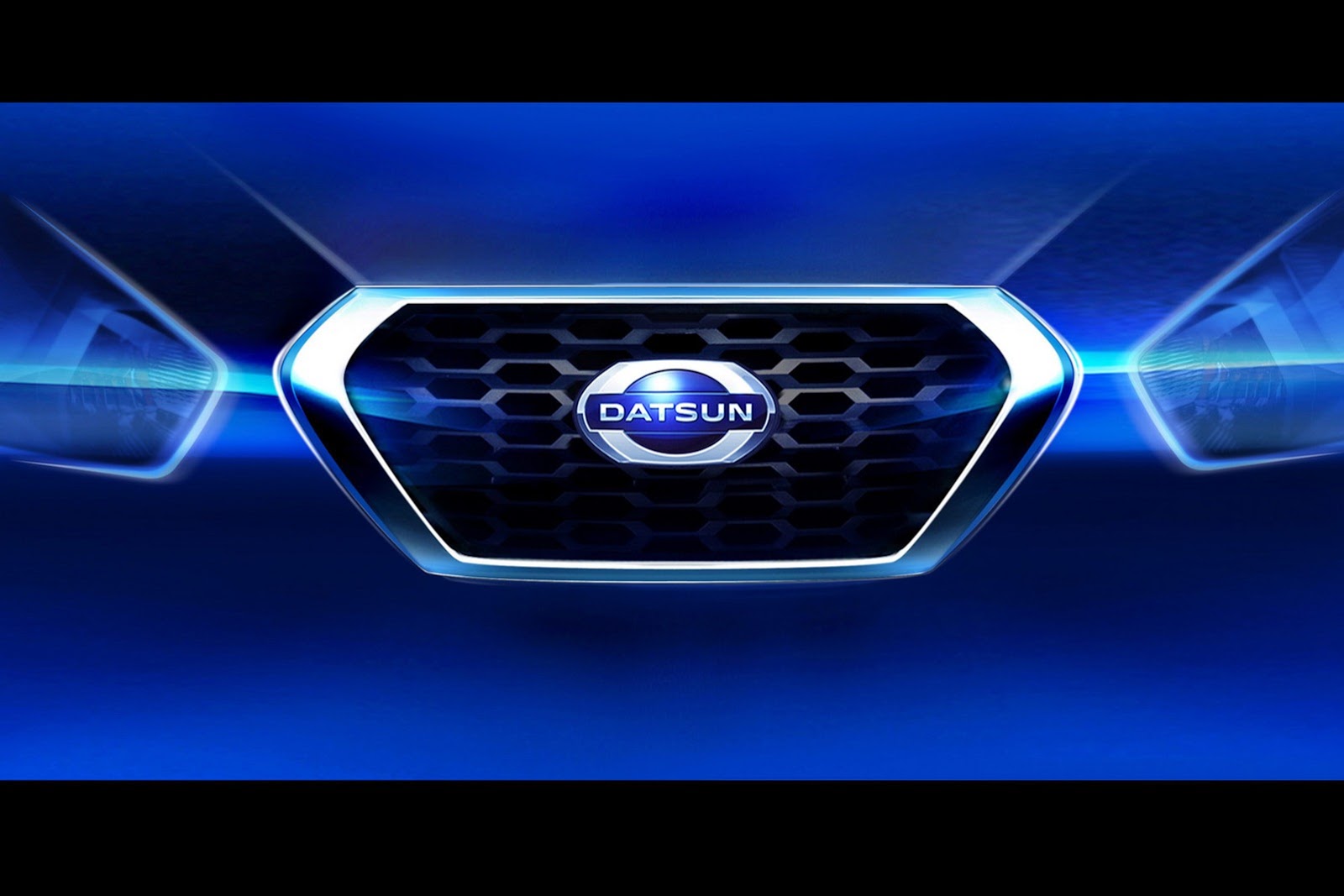
El «renacimiento» tendrá lugar el 15 de Julio de este año. En un evento en Nueva Delhi, en India, se verá el primer modelo de Datsun
Se espera que sea un compacto de 5 puertas, basado en el Lada Kalina. Los motores están siendo desarrollados por Lada en Rusia
El debút público tendrá lugar en 2014, lo producirá AutoVaz en Togliatti (Russia) y una fabrica indonesa. Se venderá en Rusia, Indonesia, India Africa del sur. Costaria entre 3000 y 5000 dolareshttp://www.leftlanenews.com/nissans-reborn-datsun-to-unveil-first-model-in-july.html


- Regístrate para participar en el debate, puedes iniciar sesión desde el menú superior derecho o registrándote desde el botón "Regístrate" en el final de la página.